Mastering the Long Game: The Data-Driven Guide to ACC Endurance Racing
acc-endurance-racing-strategy-guide
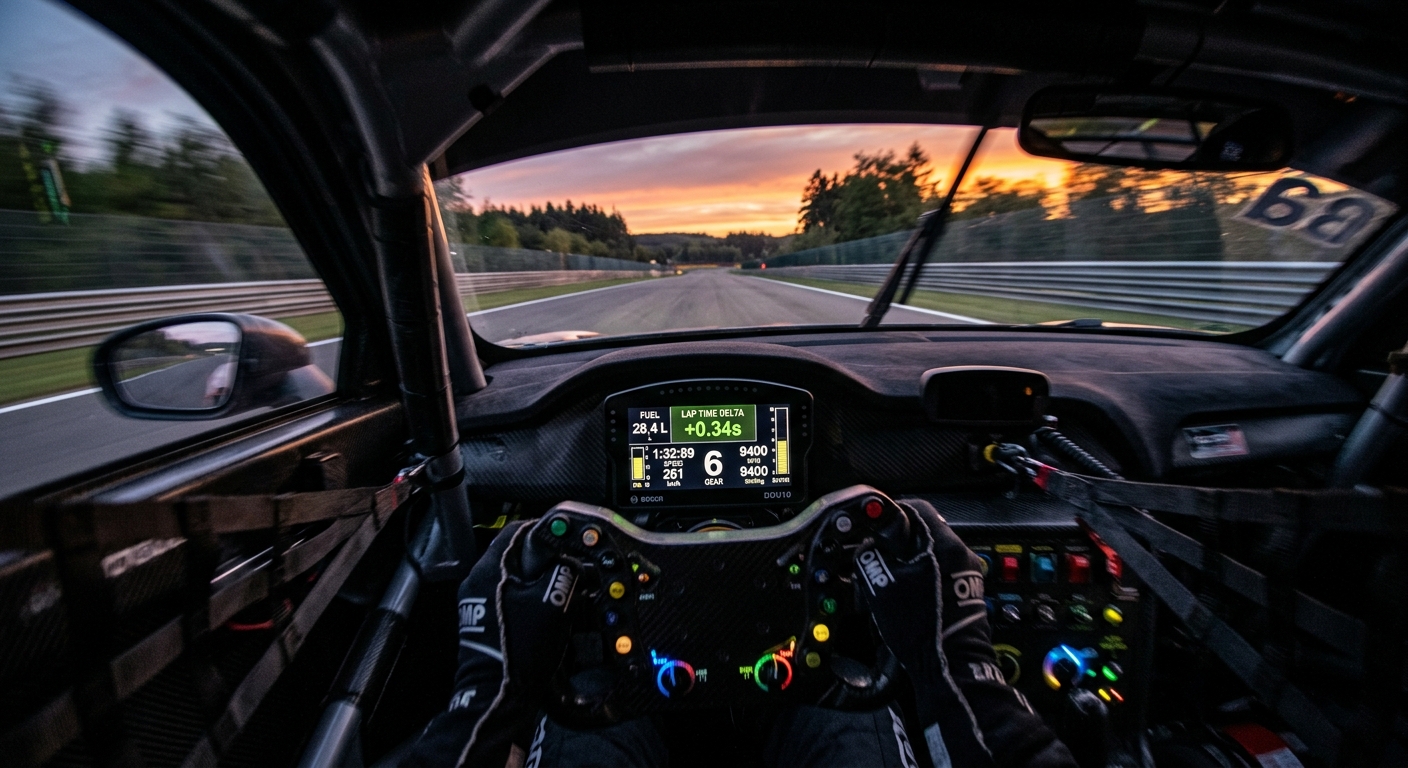
Transition from sprint races to endurance events with our data-driven guide on fuel BoP, tire management, and the mental resilience needed for long-distance racing success.
The Fuel Tank Mystery: Understanding Track-Specific BoP
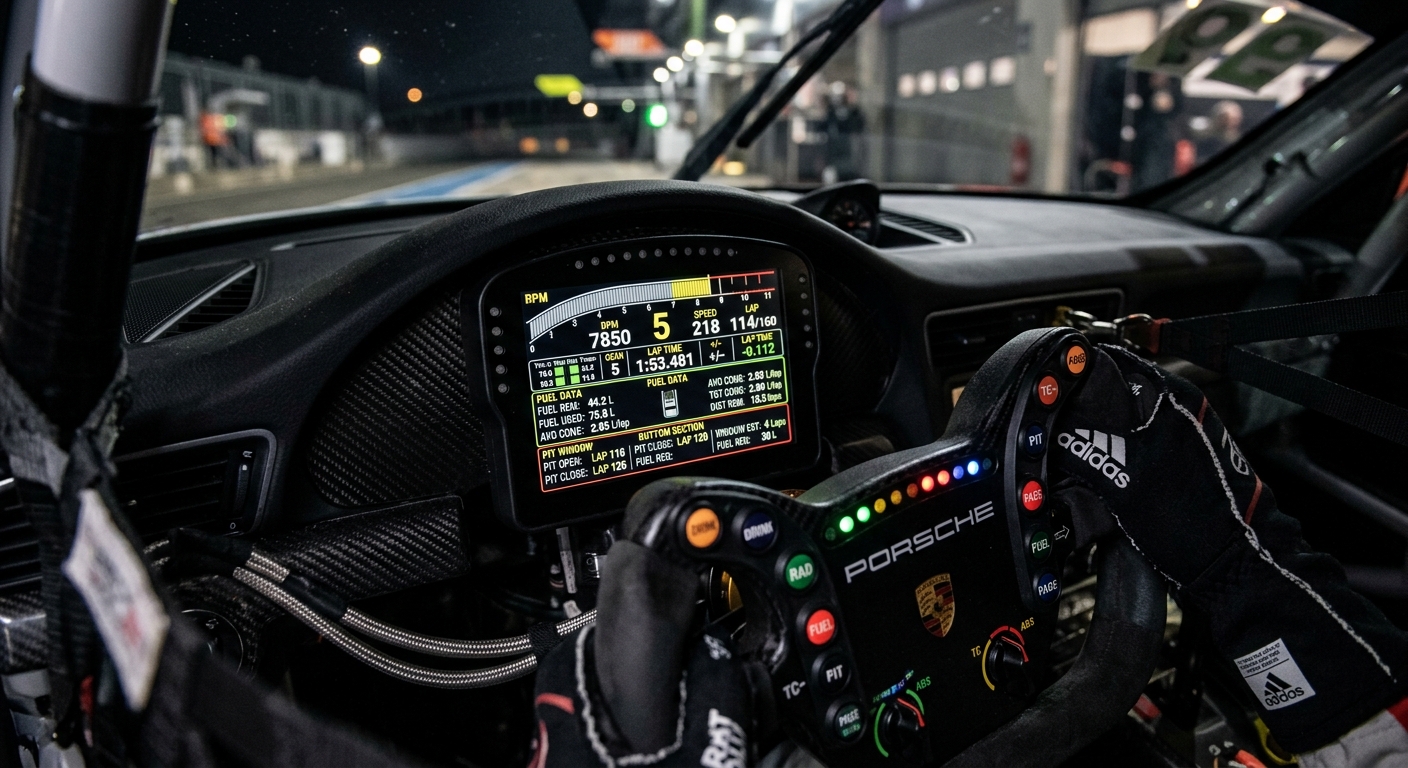
Endurance racing in ACC introduces specific challenges like track-based Balance of Performance (BoP) that impacts fuel capacity. For example, the Ferrari 296 GT3 at Indianapolis features a smaller fuel tank compared to other circuits. This quirk forces drivers to adapt their pit strategy and stint lengths. Using telemetry to monitor exact fuel burn per lap is the only way to ensure you don't run dry before the pit window opens. Drivers must study these variations before the race to avoid unexpected fuel shortages during their stint.
Consistency Over Raw Speed: Analyzing Your Lap Delta
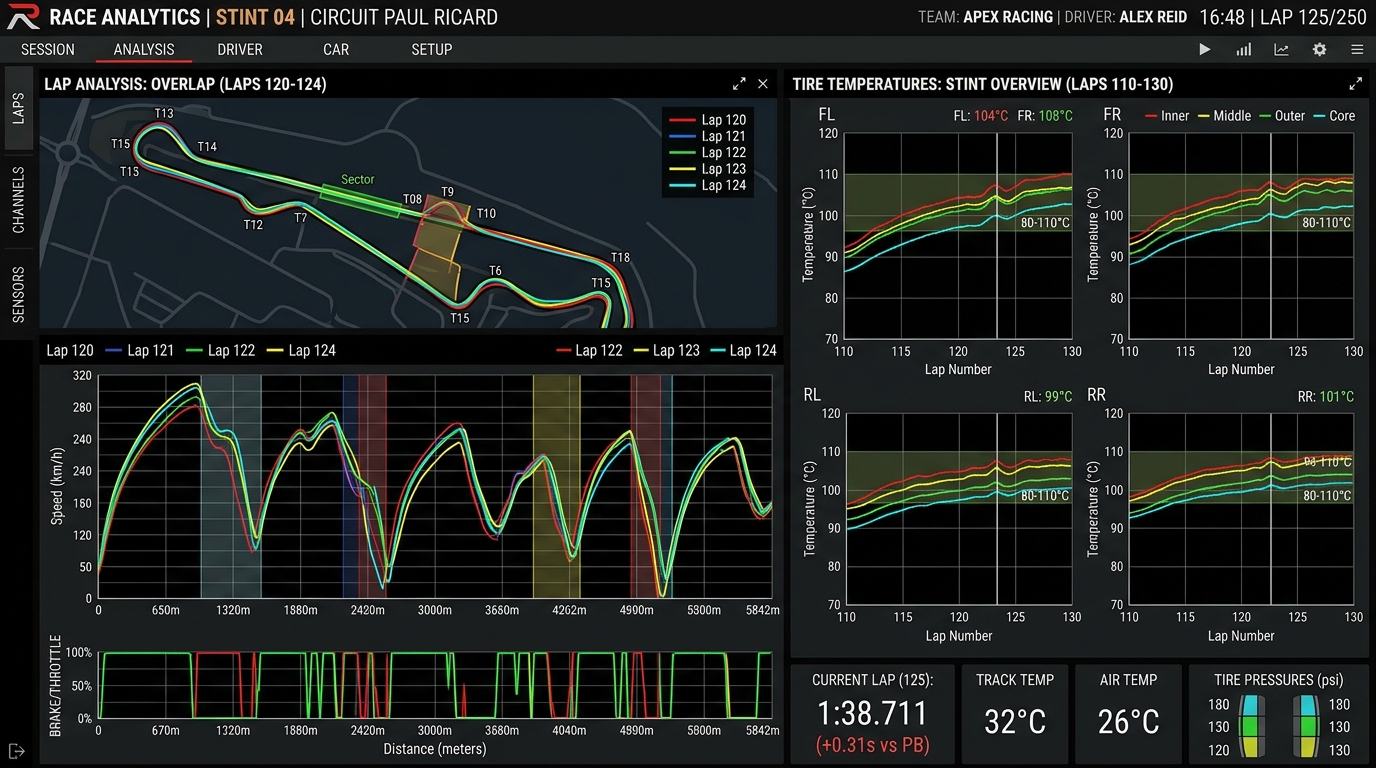
In a sprint, one fast lap can win a race, but in endurance, consistency is king. Data shows that the most successful drivers are those who can maintain a stable lap time delta over an entire hour. Use telemetry to analyze how your pace drops as tires wear down. By identifying the point of tire degradation, you can adjust your driving style to preserve rubber. A driver who is consistently half a second slower but stays on track will always beat a 'hot-lapper' who spins once due to over-aggressive tire wear.
FAQ
Why does the Ferrari 296 GT3 have a smaller fuel tank at Indy?
This is part of the SRO Balance of Performance (BoP) settings to ensure competitive parity between different car models on that specific track layout.
How can I calculate my exact fuel load for an endurance race?
Analyze your telemetry to find your average fuel consumption per lap, then multiply it by the total number of laps expected in your stint.
What is the most common cause of DNFs in endurance racing?
Mental fatigue leading to simple mistakes is the primary cause, followed closely by poor fuel management and aggressive tire wear.
How does finishing a long race affect my Safety Rating?
Finishing long races consistently increases your Trust and Safety Rating (SA), as you accumulate clean kilometers and demonstrate reliability.
Should I change tires at every pit stop in ACC?
Not always. Depending on the track temperature and your driving style, double-stinting tires can save significant time during the pit stop.
Master Your Consistency with RaceData AI
Ready to turn your data into trophies? Upload your long-stint telemetry to RaceData AI to analyze your lap-to-lap consistency and refine your fuel strategy for your next endurance event.