Stuck at 1:50 in Monza? 5 Data-Driven Secrets to Break the Intermediate Plateau in ACC
acc-monza-lap-guide-break-1-50
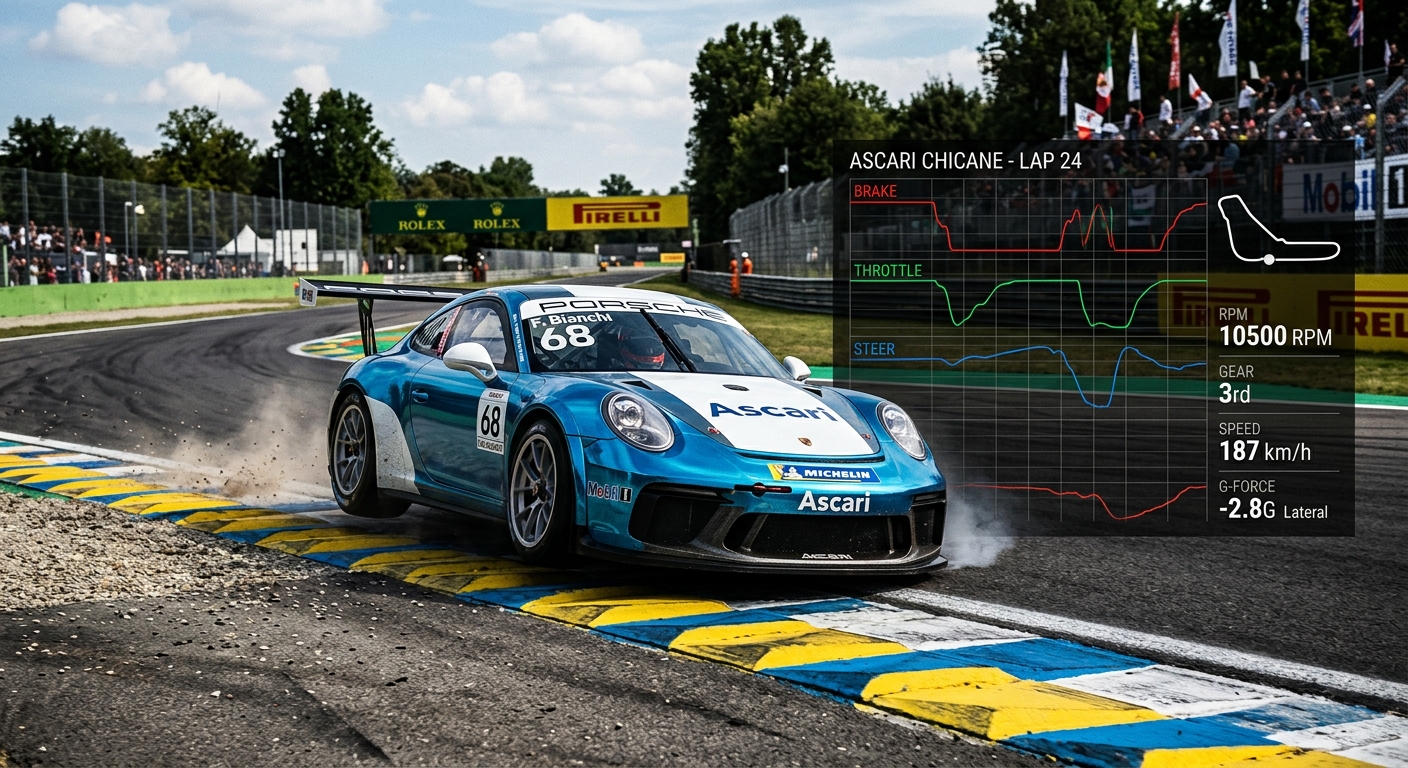
Stuck at a 1:50 lap time at Monza? Discover how telemetry analysis, braking pressure, and disabling stability control can help you reach the 1:47 competitive tier in ACC.
The 1:50 Trap: Why Monza is Deceptively Difficult
Many intermediate drivers find themselves trapped in the 1:50 to 1:52 range because they treat Monza as a series of straights connected by nuisances. In reality, Monza is a track of extreme longitudinal transitions. The '1:50 Trap' usually stems from over-driving—carrying too much speed into the Prima Variante or the Seconda Variante. This results in a poor platform for the car, leading to scrubbed speed and a delayed throttle application. When you analyze telemetry, the time lost isn't usually in the braking zone itself, but in the three seconds following the apex where momentum is stalled.
Braking Zones and Assists: The Impact of Stability Control
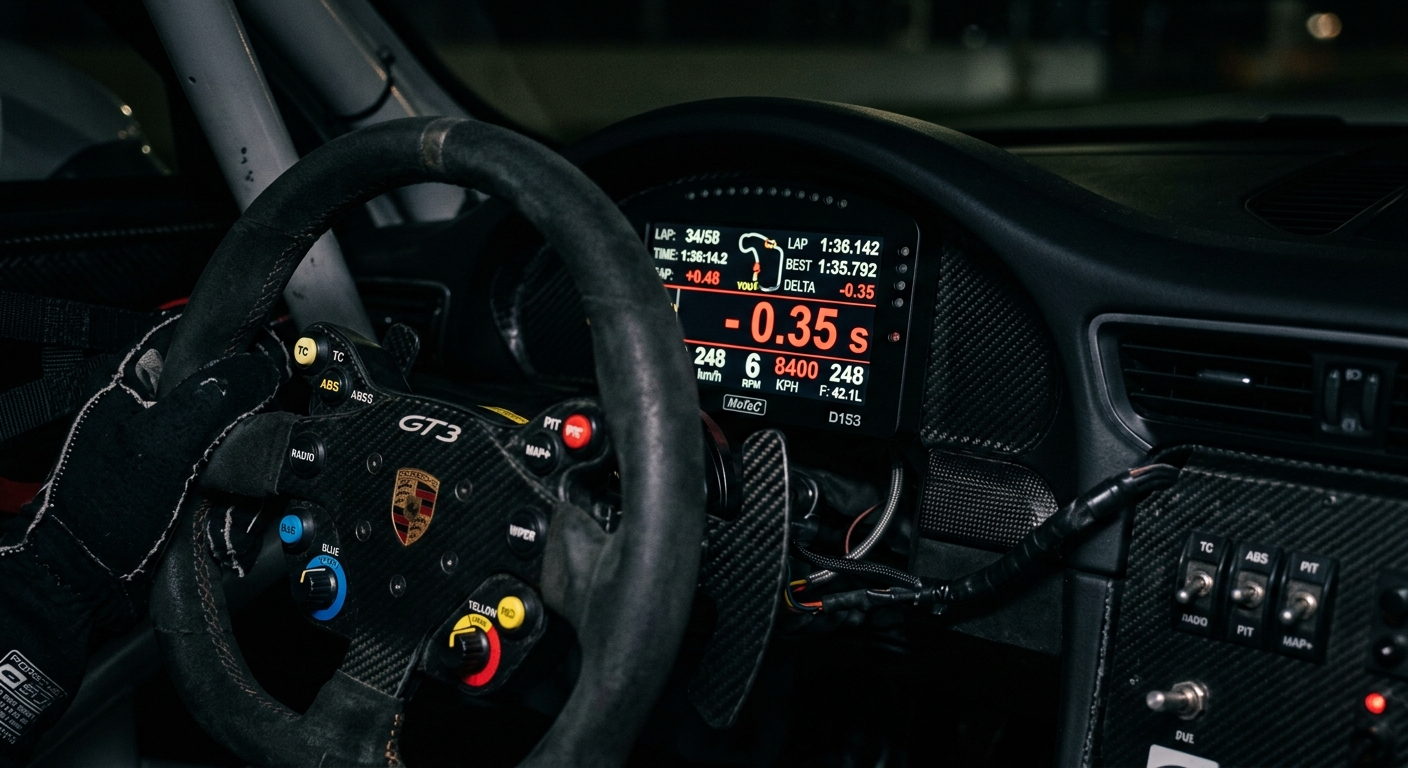
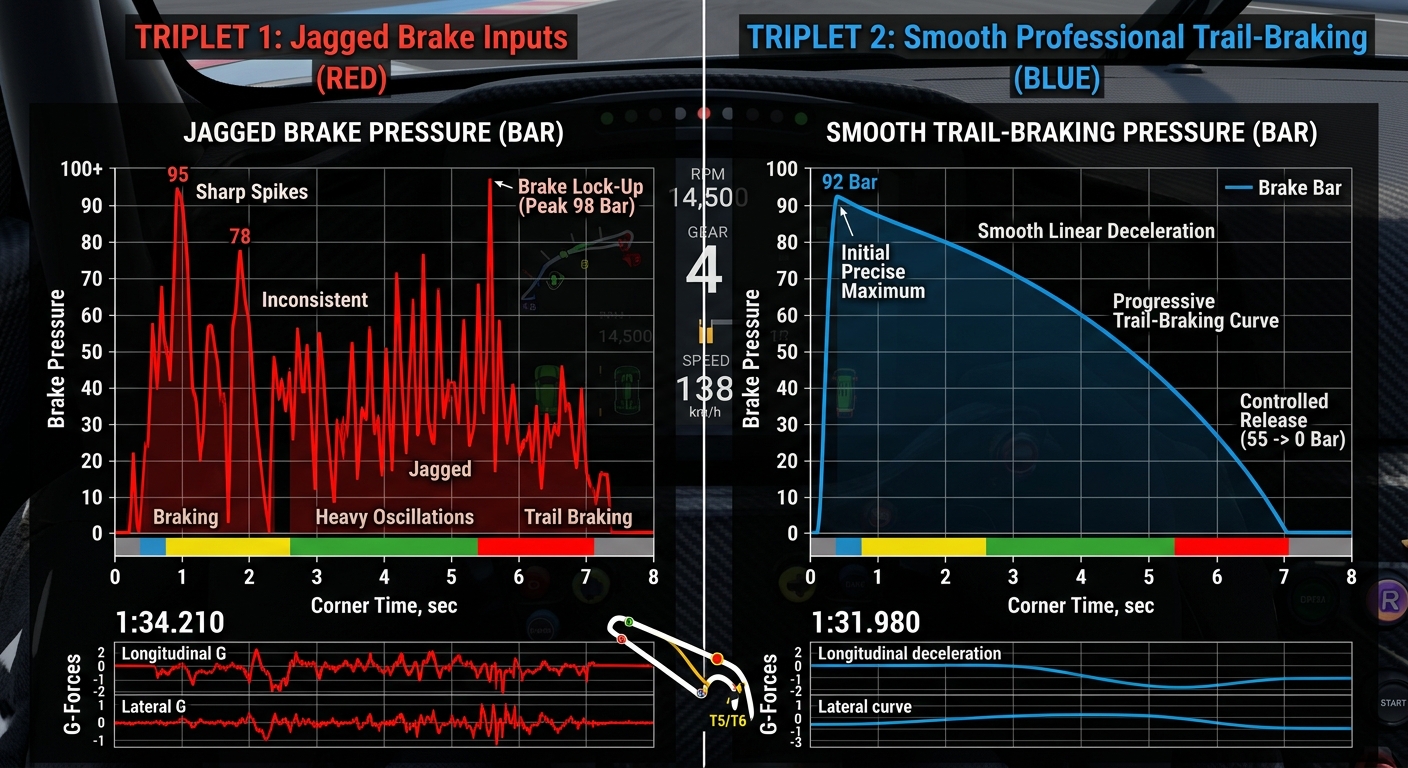
The Rettifilo Chicane is the ultimate test of braking telemetry. A common mistake among intermediate drivers is the over-reliance on stability control, often set at 10 percent. While this feels safer, data shows it significantly hampers the car's ability to rotate during the transition from brake release to throttle. By moving to 0 percent stability control, you allow the car to rotate naturally, reducing understeer. Furthermore, professional-grade lap times require peak braking pressure followed by a smooth trail braking phase to keep the nose pinned while navigating the tight right-left transition.
Ascari and Roggia: Where Telemetry Wins Over Instinct
The Ascari chicane is where the bravest drivers find time, but it is also where instinct can lead you astray. Success here depends on curb physics and suspension recovery. Telemetry analysis often shows that 1:50 drivers are too aggressive on the initial turn-in, causing the car to bounce and lose traction for the final exit. By smoothing out steering inputs and balancing aero drag with mechanical grip, you can maximize speed through Curva Grande and the following straights. Optimizing your exit speed here is worth more than a late-braking maneuver into any other corner on the track.
FAQ
Why is 10% stability control slowing me down?
Stability control uses the brakes to counteract rotation. This prevents the car from 'pointing' toward the exit early, forcing you to stay on the steering wheel longer and delaying throttle application.
What is the best braking point for Turn 1 at Monza?
For most GT3 cars, the 150m board is the standard reference. However, a 1:47 lap usually requires braking slightly later with a very aggressive initial pressure followed by precise trail braking.
How do I stop the car from bouncing at Ascari?
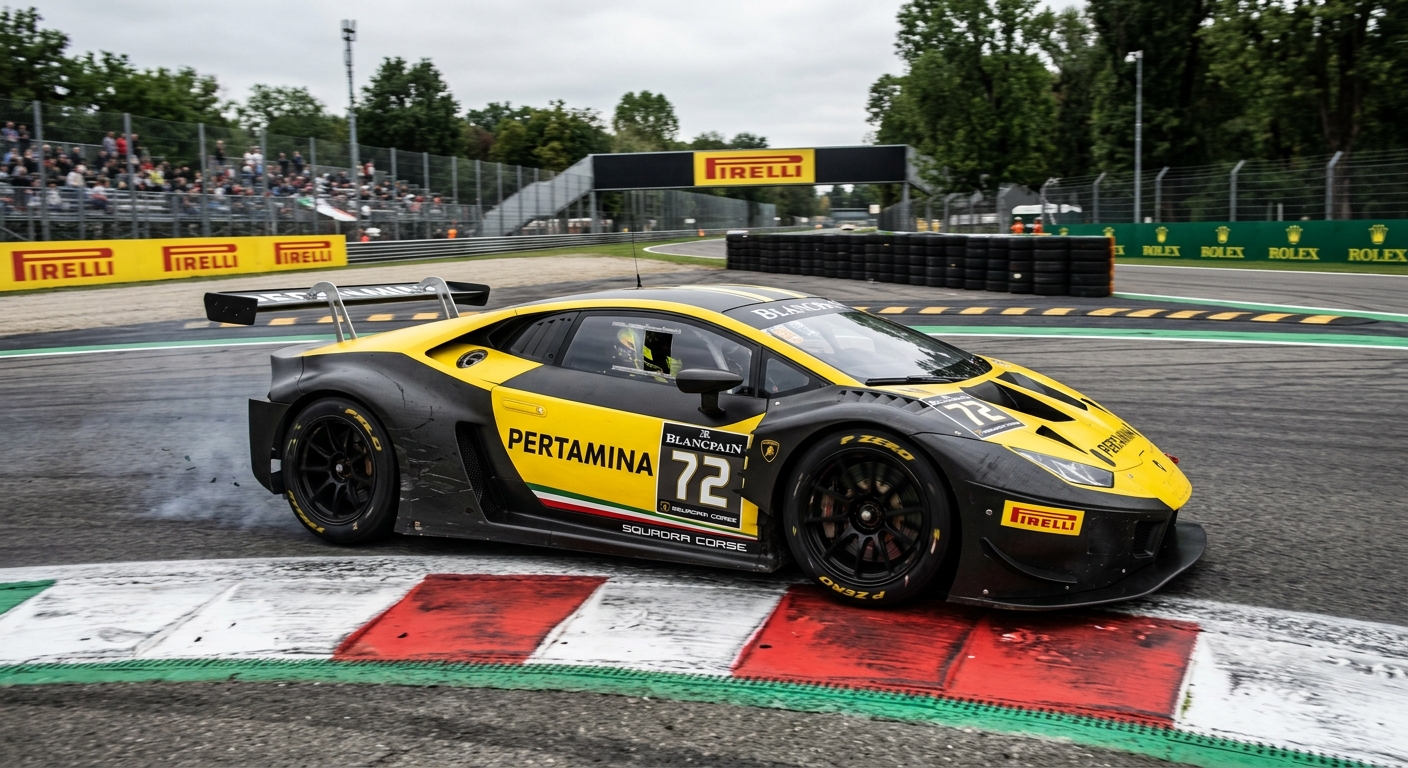
Focus on your damper settings and ensure you are not hitting the tallest part of the yellow 'sausage' curbs, which upsets the car's aerodynamic platform.
How much time can I save with telemetry?
Drivers stuck at 1:50 often find 1 to 1.5 seconds purely by identifying where they are over-braking or applying throttle too late compared to a reference lap.
Is exit speed or entry speed more important at Monza?
Exit speed is paramount. Because Monza features such long straights, a 2 km/h advantage at the exit of a chicane compounds into several tenths of a second by the end of the straight.
Break Your Plateau with RaceData AI
Stop wondering why you are stuck at 1:50. Upload your latest Monza lap to the RaceData AI telemetry tool and compare your inputs directly against a 1:47 reference lap. Identify the exact 'delta' loss in your braking and throttle traces to unlock your true potential today.