Beyond the Divebomb: A Data-Driven Guide to Clean Overtaking in ACC
acc-overtaking-guide-clean-racecraft
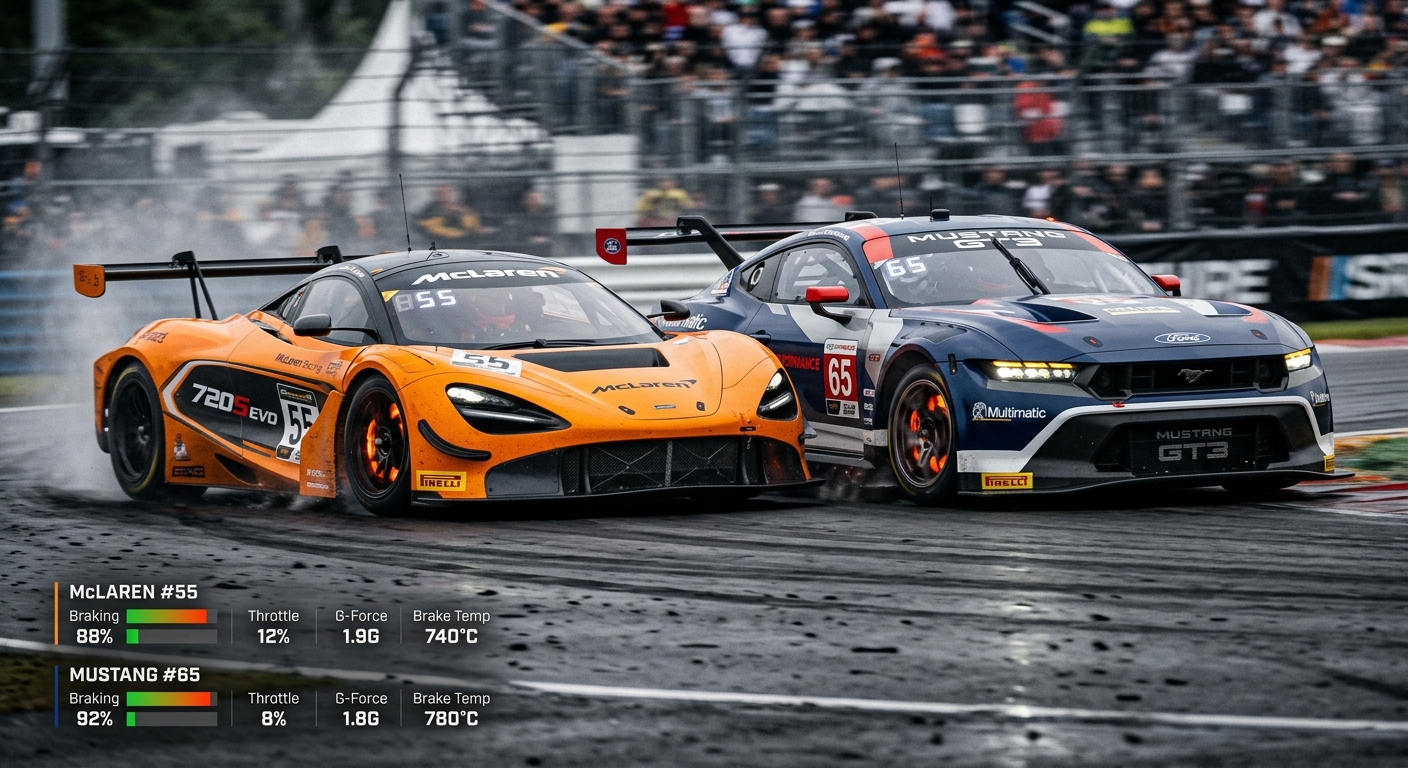
Stop losing safety rating and crashing out. Learn how to use telemetry and proper racing lines to execute clean, professional passes in Assetto Corsa Competizione.
The Psychology of the Overtake: Why Fast Drivers Fail to Pass
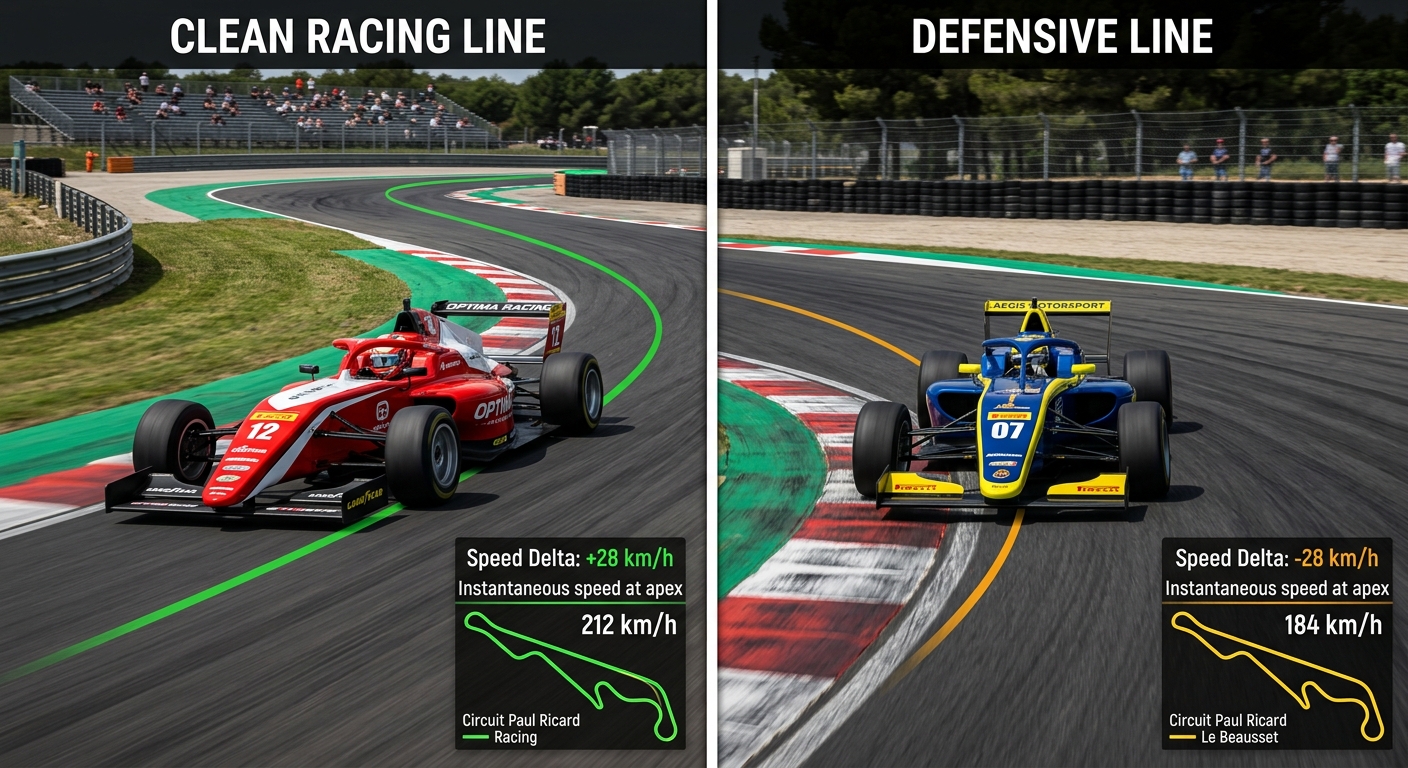
Many drivers who excel in qualifying struggle in race conditions because they treat an overtake as a test of braking depth rather than a calculation of speed deltas. When you are faster than the car ahead, the instinct is to lung into the first available gap. However, racing intelligence requires looking at telemetry to see where your minimum corner speed is higher. If you can carry 5km/h more through a mid-corner section, you don't need a risky dive; you need a better exit. Understanding that the pass starts three corners before the actual move is the hallmark of a high-SA driver.
The Vortex of Danger and Proper Braking Markers
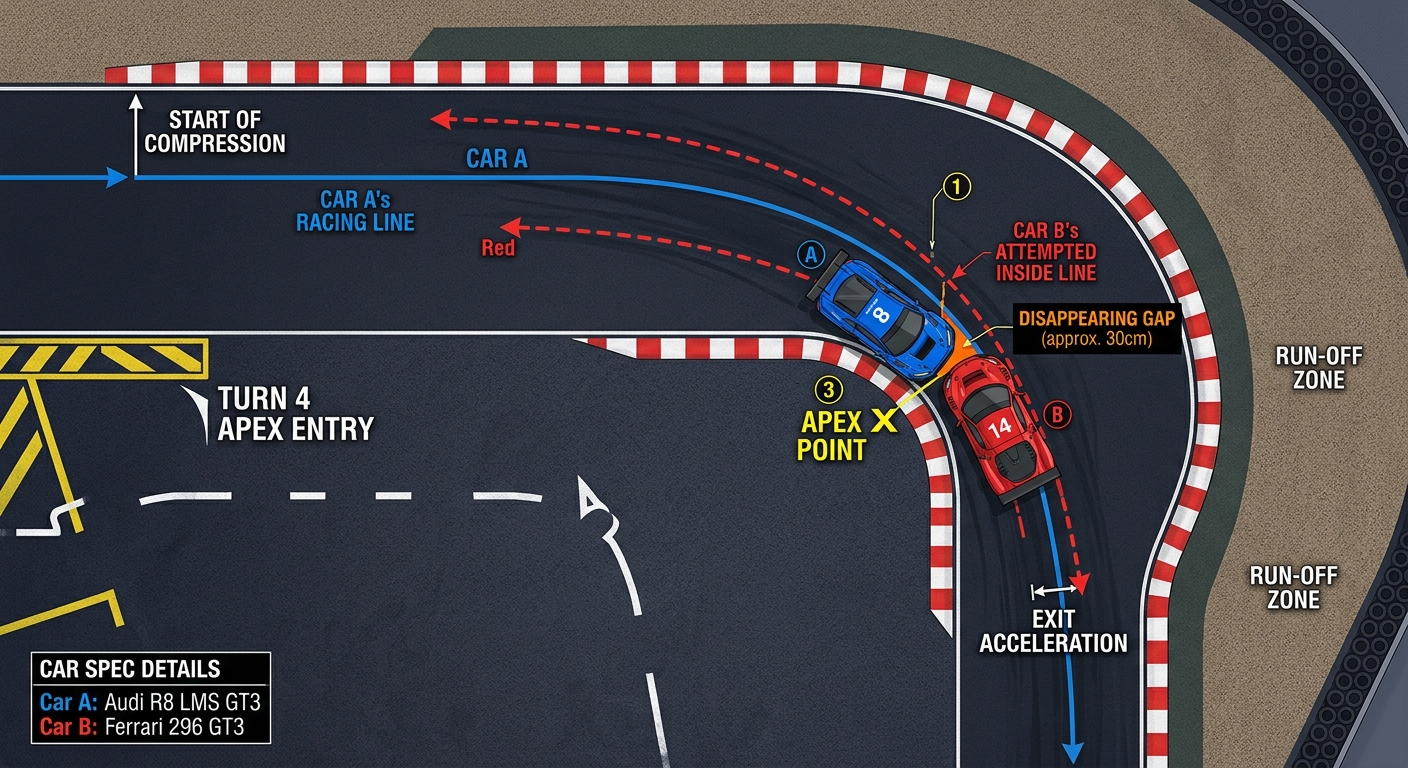
The Vortex of Danger is the space that a leading car will naturally close as they turn toward the apex. Entering this gap late in the braking zone is the primary cause of collisions in ACC. To avoid this, you must adjust your braking markers when following. You cannot use your qualifying markers when a car is ahead of you; the lack of clean air and the lead car's earlier braking point will result in a collision. Braking 5-10 meters earlier but with slightly less initial pressure allows you to react to the car ahead while positioning yourself for a 'switchback' maneuver.
FAQ
What is the Vortex of Danger in sim racing?
It is the area on the inside of a corner that a leading car will naturally close as they move toward the apex, often leading to contact if a following driver tries to 'stick their nose in' too late.
How do I stop crashing into the back of cars during braking?
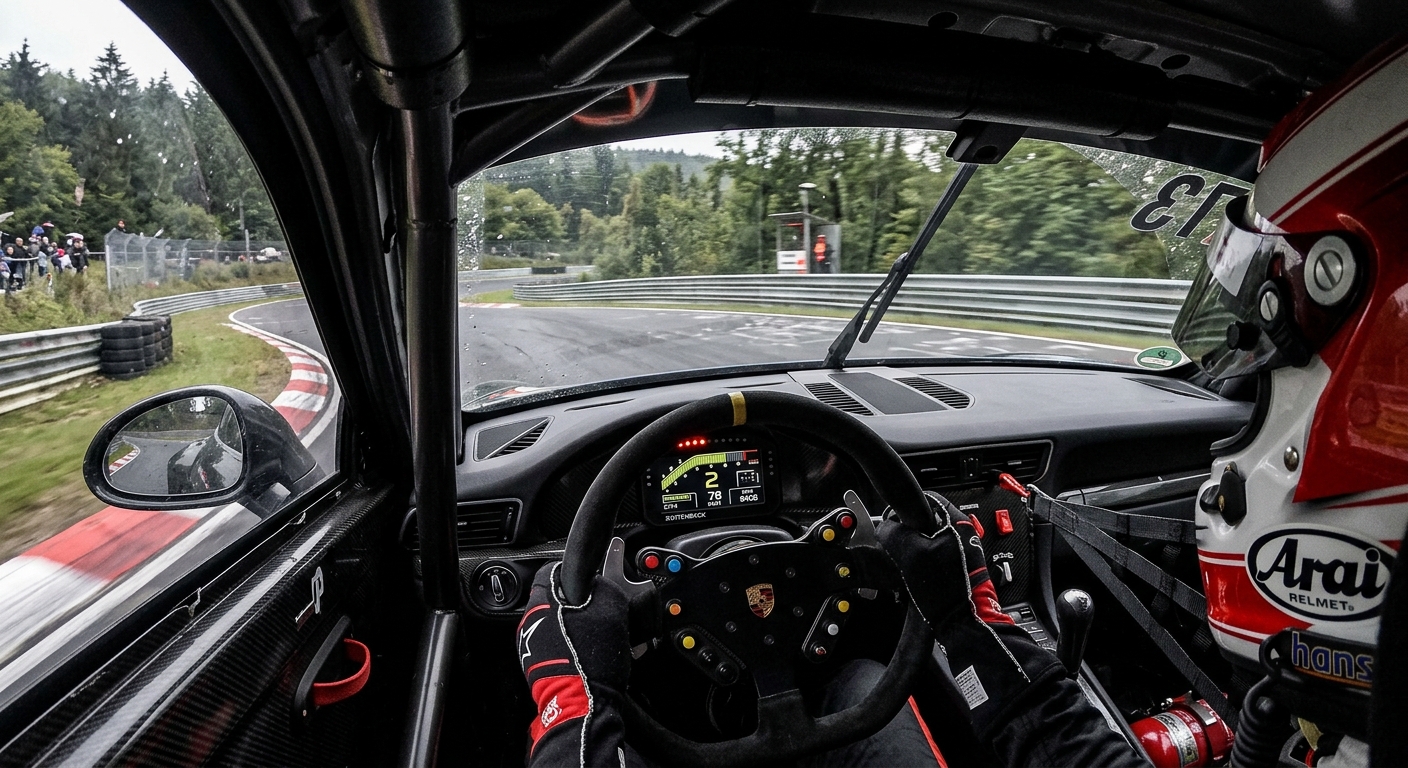
Brake 10 meters earlier than your usual marker when following closely. This gives you a buffer to react to the lead car's braking point and helps you avoid 'tunnel vision' on their rear bumper.
Does contact always lower my Safety Rating (SA)?
Yes, Assetto Corsa Competizione’s SA system tracks 'Trust' versus 'OBWP' (Online Behavioral Warning Points). Even if a crash isn't entirely your fault, the contact itself reduces your potential SA gains.
What is a switchback maneuver?
A switchback (or over-under) is when you take a wider entry and a tighter exit, crossing under the lead car's line as they run wide, allowing you to overtake them using superior exit acceleration.
How can telemetry help me overtake?
By comparing your following laps to your clean-air laps, you can identify where you are losing composure or over-braking, allowing you to refine your approach for more consistent pressure.
Master Your Racecraft with RaceData AI
Ready to stop divebombing and start winning? Use RaceData AI to analyze your telemetry and compare your performance in traffic versus clean air. Identify exactly where your speed deltas are and start making surgical, data-driven passes today.