Is Your Mod List Killing Your Lap Times? The Assetto Corsa Guide to Accurate Physics and Setup
assetto-corsa-physics-mod-quality-calibration-guide
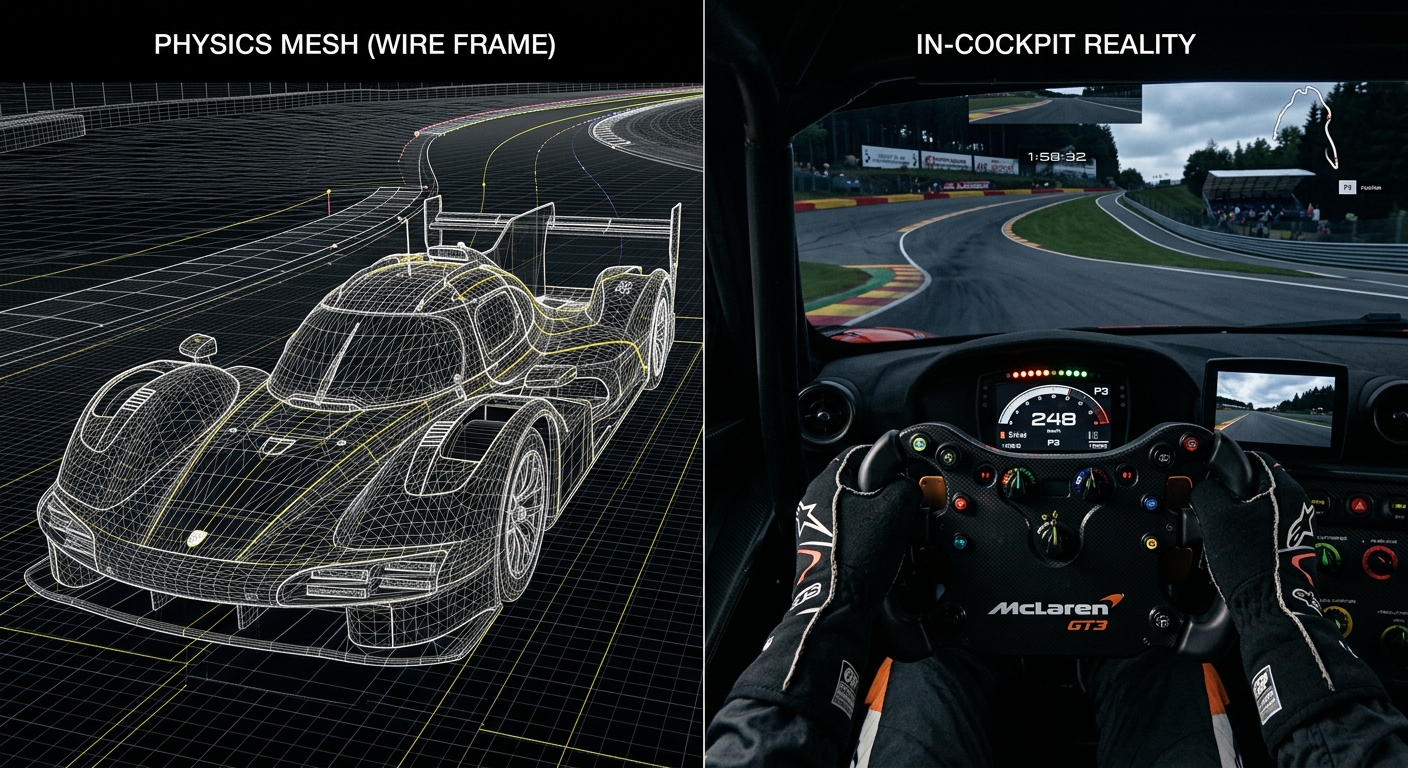
Learn why high-quality physics mods and 1:1 hardware calibration are essential for driver improvement and accurate telemetry analysis in Assetto Corsa.
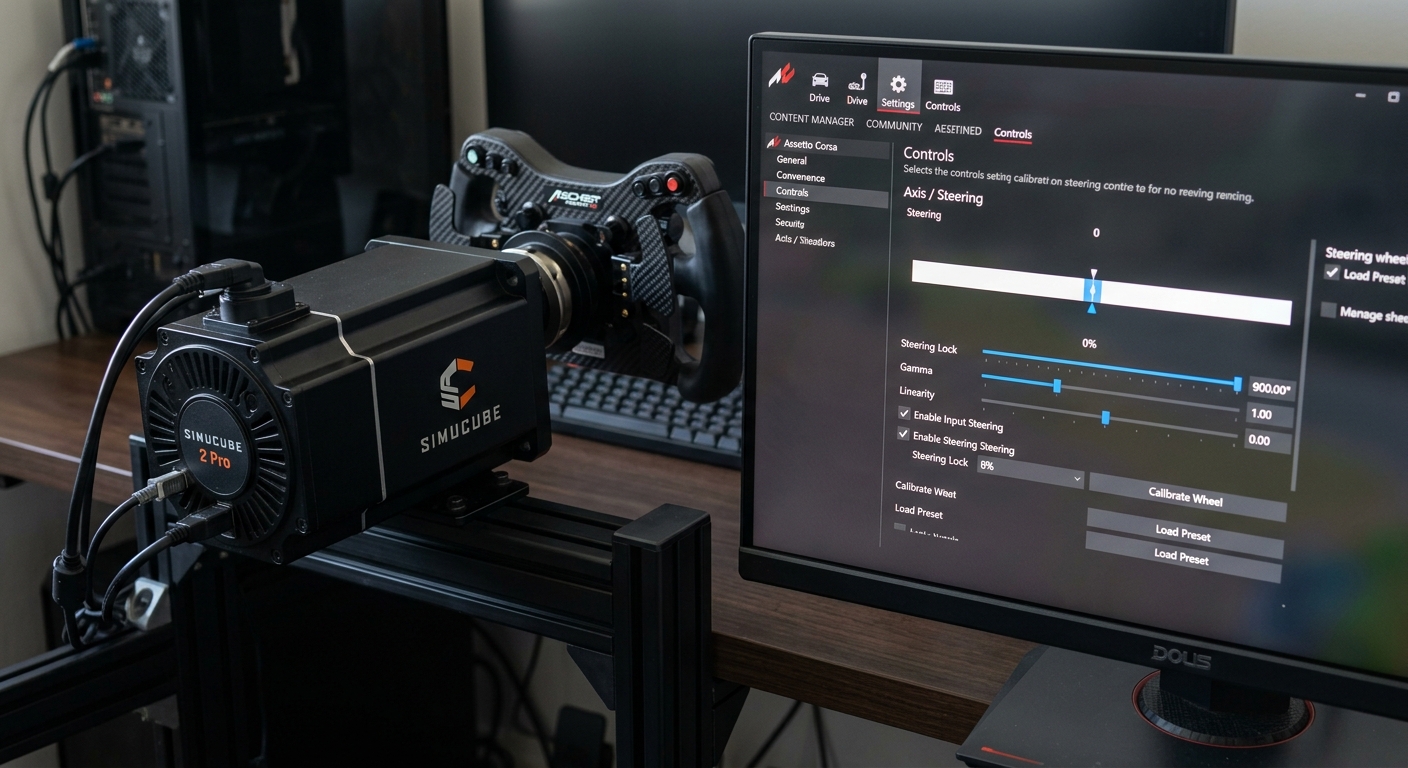
The Foundation of Consistency: Calibrating Your Steering Wheel for 1:1 Input
Muscle memory is built on the relationship between your physical input and the car's response. If your steering wheel is set to 900 degrees of rotation while the car uses 540, your feedback loop is fundamentally broken. Achieving a 1:1 ratio ensures that every degree of movement translates accurately to the tires. Without this synchronization, you cannot develop the precise cornering habits required for competitive racing. Proper hardware calibration in Content Manager is the first step toward generating reliable data that matches real-world vehicle dynamics.
Visuals vs. Physics: Why Pretty Mods Can Ruin Your Development
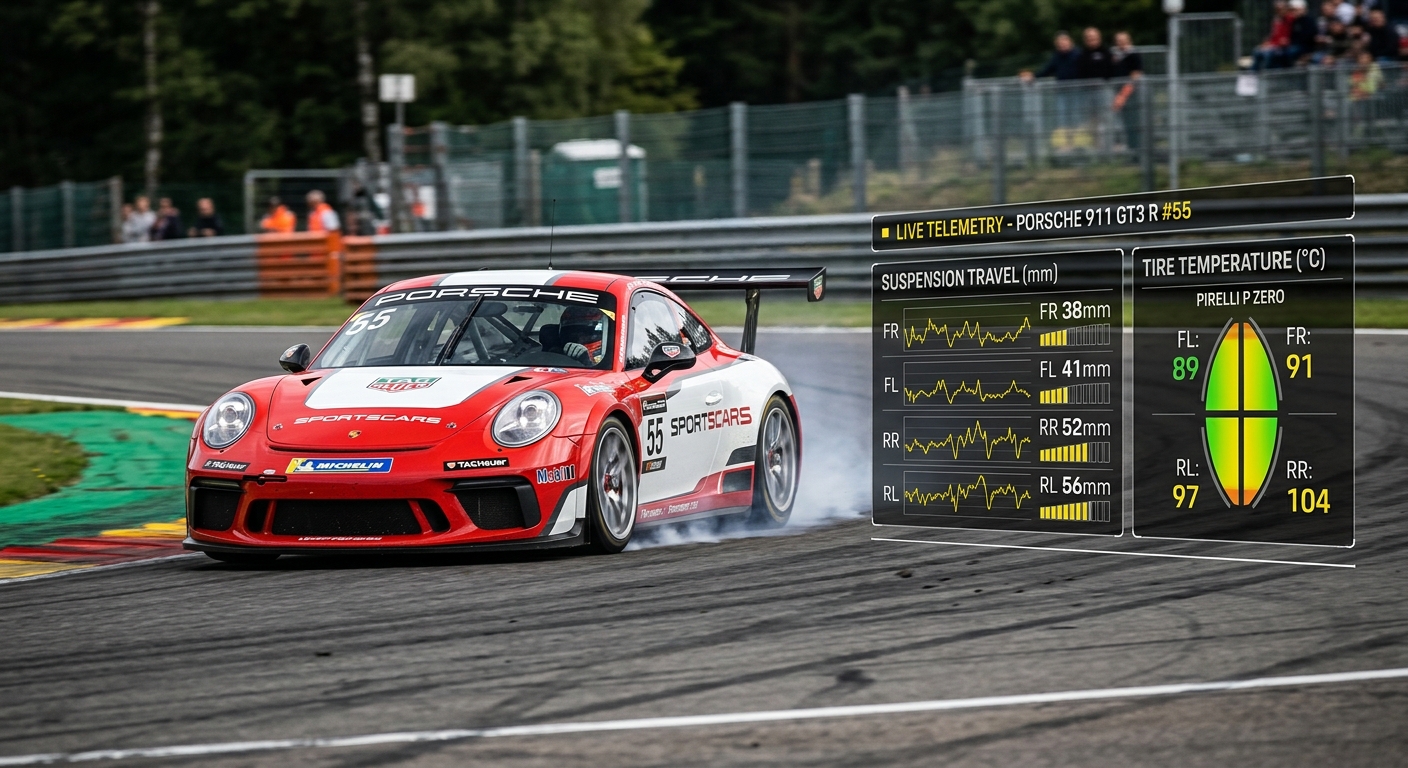
It is easy to be distracted by high-resolution textures and custom engine sounds, but many mods prioritize appearance over suspension geometry and tire slip curves. When you drive a car with broken physics, your telemetry data becomes useless. You might encounter unrealistic grip levels or strange braking distances that do not translate to other vehicles. Sticking to high-quality mods or vanilla Kunos cars ensures you are learning transferable skills rather than fighting a flawed simulation model that provides misleading performance feedback.
The Vanilla Benchmark: Why Kunos Cars and Quality Mods Matter
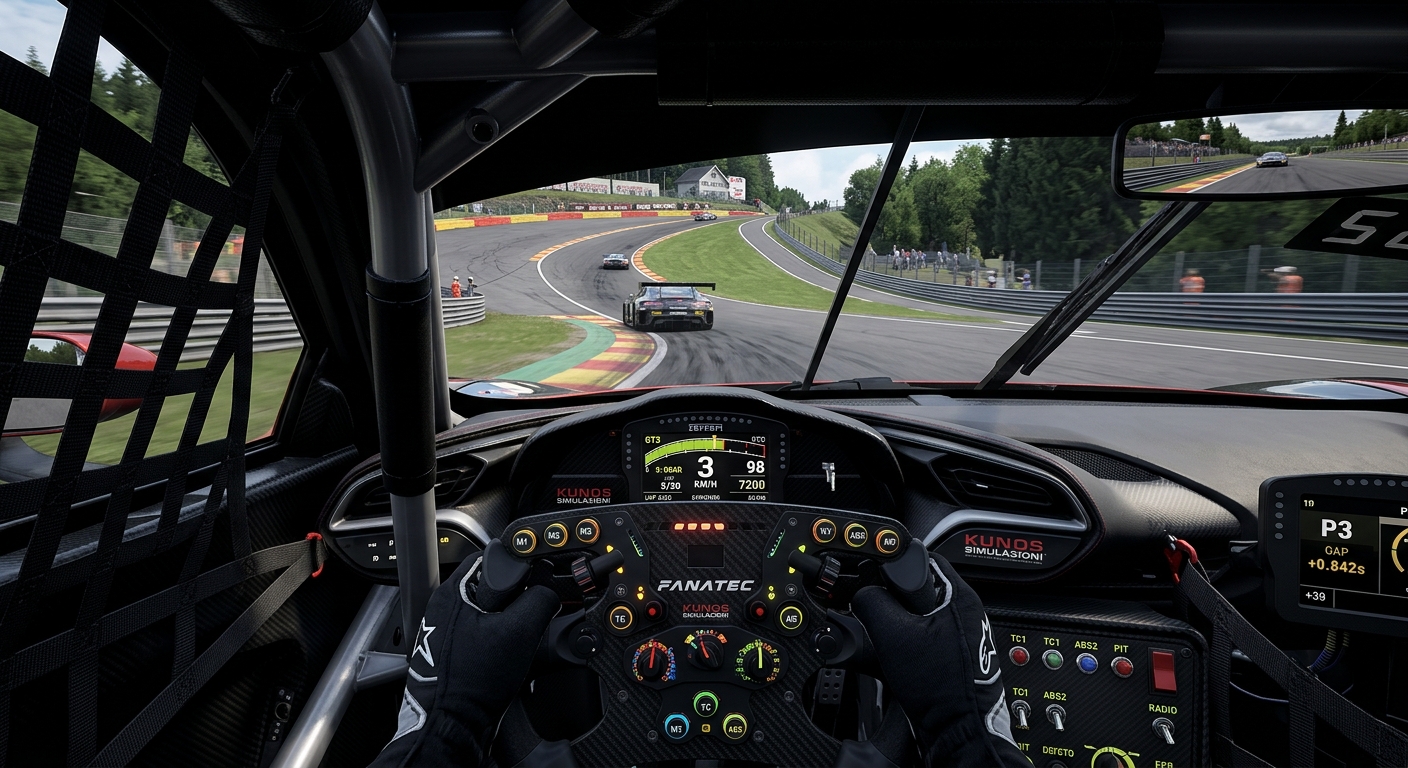
Kunos Simulazioni developed the original Assetto Corsa cars with specific physics parameters designed to provide consistent feedback. These vehicles serve as the benchmark for any driver looking to improve. When vetting new mods, look for creators who utilize the latest Custom Shaders Patch features and provide documented physics data. Using reliable cars allows you to analyze your braking points and weight transfer with confidence. If the underlying data is clean, your progress will be measurable, consistent, and real.
FAQ
Why is 1:1 steering rotation important for sim racing?
It ensures your physical movement matches the in-game steering rack, allowing for accurate muscle memory and precise car control during high-speed maneuvers.
Are all Assetto Corsa mods bad for driver training?
No, but many focus on visuals over physics. Seek out reputable creators who prioritize accurate suspension, aerodynamics, and tire slip data.
How do I know if a car mod has poor physics?
Look for erratic handling behavior, unrealistic grip levels, or a lack of detailed force feedback that makes the car feel disconnected from the road.
Why should beginners start with vanilla Assetto Corsa cars?
Vanilla cars are the standard benchmark for the sim, providing a reliable and balanced physics model for skill assessment and telemetry comparison.
Does Content Manager improve the driving feel of mods?
Content Manager and CSP can improve feedback through better FFB processing and physics extensions, but they cannot fix a car with a fundamentally broken physics model.
Establish Your Performance Baseline
Before diving into unverified modded content, upload your telemetry from a vanilla car session to RaceData AI. Establish an accurate baseline of your current skill level and see exactly where the data says you can improve today.