Beyond the Surface: How to Relearn Road America and Mid-Ohio Using Telemetry
beyond-surface-relearning-iracing-tracks-telemetry
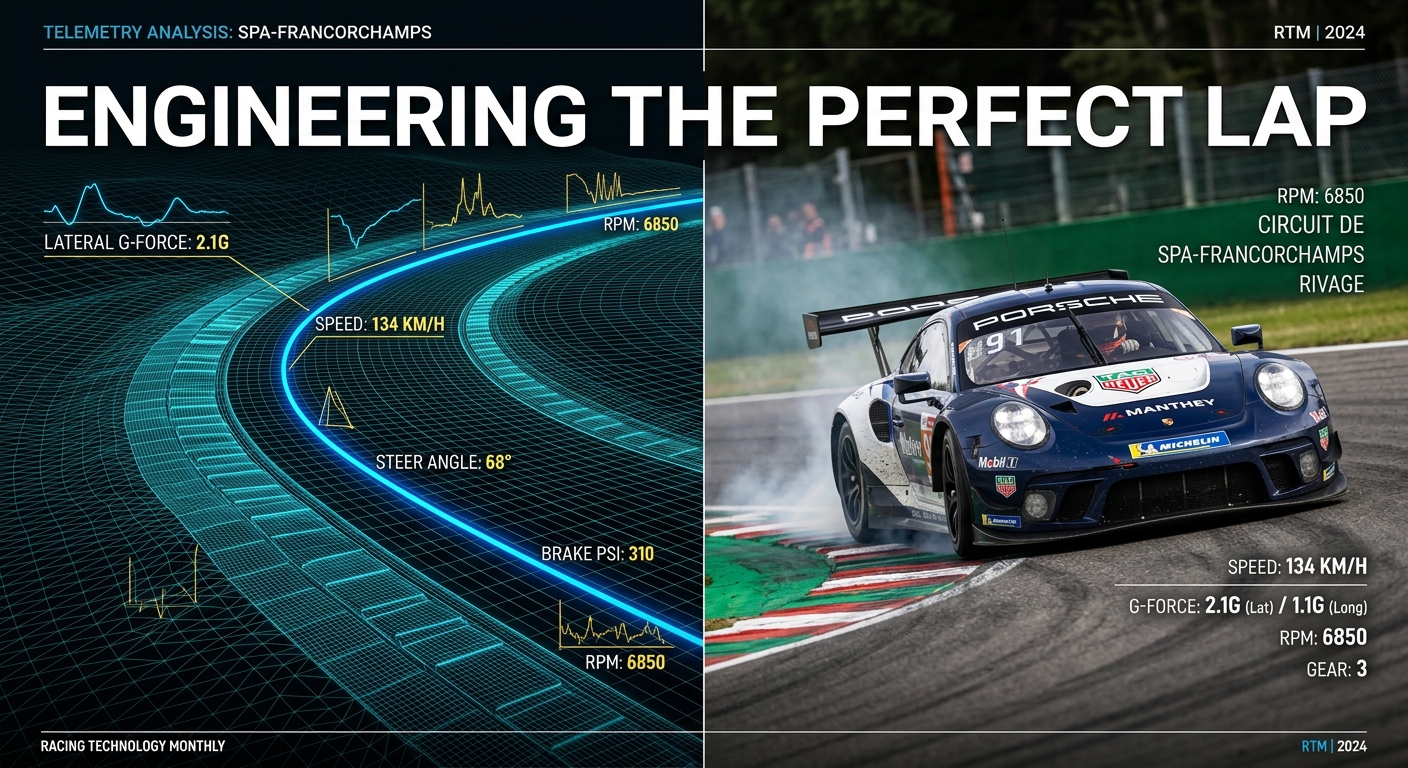
When iRacing updates a track scan, your old reference points become obsolete. Discover how to use telemetry to master new track geometry and curb physics efficiently.
The Physics of a Re-Scan: Why Your Old Braking Markers Won't Work
New laser scans capture the current state of a track with millimeter precision, including every bump, dip, and patch of new asphalt. This means that a braking marker you have used for years, such as a specific patch of grass or a distance board, might have physically shifted relative to the racing line. More importantly, changes in track camber and surface grip levels alter how the car decelerates. When you first hit a re-scanned track, your telemetry will likely show a discrepancy in longitudinal G-forces. If the new surface is flatter or has different crown geometry, your braking zones may need to be extended or shortened. Using telemetry to compare your braking pressure and deceleration rates against your old personal bests will highlight where the car is behaving differently under load.
Curb Management: How New Geometry Changes Your Racing Line
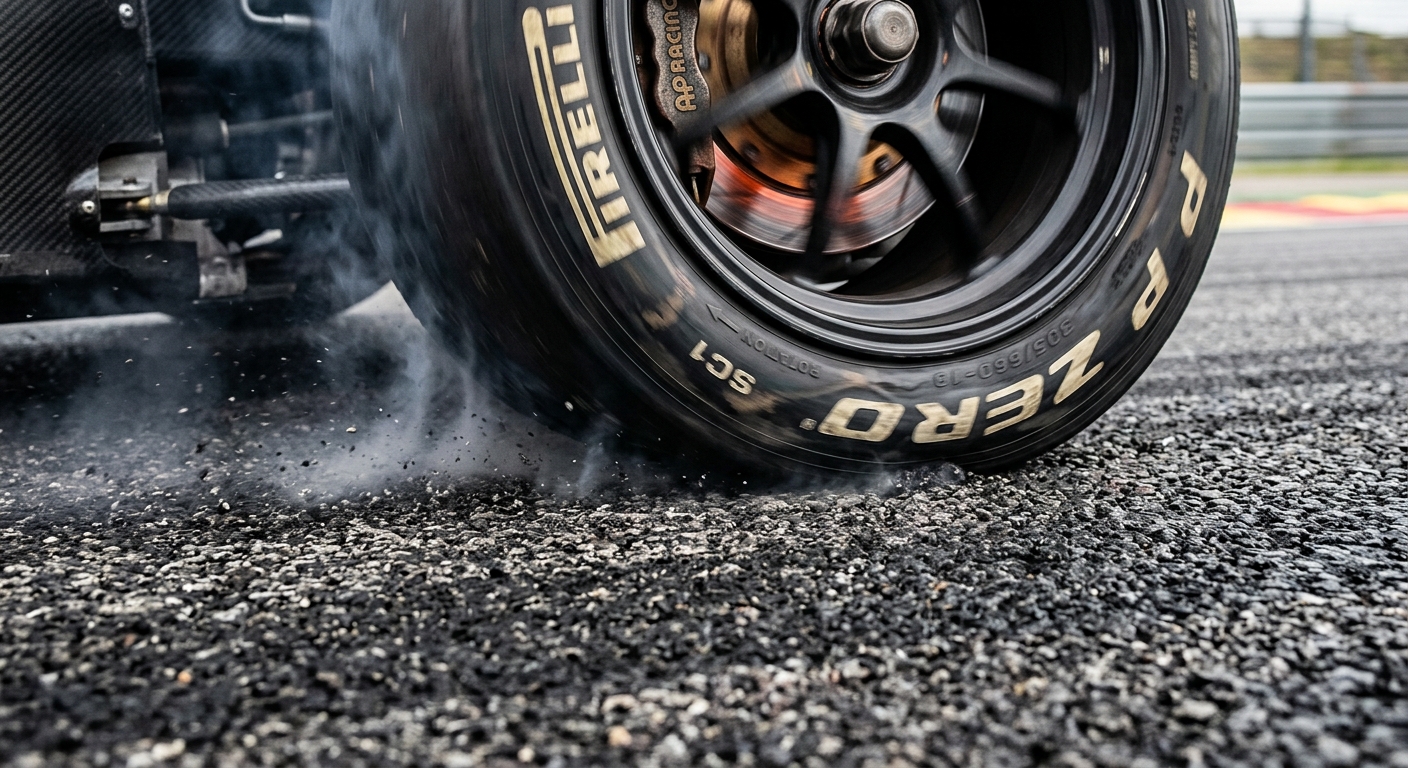
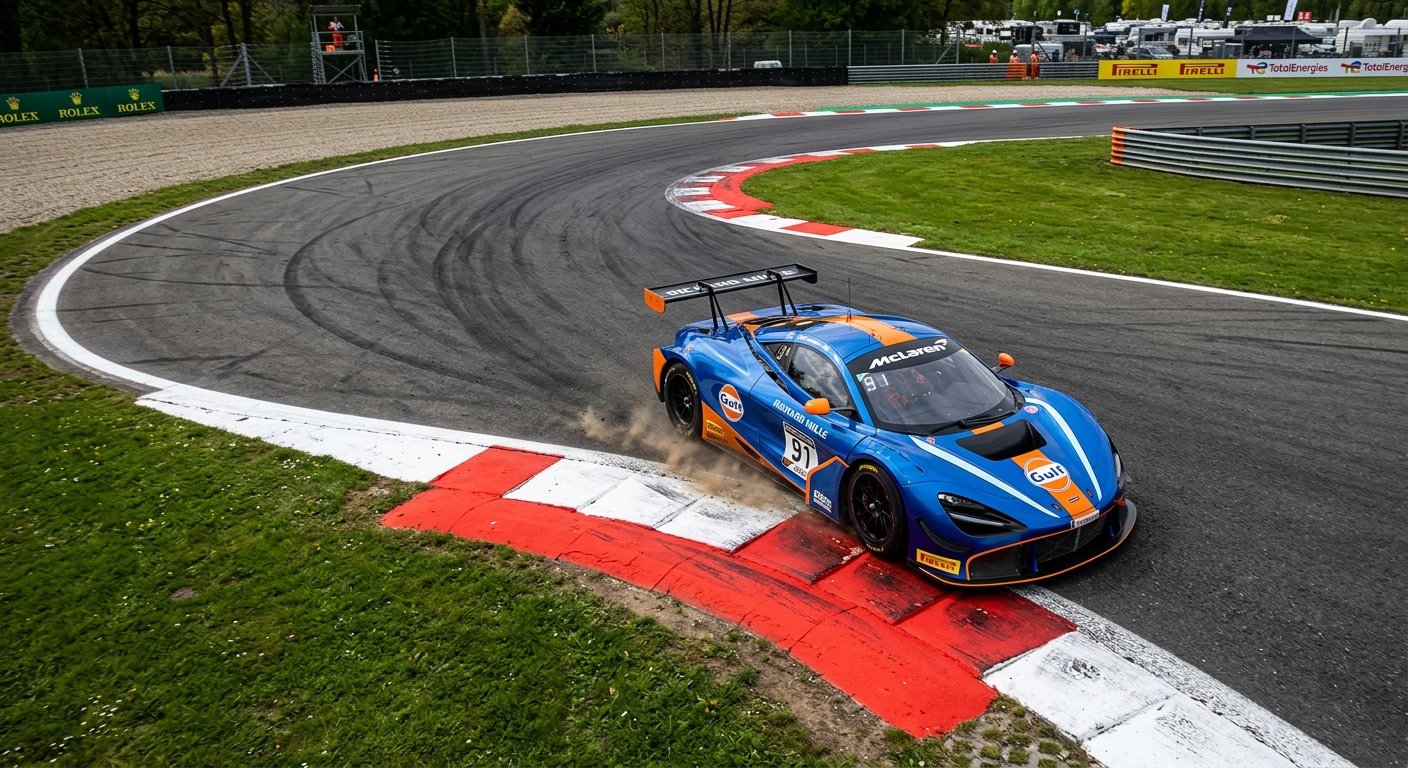
One of the most dramatic changes in recent iRacing updates is the overhaul of curb profiles. Legacy scans often used simplified geometry that allowed drivers to be more aggressive with curb strikes. The new scans of Road America and Mid-Ohio feature high-fidelity curb modeling that can easily upset a car's balance if hit with the same intensity as before. Analyzing your suspension travel and damper velocity data is crucial here. If you see massive spikes in vertical load that lead to a loss of tire contact, the new geometry is telling you to adjust your line. You may need to sacrifice a wider entry to avoid a destabilizing curb or find a new 'hook' point that allows you to rotate the car without launching it into the air.
Analyzing the Data: Comparing Telemetry Signatures and Resetting Reference Points
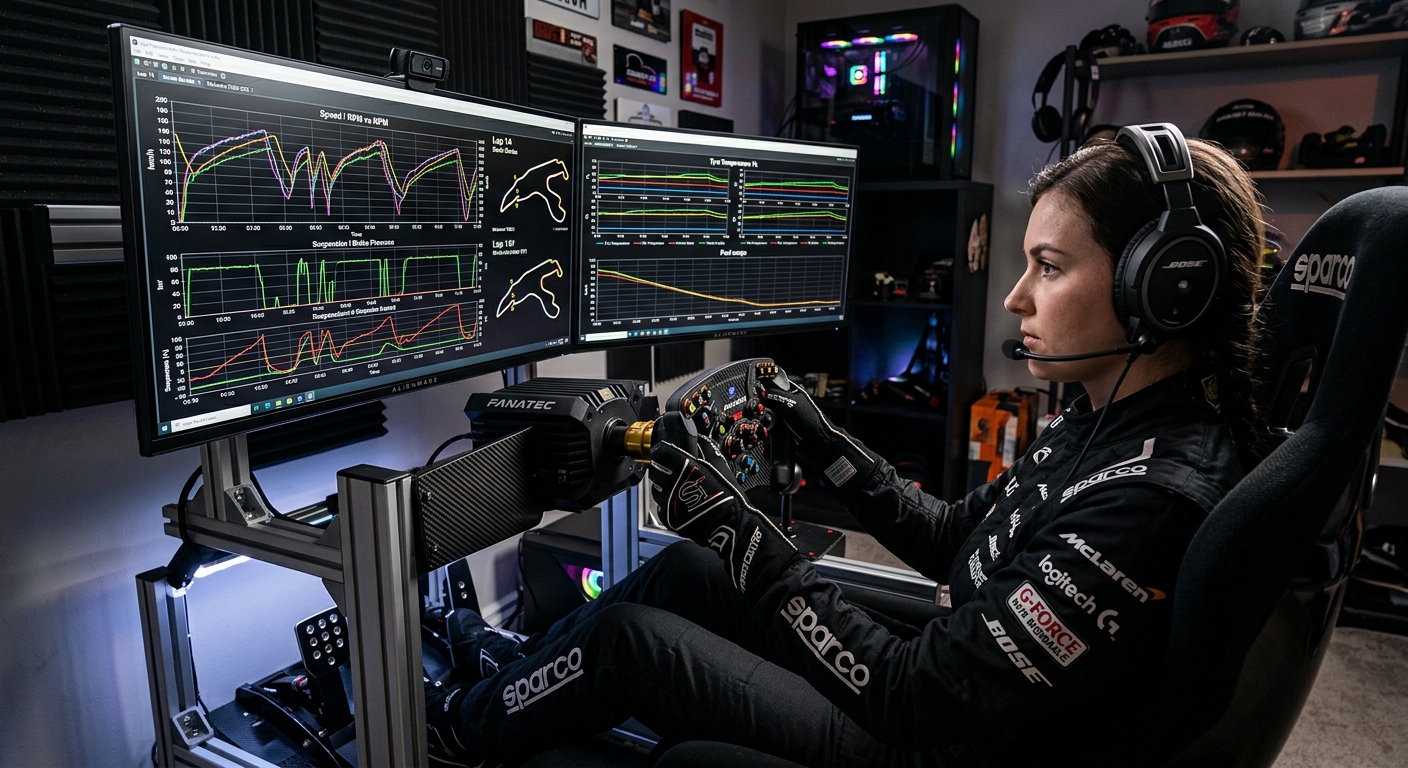
Adapting to a new scan requires a mental reset to overcome years of ingrained habits. The fastest way to do this is by comparing telemetry signatures between the legacy scan and the new surface. Look specifically at your throttle application and steering angle. If the new geometry offers more camber in a specific corner, you may find you can get to 100% throttle much earlier than before. Conversely, if a bump has been added in a transition zone, you might see evidence of micro-corrections in your steering trace that weren't there on the old version. Use this data to build a new map of reference points. Instead of visual cues that might have changed, focus on the 'feel' of the car's rotation and the data-backed points where the chassis settles. This step-by-step re-profiling ensures you aren't just guessing, but are building a faster, more stable lap based on the actual physical properties of the updated track.
FAQ
Why do laser scans change the driving feel if the track layout is the same?
Laser scans capture minute details like surface bumps, drainage gradients, and camber changes that significantly affect car balance and grip levels even if the general shape of the turn remains the same.
How can I quickly find new braking points on a re-scanned track?
Start with conservative braking and use telemetry to identify where the car has excess grip or where the suspension is most stable, then gradually move your markers forward based on the data.
Will my old car setups work on the new track scans?
Likely not. Changes in track geometry and the addition of more realistic bumps often require adjustments to ride height, spring rates, and damper settings to maintain stability.
What is the biggest mistake drivers make on new track updates?
The most common mistake is trying to drive the exact same line and use the same braking markers as the old scan, which leads to inconsistency and avoidable accidents.
How does suspension telemetry help with updated curbs?
Suspension data shows you the velocity and travel of your dampers, helping you identify if a curb strike is causing the tire to lose contact with the ground or upsetting the aerodynamic platform.
Master the New Scans with RaceData AI
Don't let the new Road America or Mid-Ohio scans slow you down. Upload your latest Season 4 laps to RaceData AI today to compare your throttle and brake applications against the updated track geometry. See exactly where your old habits are costing you time and get the data you need to reach the top of the leaderboard.