Breaking the 2,000 iRating Barrier: A Data-Driven Guide to Smarter Practice
breaking-the-2000-irating-barrier-data-driven-guide
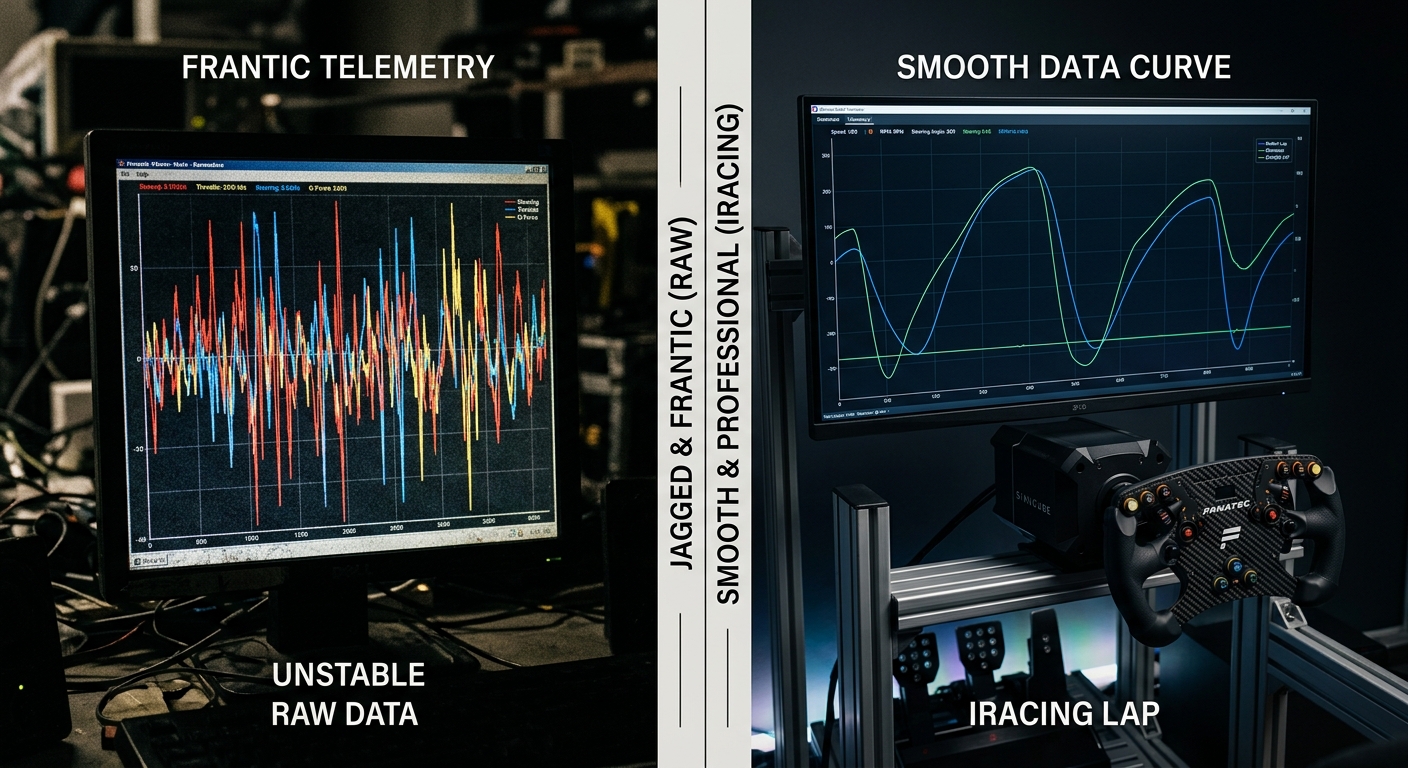
Plateaued at 1,500 iRating? Learn why grinding laps doesn't work and how data-driven micro-training can help you break the 2,000 iRating barrier with any gear.
The 1,500 iRating Plateau and the Power of Micro-Training
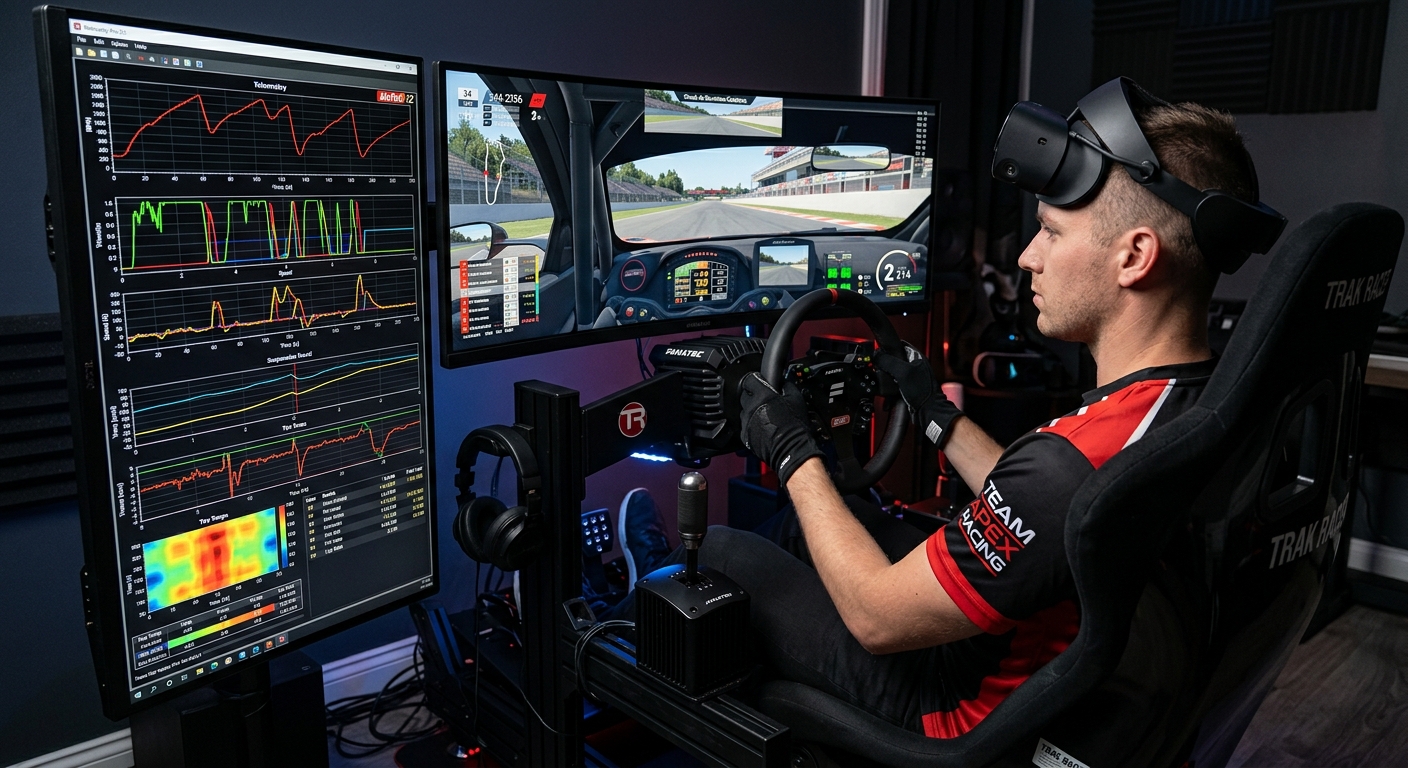
The biggest mistake intermediate drivers make is believing that more laps will naturally lead to more speed. At a certain point, you aren't practicing skills; you are just reinforcing bad habits. To overcome this, adopt the 'micro-training' method. Instead of a two-hour marathon, limit yourself to 30-minute sessions. Spend 15 minutes driving with high intensity and the remaining 15 minutes reviewing your telemetry. This focused approach ensures that every lap serves a purpose and prevents the mental fatigue that leads to sloppy inputs.
Developing Feel: Translating Telemetry into Physical Sensitivity
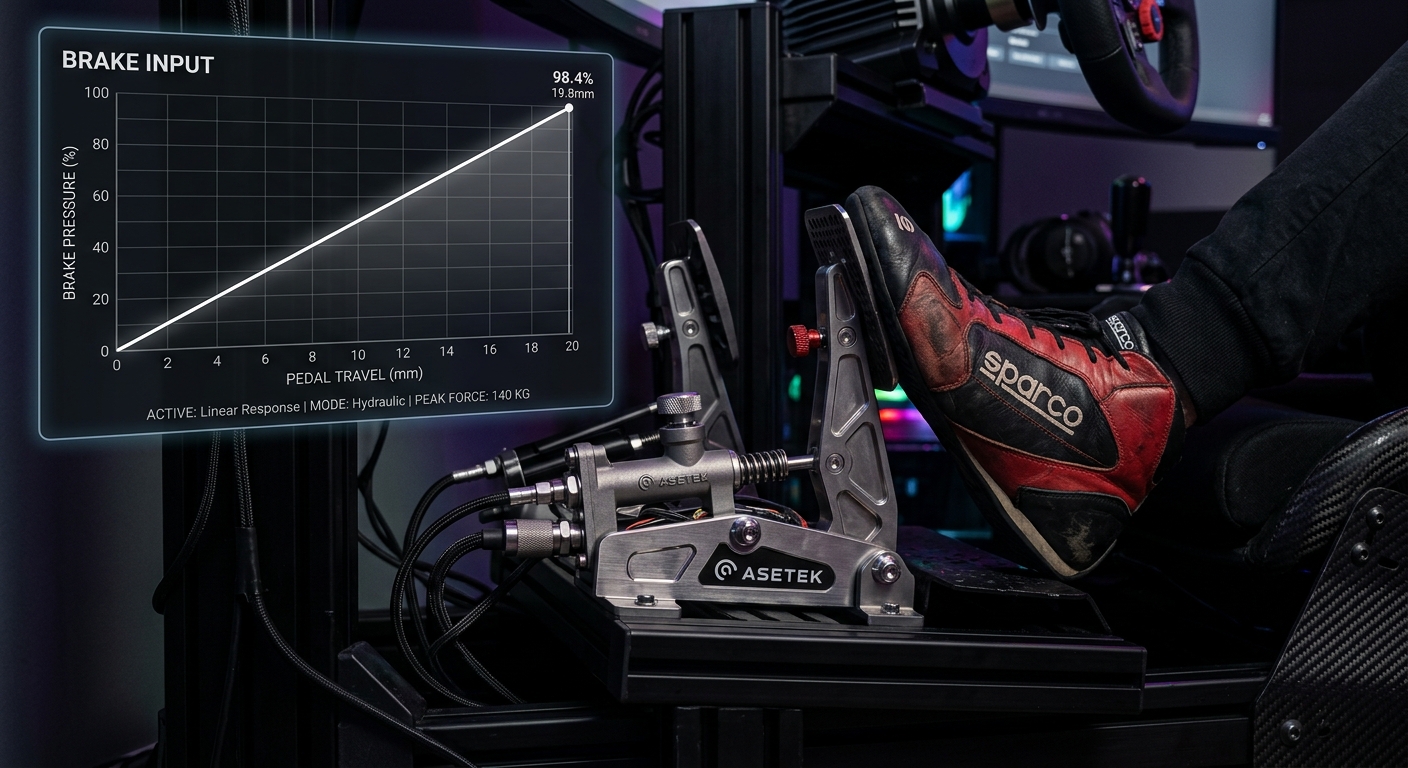
Telemetry is the bridge between what you think you are doing and what the car is actually experiencing. When you analyze your brake and throttle traces, you aren't just looking for speed; you are looking for sensitivity. Drivers under 2,000 iRating often have 'binary' inputs—too fast on, too fast off. By studying data, you learn to refine your footwork, identifying exactly where a smoother release of the brake pedal or a more progressive throttle application would stabilize the car. This sensitivity, combined with looking further ahead through the corner, transforms your raw pace.
The Gear Myth and Using Data to Shorten the Curve
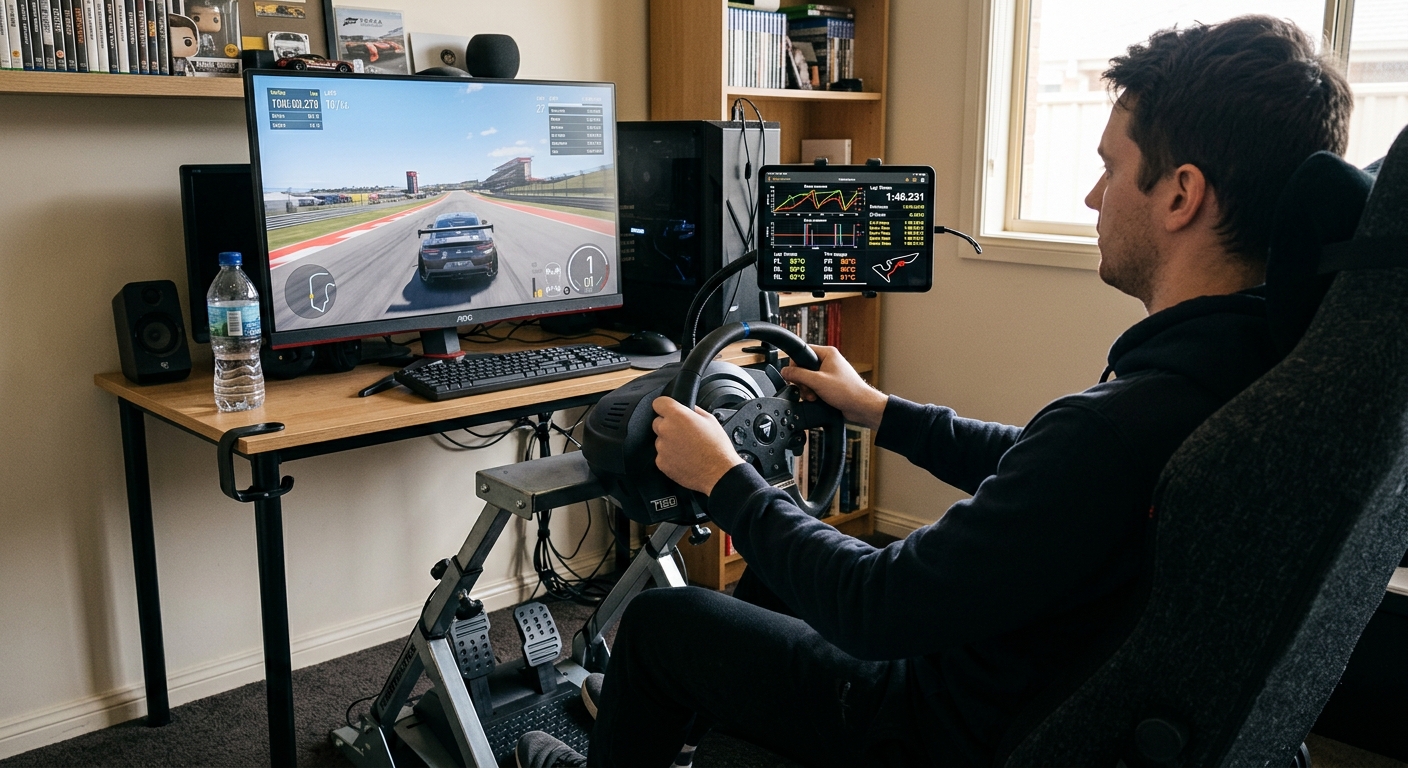
A common misconception is that you need expensive load cell pedals or direct drive wheels to be fast. While better gear provides more feedback, drivers regularly reach 2,000 iRating and beyond using stock Logitech equipment. Speed comes from understanding the limit, not the price of your rig. Tools like RaceData AI provide the 'why' behind the 'what.' By comparing your sessions to faster benchmarks, you identify the specific gaps in your line and timing. This objective feedback removes the guesswork and allows you to focus your limited practice time on the areas that yield the most significant time gains.
FAQ
How long should I practice each day?
Instead of long sessions, aim for 30 to 45 minutes of focused practice. Use half that time for driving and the other half for analyzing your telemetry data.
Can I reach 2,000 iRating with entry-level gear?
Yes. Many drivers reach high ratings using basic gear by focusing on technique, input smoothness, and data analysis rather than hardware upgrades.
What is the most important telemetry metric to watch?
Brake telemetry is often the most revealing. Look for how smoothly you transition off the brake (trail braking) to maintain car balance through the apex.
Why is my iRating stuck even though I drive a lot?
You are likely hitting a plateau because you are reinforcing existing habits. Without data analysis, it is difficult to see the small mistakes that cost tenths of a second.
How does 'looking ahead' affect my telemetry?
Looking further ahead allows your brain to process the corner earlier, which naturally leads to smoother, more proactive inputs rather than reactive, jagged movements.
Identify Your Sensitivity Gaps Today
Stop wondering where the time is going. Upload your latest frustrating session to RaceData AI and let our tools highlight the specific input improvements you need to break the 2,000 iRating barrier.