Why You’re Getting Slower: Breaking Through the 70-Hour Sim Racing Wall
breaking-the-sim-racing-plateau
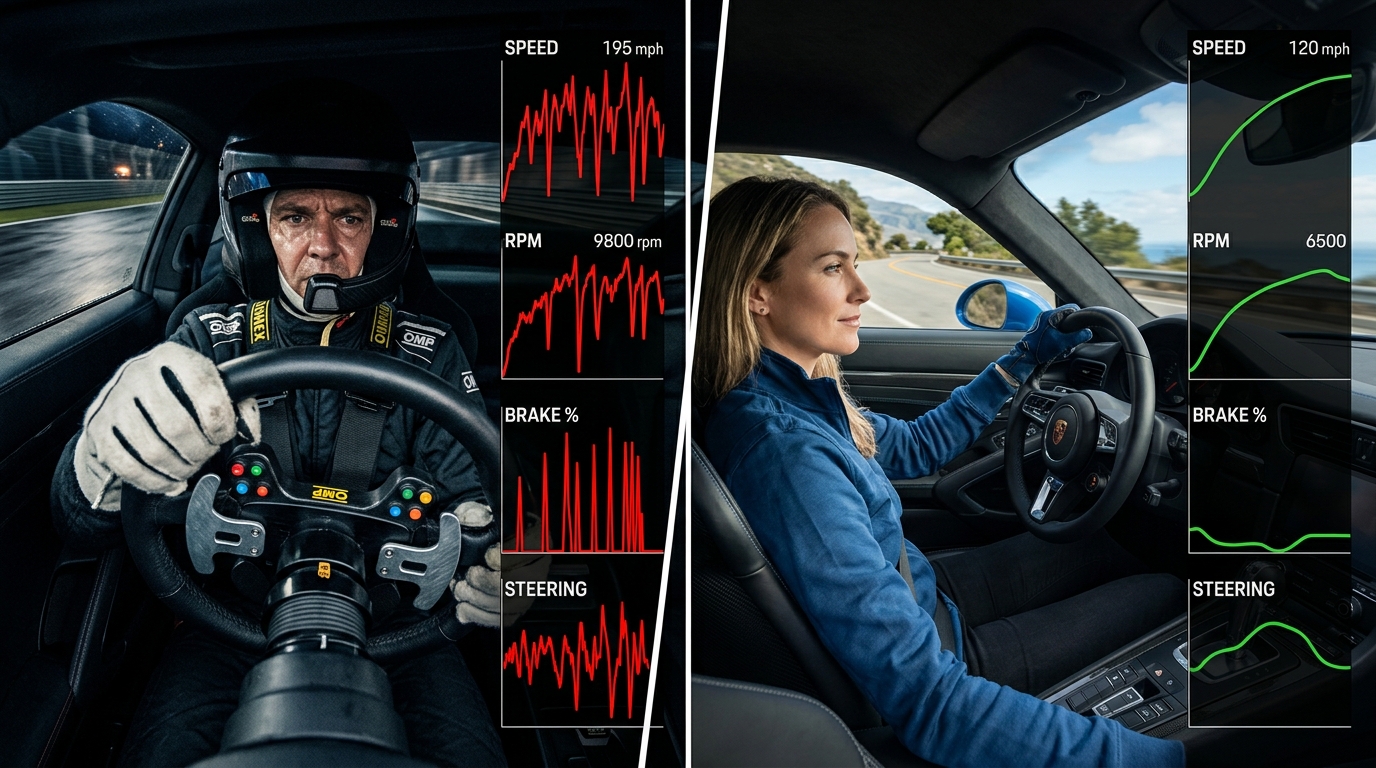
Struggling with a sudden drop in lap times? Learn why sim racers hit the 70-hour wall, how to identify overdriving in your telemetry, and strategies to regain your consistency.
The 'Overdriving' Trap: Identifying Erratic Inputs
The Science of Trying Too HardWhen progress stalls, the natural instinct is to push harder. You brake later, steer more aggressively, and get on the throttle earlier. In telemetry, this manifests as 'noise.' Instead of smooth, deliberate arcs, your steering trace looks like a saw blade, and your brake pressure oscillates as you fight the ABS.Signs you are overdriving:Constant ABS or TC intervention sounds.Higher tire temperatures despite slower lap times.Erratic steering inputs mid-corner.By trying to force the car to be fast, you're actually asking the tires to do more than they are physically capable of. This results in 'scrubbing' speed rather than carrying it.
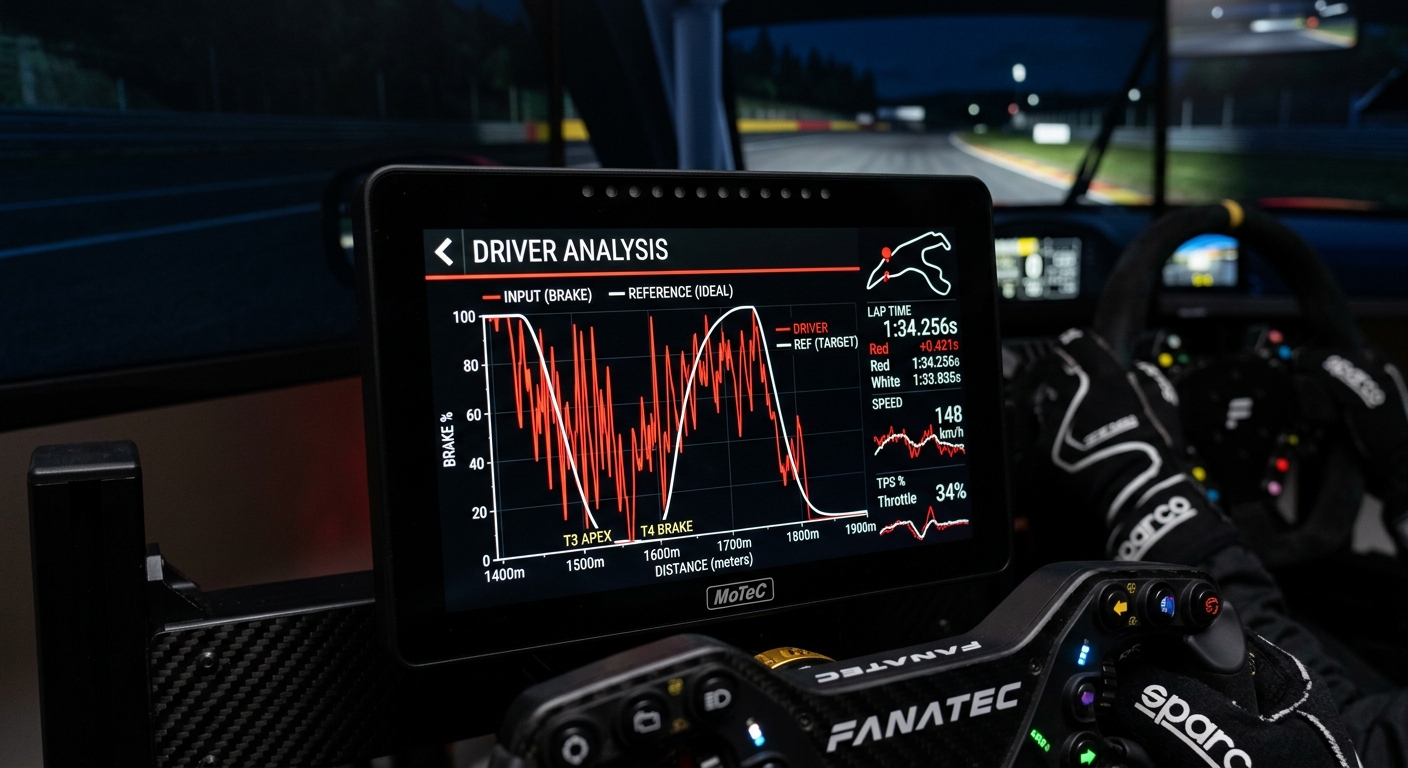
Performance Anxiety: Managing Your Delta Nerves
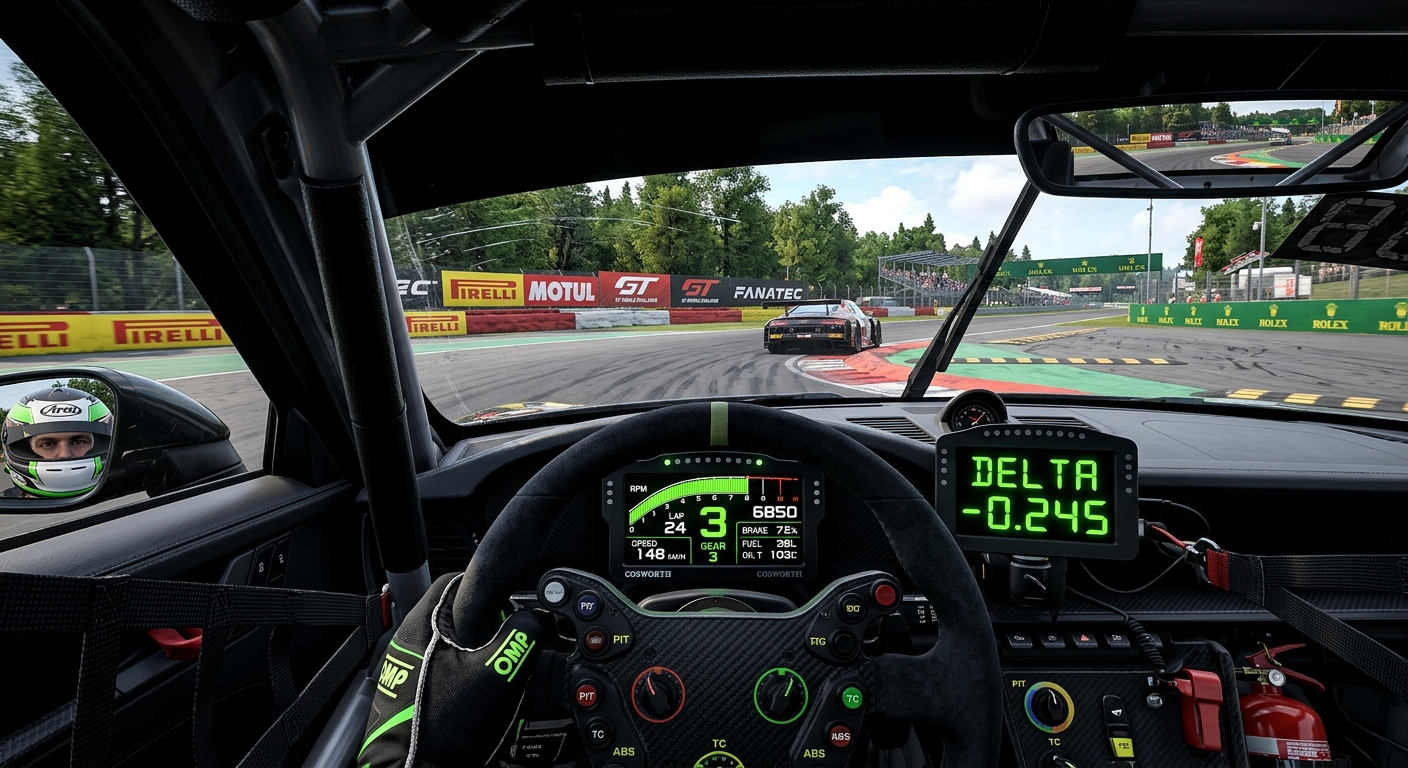
Why You 'Bottle' the Final SectorWe’ve all been there: you’re two-tenths up on your personal best (PB) going into the final chicane, and suddenly your heart rate spikes. You miss the apex, lock the tires, and the lap is ruined. This is performance anxiety, or 'delta watching.'To overcome this, you must change your focus from the outcome (the lap time) to the process (the braking markers). Many professional drivers turn off their delta timer entirely during practice to prevent 'nerves' from dictating their physical inputs. Consistency comes from a calm mind, not from staring at a glowing green number.
The 3-Day Rule and Data-Driven Resets
Why Stepping Away Makes You FasterMuscle memory can be your best friend or your worst enemy. If you’ve spent ten hours practicing a bad habit, your brain needs a reset. This is where the '3-Day Rule' comes in. Taking a break allows your subconscious to consolidate what you've learned without the immediate frustration of poor performance.When you return, don't chase your PB. Use RaceData to set a 'baseline'—a lap time you can hit 10 times in a row without breaking a sweat. Improvement is built on a stable foundation of consistency, not a single 'alien' lap that you can't replicate.
FAQ
Why am I getting slower after 70 hours of sim racing?
This is often the '70-hour wall' where drivers move from conscious thought to subconscious muscle memory. If you've developed bad habits, you'll start 'overdriving' and losing time by trying too hard.
How do I stop overdriving in ACC?
Focus on smoothness. Use telemetry to identify 'noise' in your steering and braking. If you hear the tires screaming or the ABS constantly kicking in, you're likely overdriving.
Should I change my car setup to fix a plateau?
Usually, no. Performance regression is almost always a technique issue. Changing setups often adds more variables and confusion. Stick to a safe, stable setup until your consistency returns.
What is the best way to handle 'nerves' during a fast lap?
Turn off your delta timer during practice. Focus entirely on your braking and turn-in markers rather than the predicted lap time.
How often should I take breaks from sim racing?
If you feel frustrated or notice your times dropping, a 48-to-72-hour break can help reset your muscle memory and improve your mental clarity.
Visualize Your Overdriving with RaceData AI
Stop guessing why you're getting slower. Upload your 'frustrating' sessions to RaceData AI to compare them directly against your PBs. Our platform highlights exactly where you're overdriving, so you can stop chasing ghosts and start chasing tenths. Let the data show you the way back to the podium.