Why Your New Direct Drive Wheel Might Be Making You Slower: The Rig Rigidity Guide
direct-drive-trap-rig-rigidity-guide
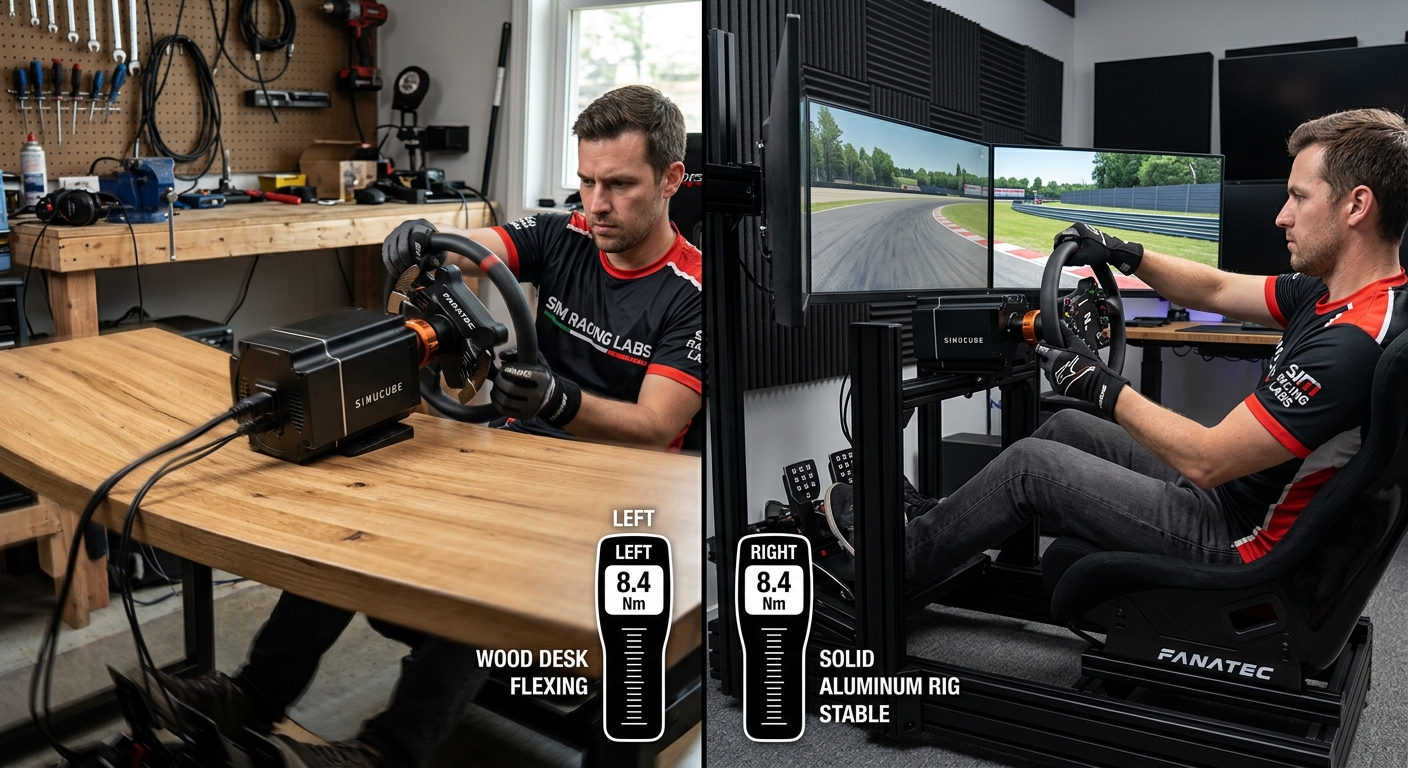
Upgrading to a direct drive wheelbase or load-cell pedals without a rigid rig can actually hurt your lap times. Learn how rig flex destroys consistency and telemetry accuracy.
The Physics of Feedback: How Rig Flex Steals Your Lap Time
When your wheelbase generates torque, that energy needs to be transmitted directly to the driver. In a rigid setup, it goes into your hands, allowing you to feel the limit of grip and subtle tire scrubbing. When your mounting surface flexes, it acts like a shock absorber, filtering out the high-frequency vibrations and subtle cues necessary for micro-corrections. This flex creates physical noise in your feedback loop, making it impossible to react to the car's behavior with the precision required for high-level competition.
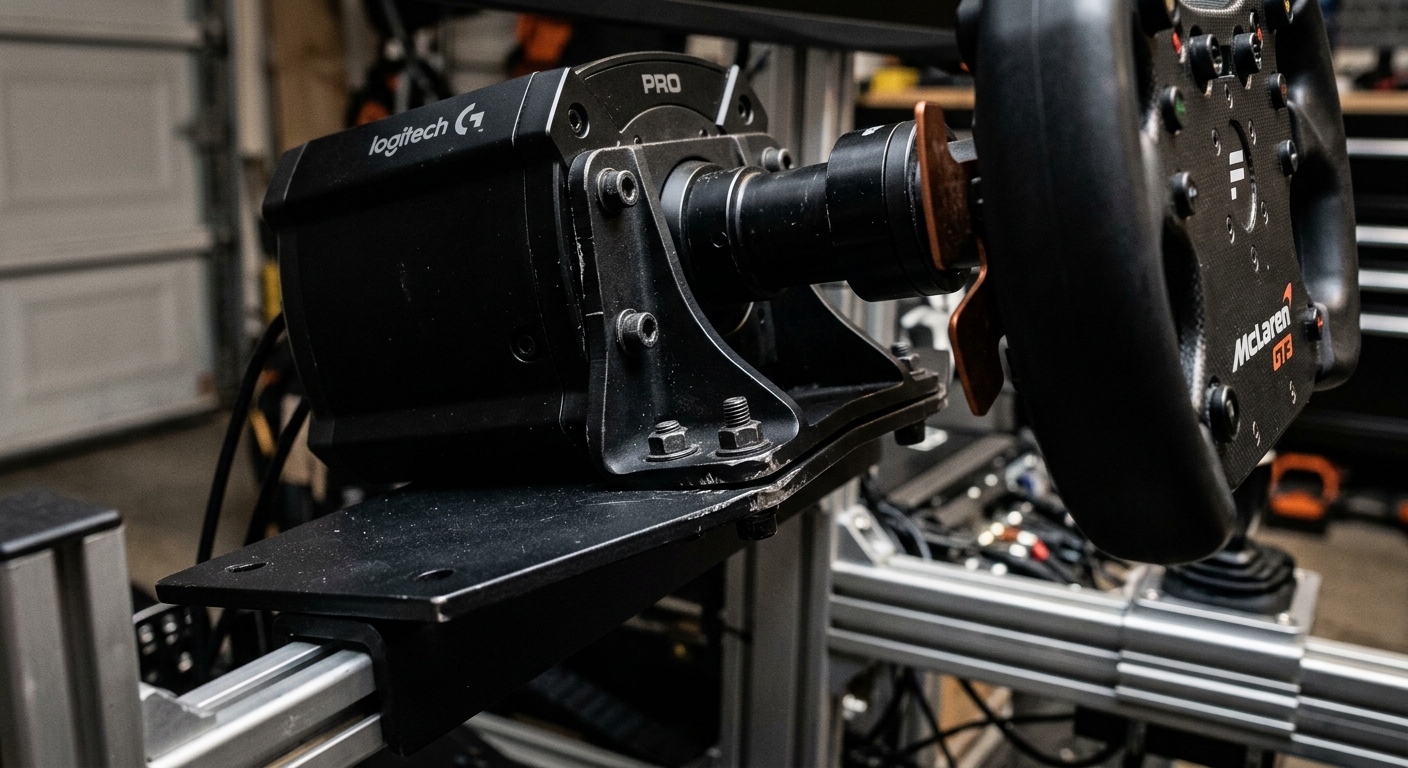
Muscle Memory and Load Cells: The Need for Zero Movement
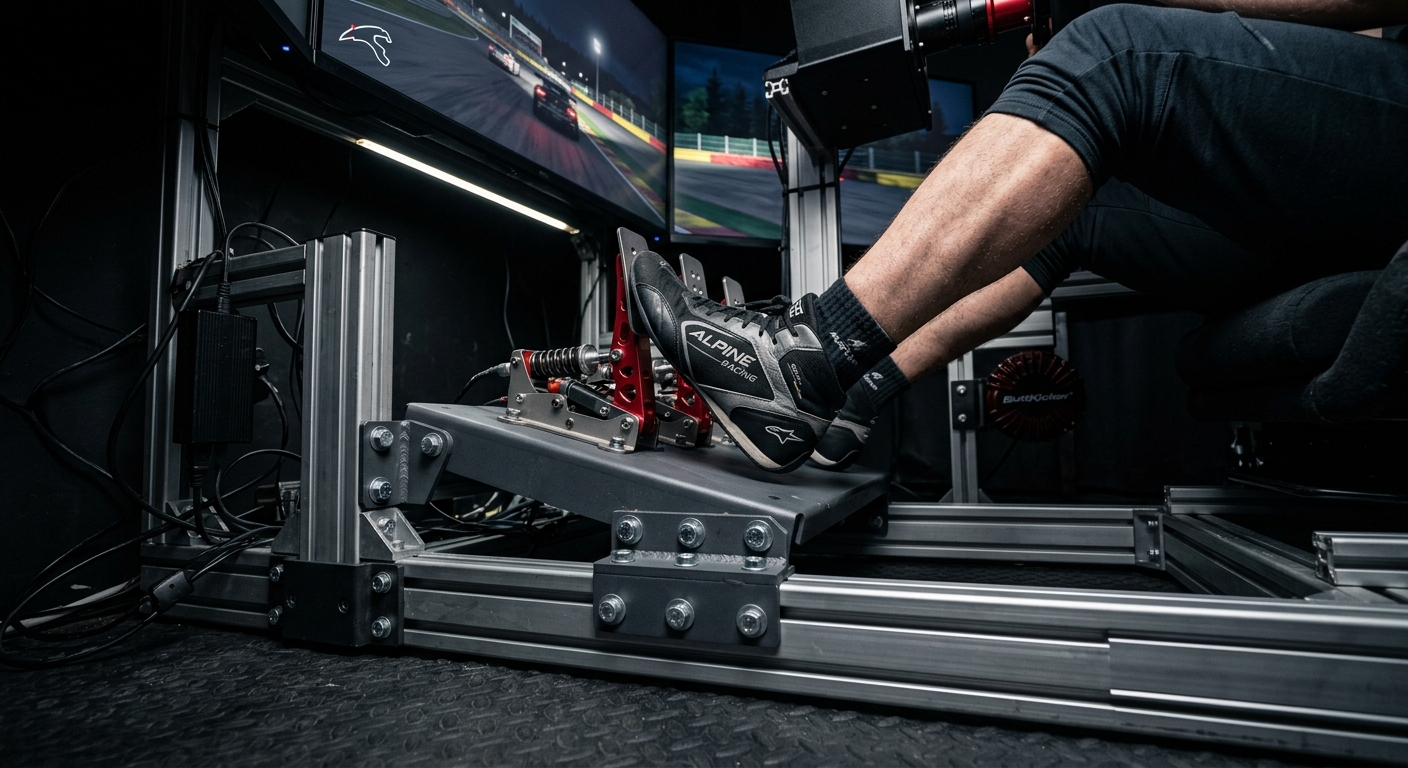
Load-cell pedals measure pressure rather than distance, which is the key to building reliable muscle memory in braking zones. If your pedal plate or seat moves even a few millimeters when you hit the brakes, your brain cannot establish a consistent relationship between the pressure applied and the resulting stopping power. This movement effectively randomizes your braking points, leading to inconsistent trail braking and lock-ups that make it impossible to hit your marks lap after lap.
FAQ
Why is my new direct drive wheel making me slower?
Without a rigid rig, the extra torque causes the mounting surface to flex, which hides subtle feedback and ruins your consistency.
Can I use a high-torque wheelbase on a desk?
While possible, a desk will absorb much of the detail and may vibrate excessively, causing you to lose the benefit of high-fidelity feedback.
Do I need an aluminum profile rig for load-cell pedals?
Load-cell pedals require a non-flexing base to ensure your muscle memory translates to consistent braking performance.
How does rig flex affect my telemetry data?
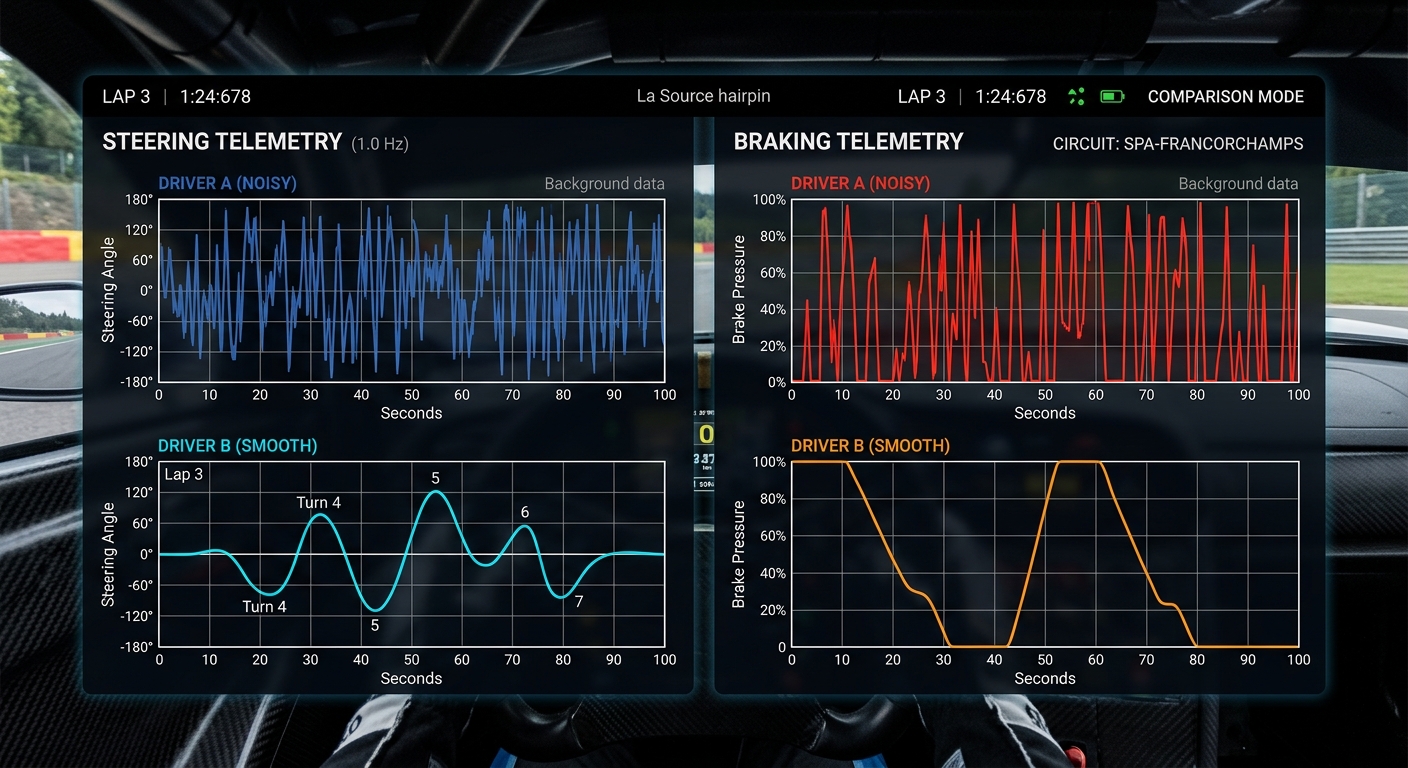
Flex creates physical noise, causing your inputs to look jagged or inconsistent in data analysis tools like RaceData.
What is the best upgrade path for performance?
Focus on rig rigidity first, then move to load-cell pedals, and finally upgrade to a high-torque direct drive wheelbase.
Visualize Your Consistency with RaceData
Don't let rig flex hide your potential. Use RaceData to compare your braking and steering telemetry. Identify the physical noise in your setup and see the immediate impact of a more rigid racing environment on your lap times.