Beyond Torque: How FFB Fidelity and Slew Rate Make You a Faster Driver
ffb-fidelity-slew-rate-sim-racing-performance
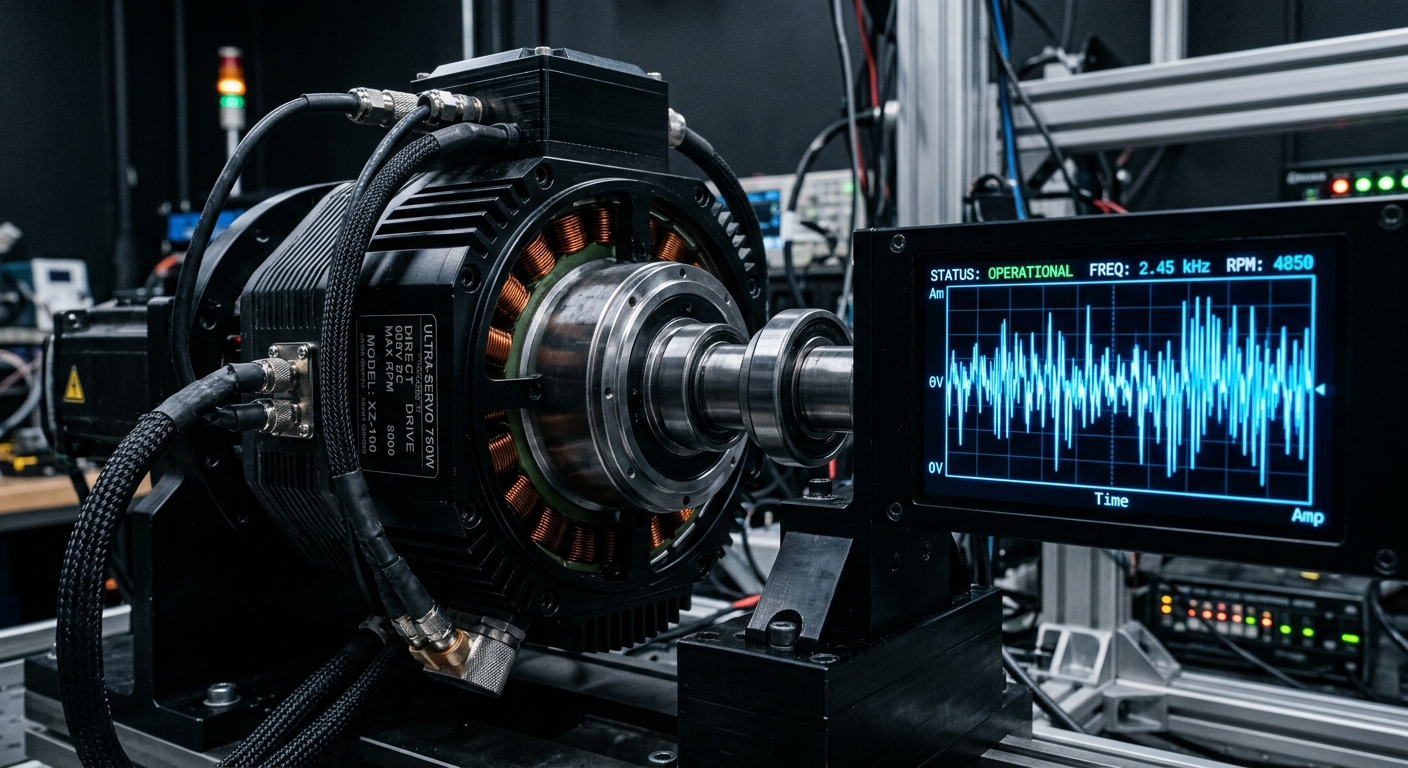
Discover why FFB fidelity and slew rate matter more than peak torque for performance. Learn how high-end direct drive systems help you catch slides and improve your consistency.
The Torque Trap: Why Peak Nm Is Not Everything
While high-torque bases provide the overhead necessary to prevent signal clipping, peak power alone does not make you a faster driver. The real value of a high-end system is its dynamic range. This is the ability to deliver subtle, nuanced vibrations even while under a heavy sustained load. In a lower-end system, heavy cornering forces can mask the fine details of the track surface or tire slip. High-fidelity hardware ensures that you can still feel the rears letting go even when the wheel is heavily weighted, allowing for more informed inputs and less physical fatigue from fighting unnecessary weight.
Understanding Slew Rate: The Speed of Information
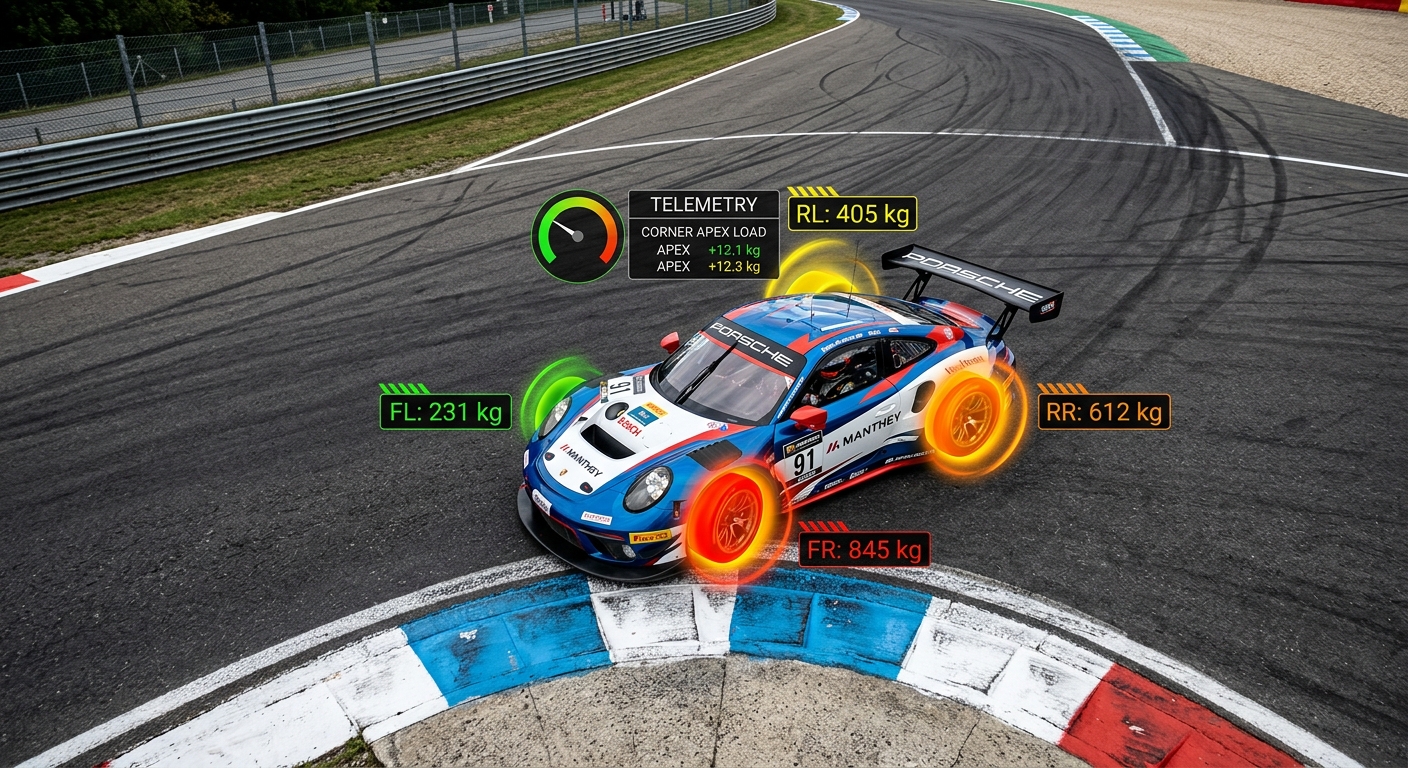
Slew rate is a technical specification that describes how quickly the motor can change its torque output. In practical terms, it is the sharpness of the feedback. A high slew rate means the wheel reacts instantly to the physics engine of the sim. When your car hits a bump or begins to snap into oversteer, a high slew rate base communicates that change to your hands without delay. This reduces your total reaction time, making it significantly easier to catch slides. Systems like the Simagic Alpha or Fanatec DD series use high slew rates to bridge the gap between virtual physics and physical sensation.
Fidelity vs. Smoothness: Finding the Limit
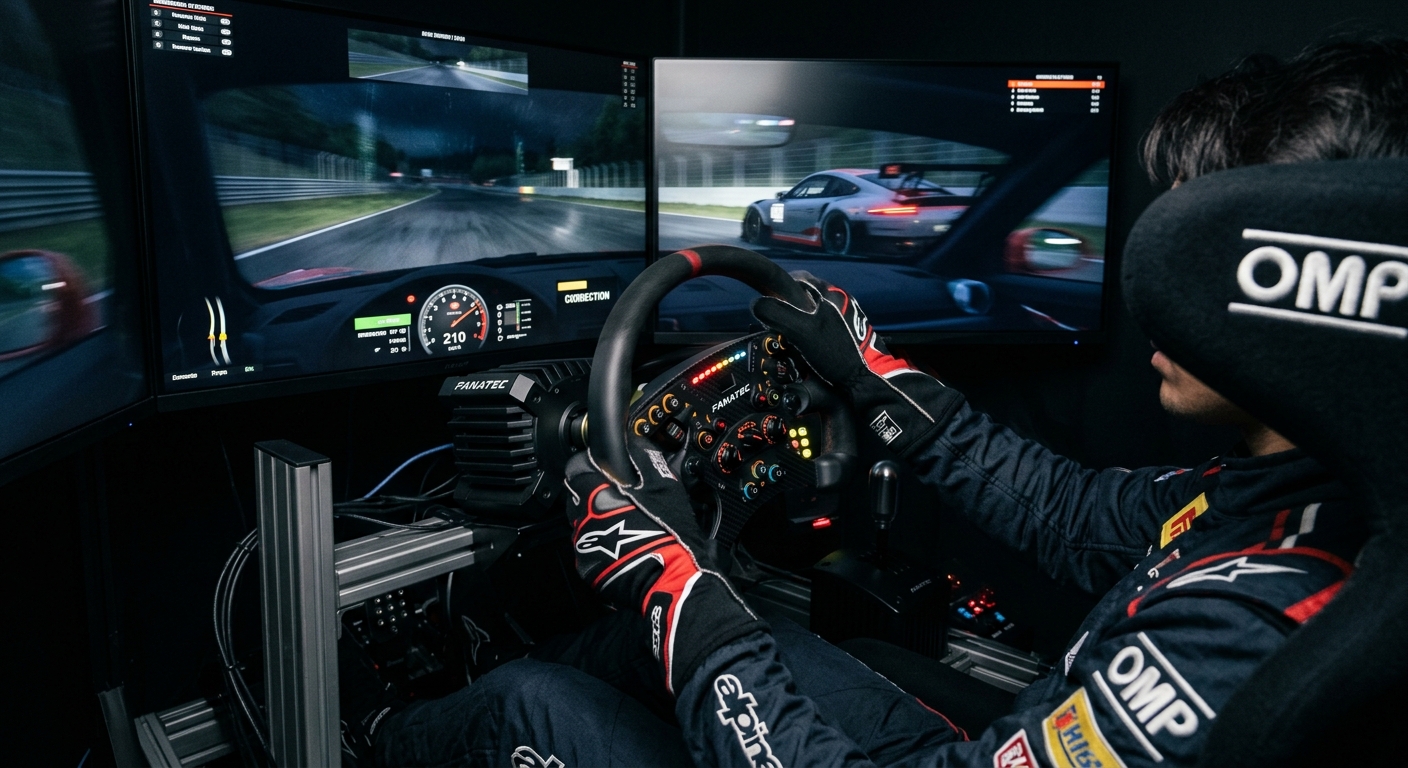
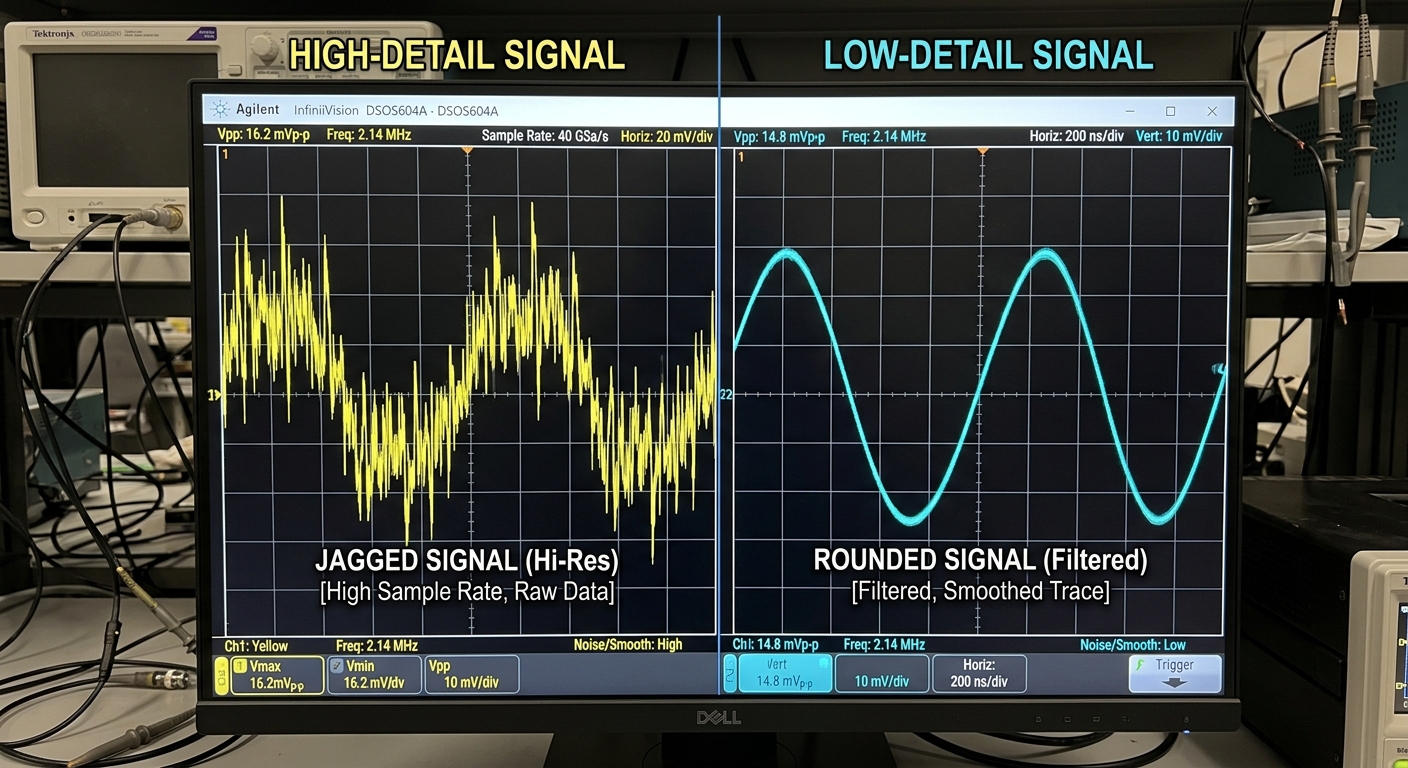
Many drivers mistake a smooth feeling for a high-quality feeling, but excessive software smoothing can be a performance killer. Smoothing and interpolation filters are designed to round off the edges of the FFB signal, which can mask the very road texture and tire data you need. Technologies like Logitech TrueForce utilize high-frequency vibrations as additional data points for the driver. By optimizing your settings to favor fidelity over artificial smoothness, you transform your hardware into a powerful diagnostic tool. This clarity allows you to find the absolute limit of the car with more confidence and repeatable results.
FAQ
What is slew rate in sim racing?
Slew rate measures how fast the direct drive motor can change its force output, determining the sharpness and immediacy of feedback.
Does higher torque help me catch slides?
Not directly. Higher torque prevents clipping, but it is the speed and fidelity of the signal that help you feel and catch a slide.
What is the difference between peak torque and dynamic range?
Peak torque is the maximum strength, while dynamic range is the ability to feel small details even when the wheel is under heavy force.
Why should I avoid high smoothing settings?
High smoothing filters act like a blur for your hands, removing the sharp details and textures that tell you how the tires are behaving.
Is TrueForce actually useful for performance?
Yes, high-frequency vibration provides additional sensory data about engine RPM and tire slip that standard FFB signals might miss.
Master Your Consistency with RaceData
Analyze your telemetry with RaceData AI to see if your steering corrections are becoming more precise after upgrading your FFB settings. Start improving your consistency today.