The Final Second: How to Break Through the 4k iRating Plateau in GT3
finding-pace-iracing-gt3-plateau
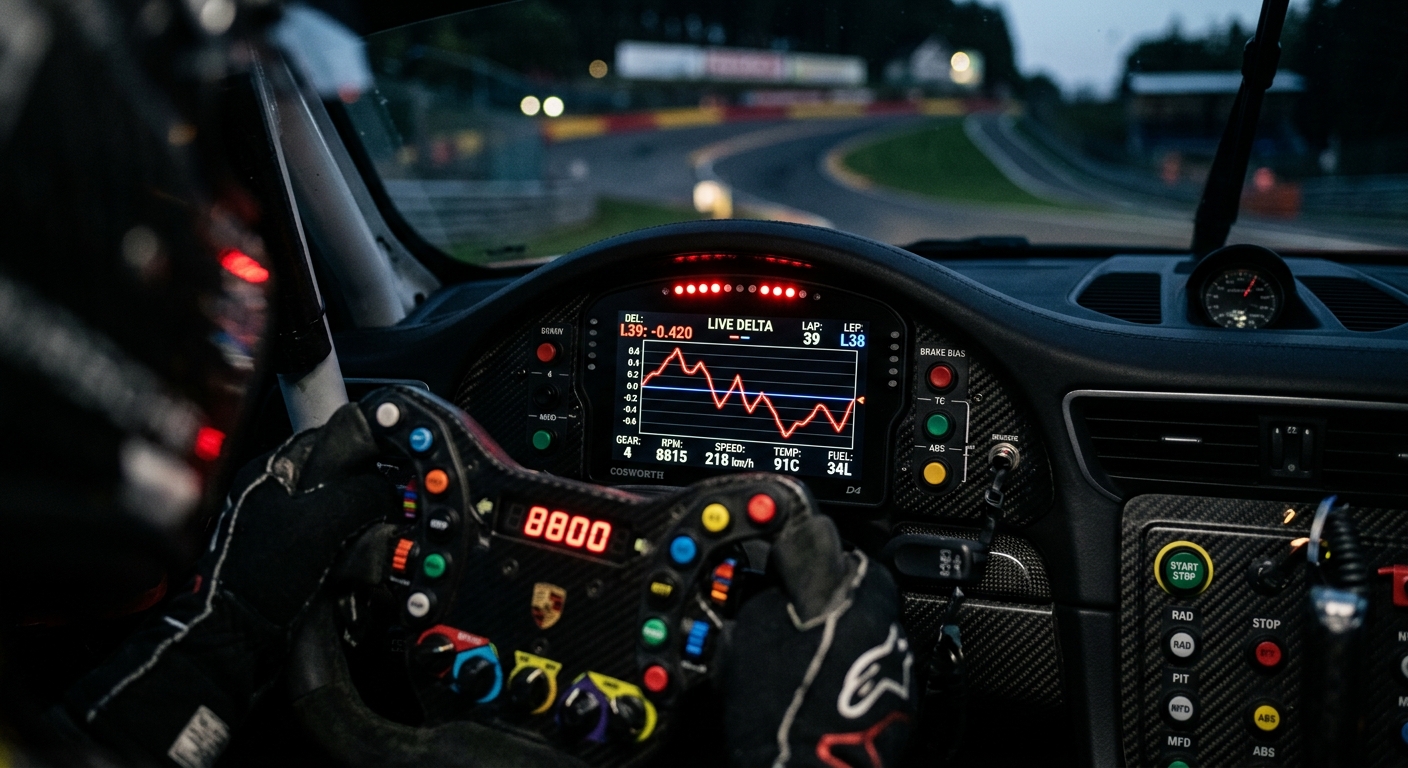
Stuck at 4,000 iRating? Learn how to use advanced telemetry, trail braking precision, and professional coaching to find the final second of pace and bridge the gap to eSports pros.
The 4,000 iRating Ceiling: Why More Laps Won't Help
At the 4k iRating level, you likely have a solid grasp of the racing line and basic car control. However, simply turning more laps often reinforces existing habits rather than correcting subtle flaws. This is the point of diminishing returns. The difference between a 4k driver and a 6k eSports pro isn't found in a different line, but in how the car is managed through the transition phases of a corner. To break the ceiling, you must move away from 'driving by feel' and begin auditing every input using high-fidelity telemetry comparison tools.
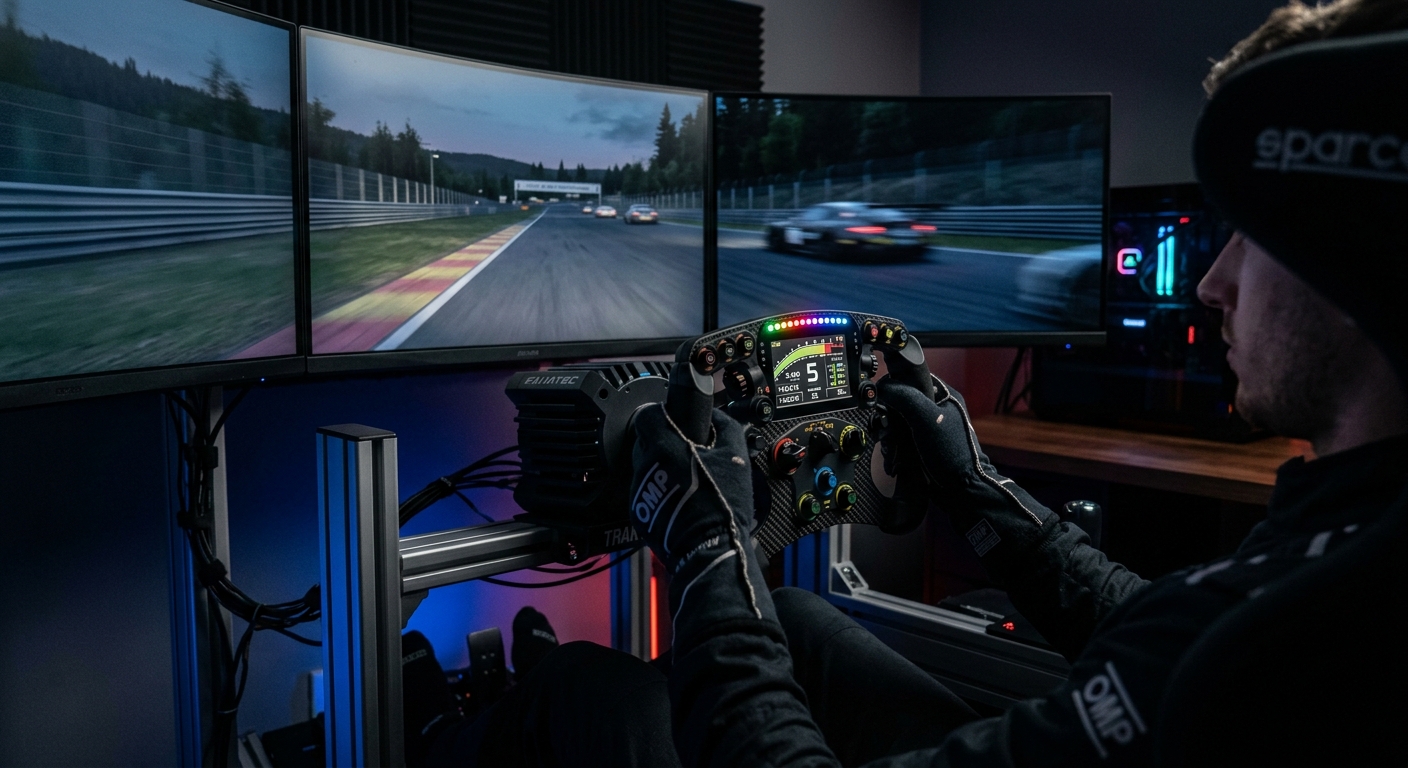
Advanced Telemetry: Where the Time is Actually Lost
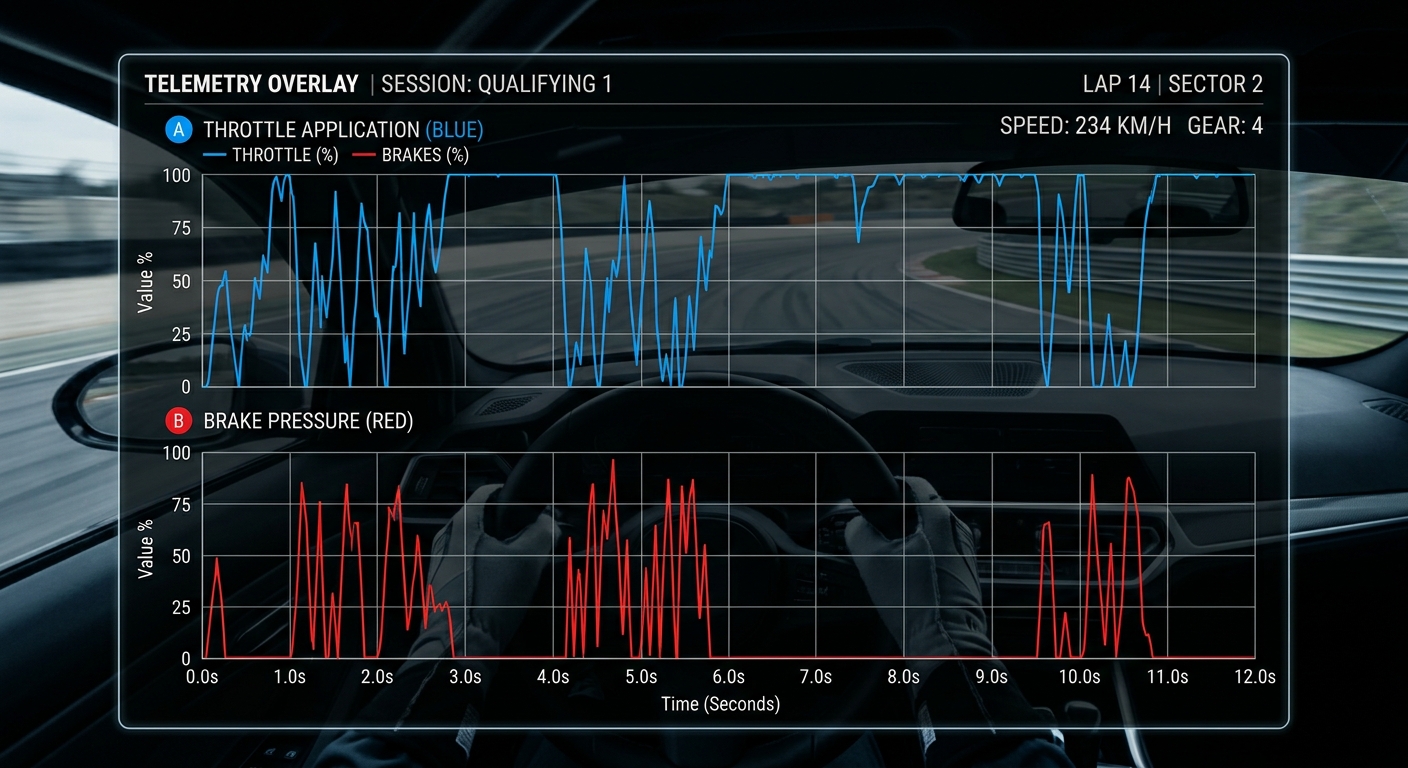
The final second is usually hidden in the transitions: the moment you release the brake and the moment you pick up the throttle. By overlaying your traces with a pro benchmark in RaceData, you will often find that the pro driver carries slightly more mid-corner speed by releasing the brake with more finesse. This is known as managing the platform. If you are over-braking by even 5 percent or missing the apex by a few centimeters, it compounds into a massive loss of exit speed that lasts the entire length of the following straight.
Technique vs. Setup: What Really Closes the Gap?
It is a common myth that a 'magic' setup is the key to eSports pace. While a stable setup provides confidence, it rarely accounts for more than two or three tenths of a second. The remaining gap is purely technique. Advanced trail braking, weight transfer management, and corner geometry are the primary drivers of performance. This is why professional coaching is so effective at this level; a coach can identify the mental hurdles and physical habits that your own eyes might miss in the data, helping you refine the 'how' behind the 'what.'
FAQ
Why am I stuck at 4,000 iRating?
You have likely reached the limit of what intuition can provide. Breaking through requires a transition to data-driven practice and micro-input analysis.
How much time can a pro setup actually save?
A pro setup usually offers 0.2s to 0.3s of pace. The rest of the 1-second gap is found in driving technique and input precision.
What should I look for in telemetry first?
Focus on the brake release phase. Most 4k drivers over-slow the car at the apex compared to 6k+ pro drivers.
Is professional coaching necessary for 5k iRating?
While not strictly necessary, coaching accelerates progress by identifying bad habits that are invisible to the driver during a live session.
How do I identify micro-errors in my driving?
Use RaceData to overlay your laps with faster benchmarks, specifically looking for differences in minimum corner speed and throttle application points.
Master Your Data with RaceData AI
Ready to stop guessing and start gaining? Use RaceData AI's advanced telemetry tools to compare your laps with pro benchmarks and identify the exact inputs keeping you from the 5k iRating bracket.