How Real-Time Data Analytics is Transforming Modern Motorsports
how-real-time-data-analytics-transforming-modern-motorsports
How Real-Time Data Analytics is Transforming Modern Motorsports
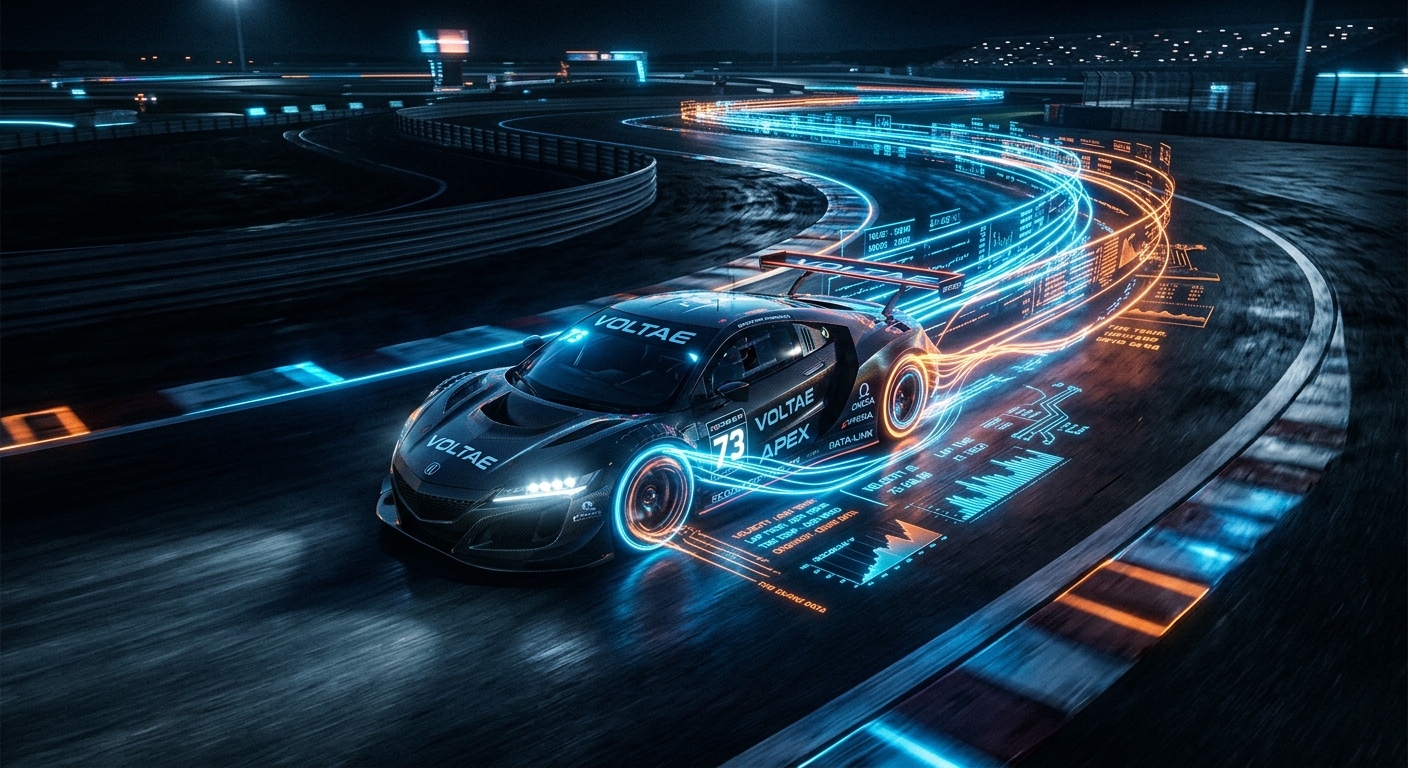
In the high-stakes world of professional racing, the difference between a podium finish and a mid-pack result often comes down to milliseconds. While driver skill remains paramount, the modern era of racing is increasingly defined by the ability to process and act upon massive amounts of data in real-time.
The Evolution of Race Telemetry
For decades, engineers relied on basic sensors to monitor engine temperature and oil pressure. Today, a single modern race car is equipped with hundreds of sensors generating gigabytes of data every session. This evolution has shifted the focus from reactive mechanical adjustments to proactive strategy optimization.
From Post-Race Analysis to Live Decisions
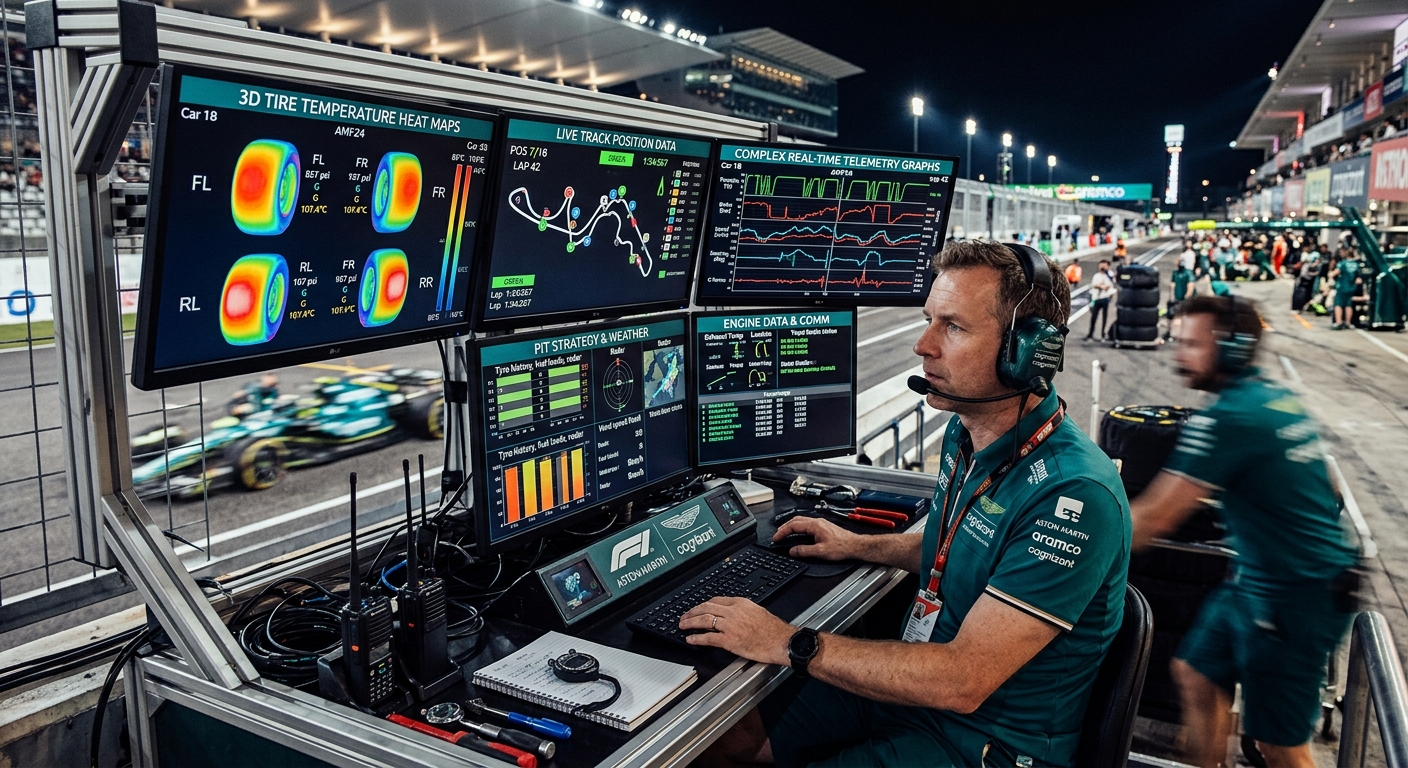
In the past, data was downloaded and analyzed after the car returned to the pits. Now, high-speed telemetry allows engineers on the pit wall—and even specialists back at the factory—to monitor tire carcass temperatures, aerodynamic loads, and fuel flow as it happens. This immediate feedback loop allows for instant strategy pivots that can capitalize on safety cars or changing weather conditions.
How AI Predicts Race Outcomes
Artificial Intelligence has taken the guesswork out of race strategy. By feeding historical data and live telemetry into sophisticated models, teams can now predict outcomes with startling accuracy.
Tire Degradation and Fuel Management
One of the most critical variables in any race is the rate of tire wear. AI models analyze track surface temperature, driving style, and cornering forces to predict exactly when a tire’s performance will "fall off a cliff." Advanced tools, including those developed by RaceData AI, help teams determine the optimal "under-cut" or "over-cut" windows to gain track position during pit sequences.
Predictive Traffic Modeling
AI also helps teams understand where a driver will emerge after a pit stop. By simulating thousands of race scenarios per second, teams can ensure their driver returns to clean air rather than getting stuck in a mid-field battle that kills lap time and overheats the engine.
The Role of Simulation in Driver Preparation
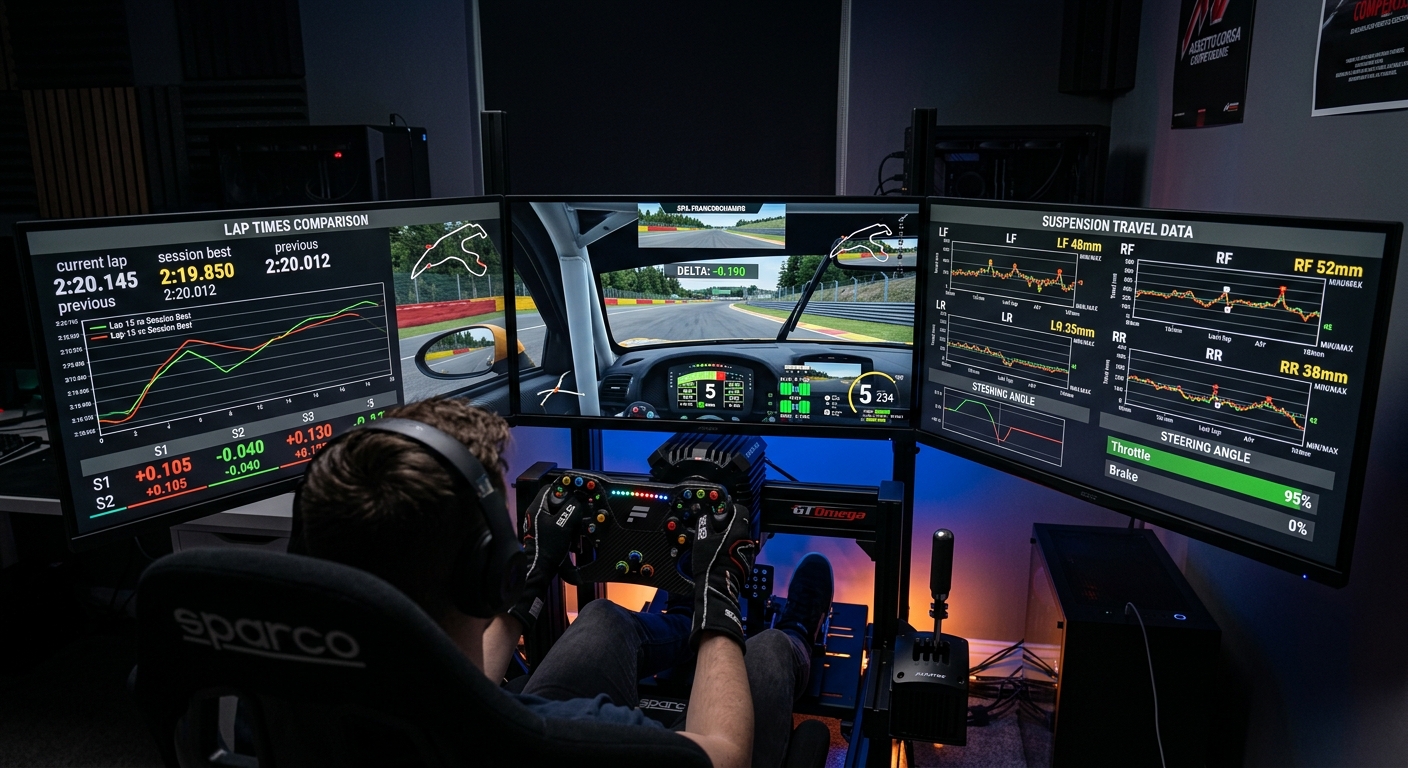
Before a car even touches the tarmac, it has likely completed thousands of virtual laps. Simulation technology has become so advanced that the transition from the simulator to the track is nearly seamless.
- Track Mapping: Laser-scanned tracks provide millimeter-perfect replicas of bumps and kerbs.
- Setup Optimization: AI can run millions of permutations of wing angles and suspension stiffness to find the theoretical "ideal" setup for a specific weekend.
- Driver Coaching: By overlaying live data against "ghost laps" generated by predictive algorithms, drivers can identify exactly where they are losing time.
Improving Fan Engagement Through Insights
Data isn't just for the teams; it's for the fans. Modern broadcasts now include "Insights" that explain the probability of an overtake or the remaining life of a tire. This transparency helps the audience appreciate the technical complexity of the sport, turning every race into a high-speed chess match. Utilizing platforms like RaceData AI allows for a deeper understanding of these metrics, making the sport more accessible to the data-driven enthusiast.
The Future of the Paddock
As machine learning continues to advance, we can expect even more integration between human intuition and algorithmic precision. The teams that successfully bridge the gap between the raw data and the driver’s "feel" will be the ones standing on the top step of the podium.