Stop Chasing Luck: How to Turn Fluke Laps into Consistent Pace in ACC
how-to-get-faster-in-acc-consistency-guide
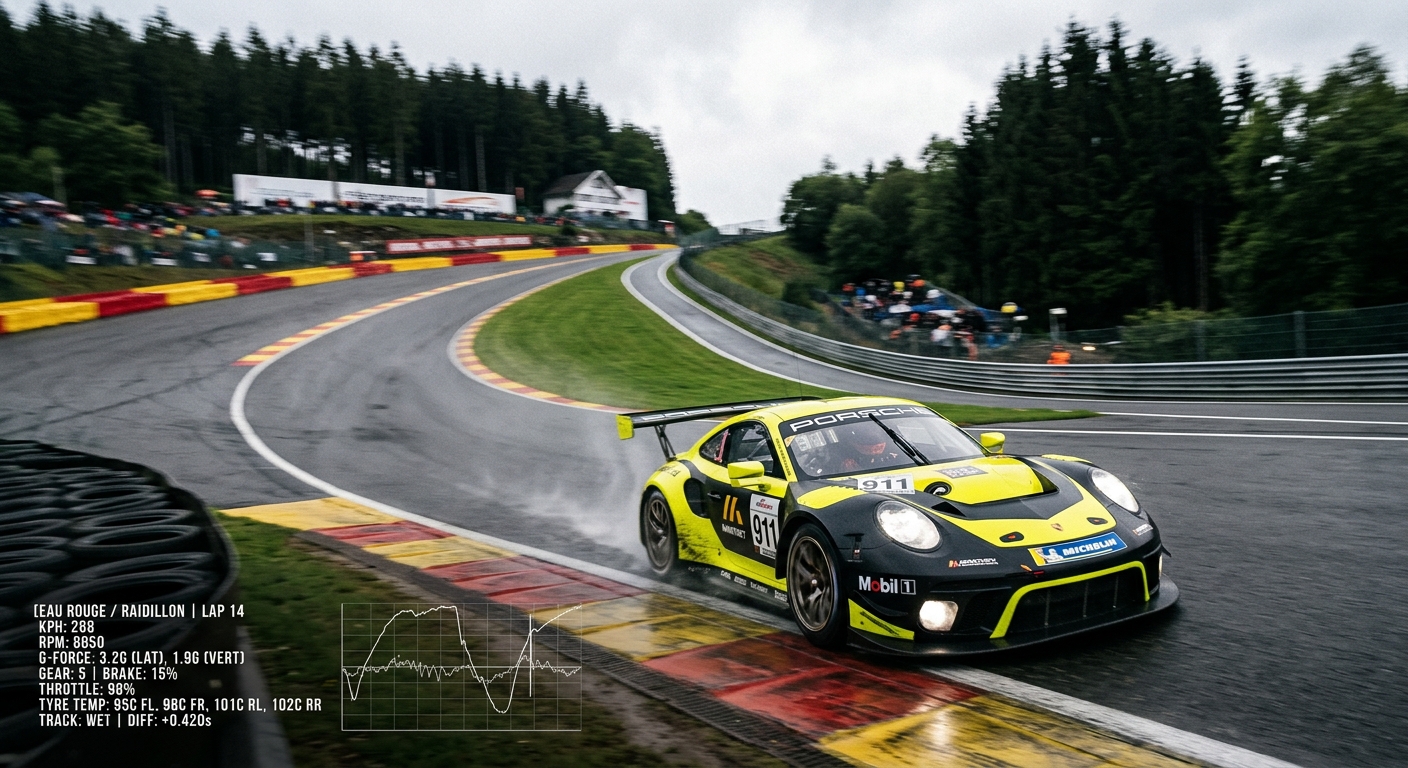
Stuck at a plateau in ACC? Learn how to move beyond lucky laps and use telemetry data to find consistent speed across any GT3 car with these proven data-driven techniques.
The Consistency Trap: Why You Can’t Repeat Your Best Laps
Beginner plateaus often happen because drivers find speed through high-risk maneuvers rather than refined technique. A fluke lap usually results from over-driving where the car balance happens to align on a single attempt. Real speed comes from understanding why a car rotates and reproducing those conditions every lap. Telemetry acts as the X-ray for your driving, showing that your fastest lap and your average lap often have different braking points and throttle applications. By smoothing these inputs, you turn high-risk moments into a sustainable racing rhythm.
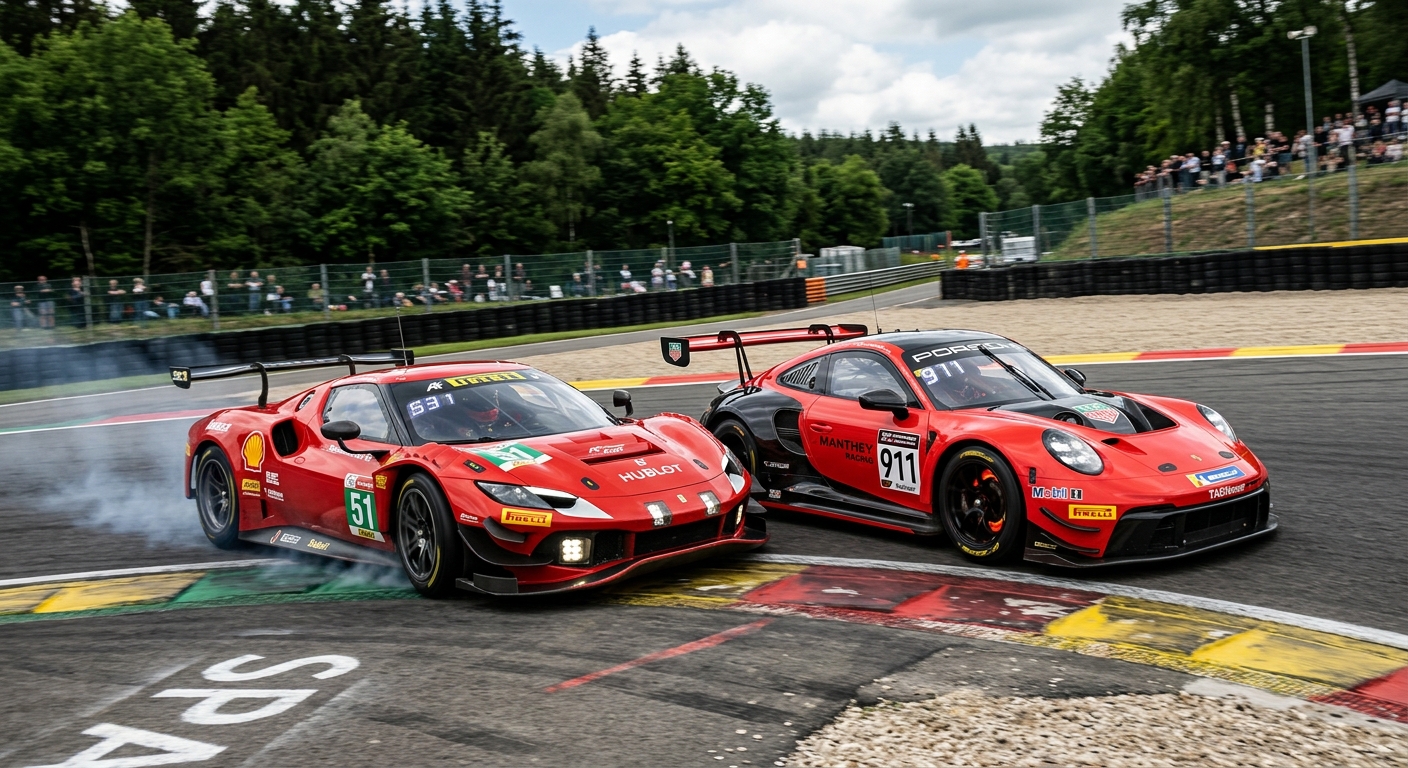
Mastering Trail Braking and Beyond the Ferrari 296
The Ferrari 296 is a popular entry point due to its stability, but its forgiving nature can mask poor habits. To truly improve, you must master trail braking—the art of slowly releasing the brake as you turn into an apex. This technique controls the car's pitch and keeps the front tires loaded for better turn-in. Transitioning to more demanding cars like the Porsche 911 GT3 R or the Lamborghini Huracan forces you to manage weight transfer more precisely. These skills are universal and will make you faster in any car you choose to drive.

FAQ
Why am I fast in one car but slow in another?
Each car has unique aerodynamics and weight distribution. If you are only fast in one car, you may be relying on its specific safety nets rather than universal driving physics.
What is the most important telemetry metric for beginners?
The brake release curve is vital. A smooth, gradual release allows the car to rotate into the corner without upsetting the balance or losing front-end grip.
How do I stop over-driving the car?
Focus on your exit speed. If you cannot get on the throttle early and smoothly at the apex, you likely entered the corner too fast.
Is the Ferrari 296 bad for learning?
It is an excellent car for learning tracks, but you should occasionally drive 'difficult' cars to ensure you aren't developing bad habits masked by the Ferrari's electronics.
How often should I review my data?
Review your telemetry every 5 to 10 laps during a practice session. This frequency helps you correct mistakes before they become ingrained muscle memory.
Ready to Master Your Pace?
Stop guessing why you were fast once and start knowing why you are fast every time. Use the RaceData AI Comparison tool to overlay your fluke laps with your average pace and find your missing two seconds today.