Caught the Sim Racing Bug? Here is How to Stop Stinking and Start Finding Pace
how-to-get-faster-sim-racing-guide
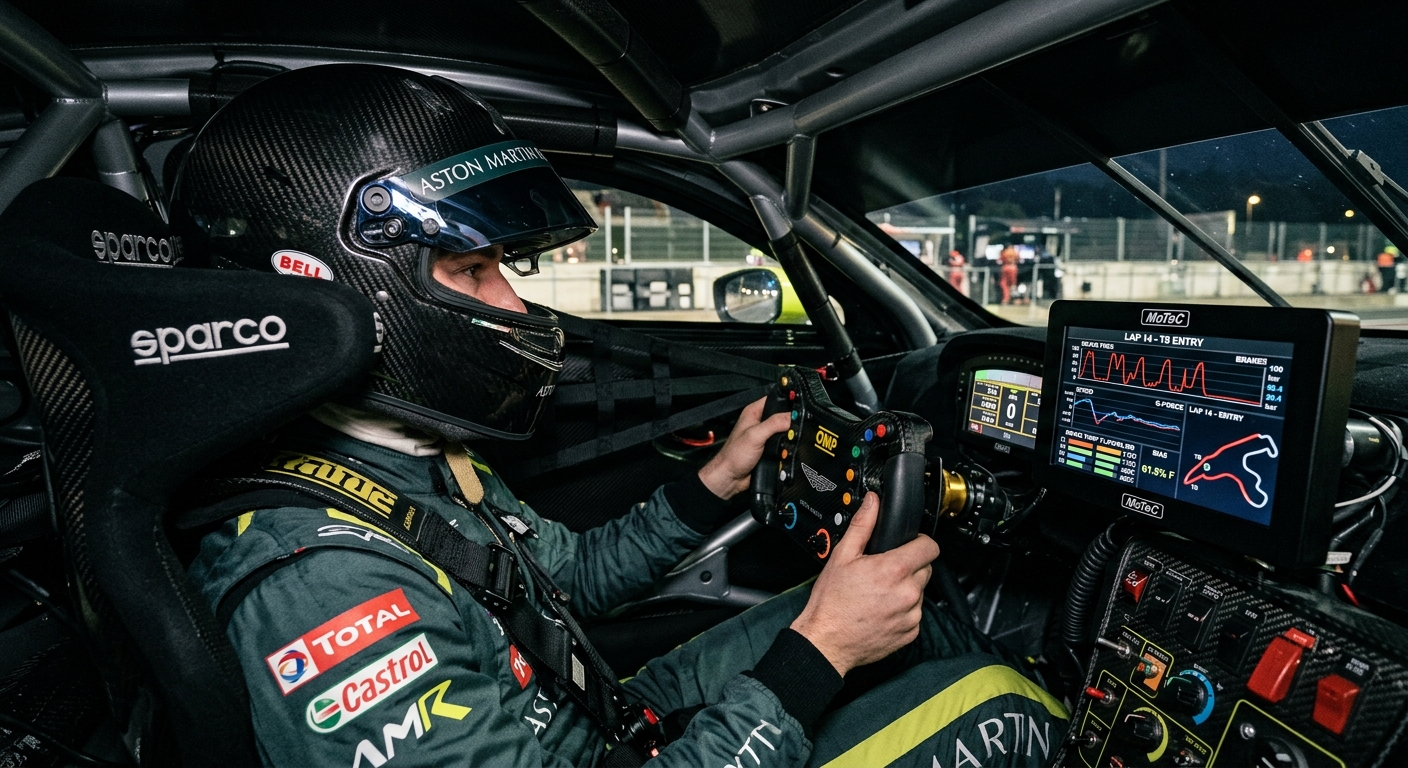
Struggling to find pace in sim racing? Learn the essential techniques of weight transfer, trail braking, and telemetry analysis to move from beginner to consistent racer.
The Beginner Paradox and Mastering the Racing Line
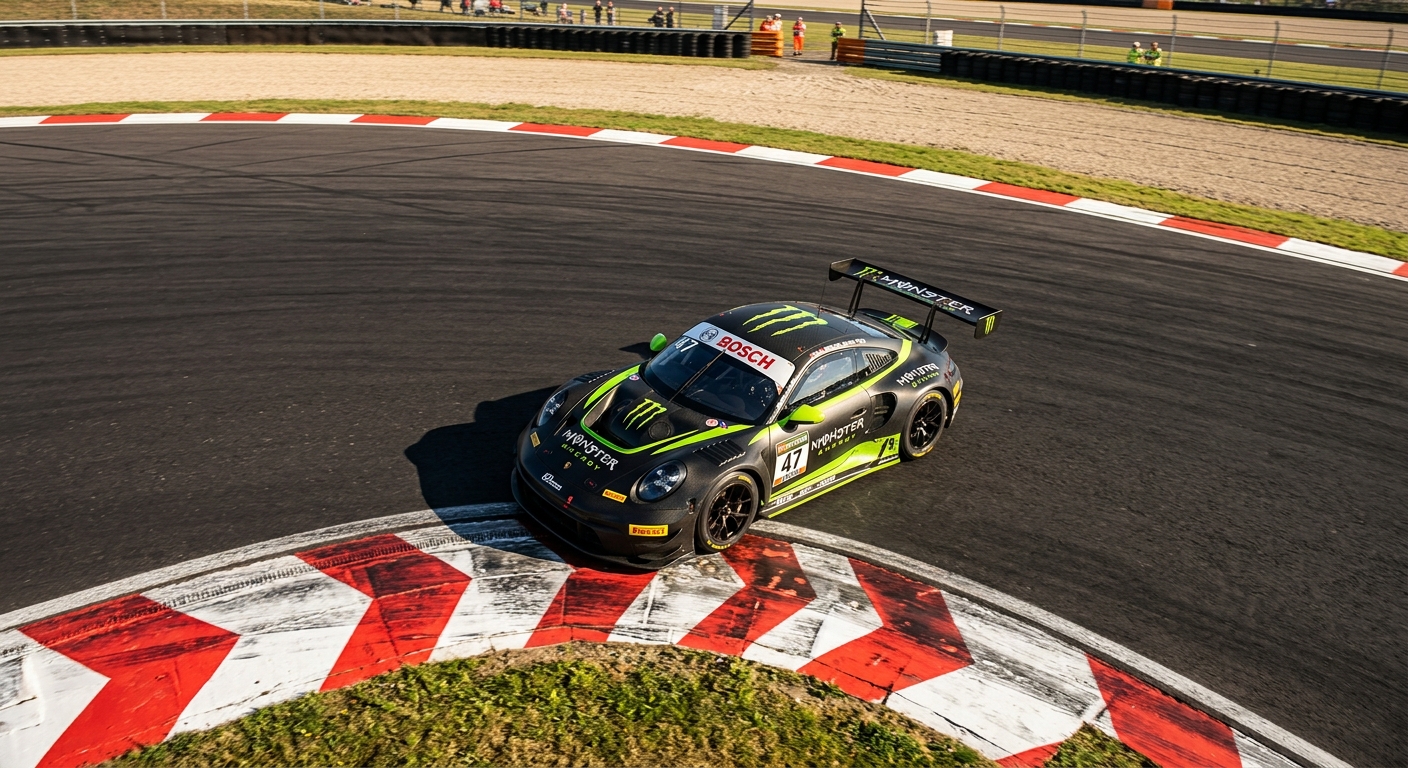
Beginners often think that trying harder means going faster, but in sim racing, aggression often leads to slower lap times. This is the beginner paradox: the more you manhandle the car, the less grip you have. The first step to finding pace is looking beyond the green dynamic racing line assist. Instead of following a glowing path, start identifying static braking markers like distance boards or curbs. By widening your vision and looking through the corner toward the exit, you prepare the car for a better launch, which is where the most significant time is found.
The Science of Smoothness and Weight Transfer
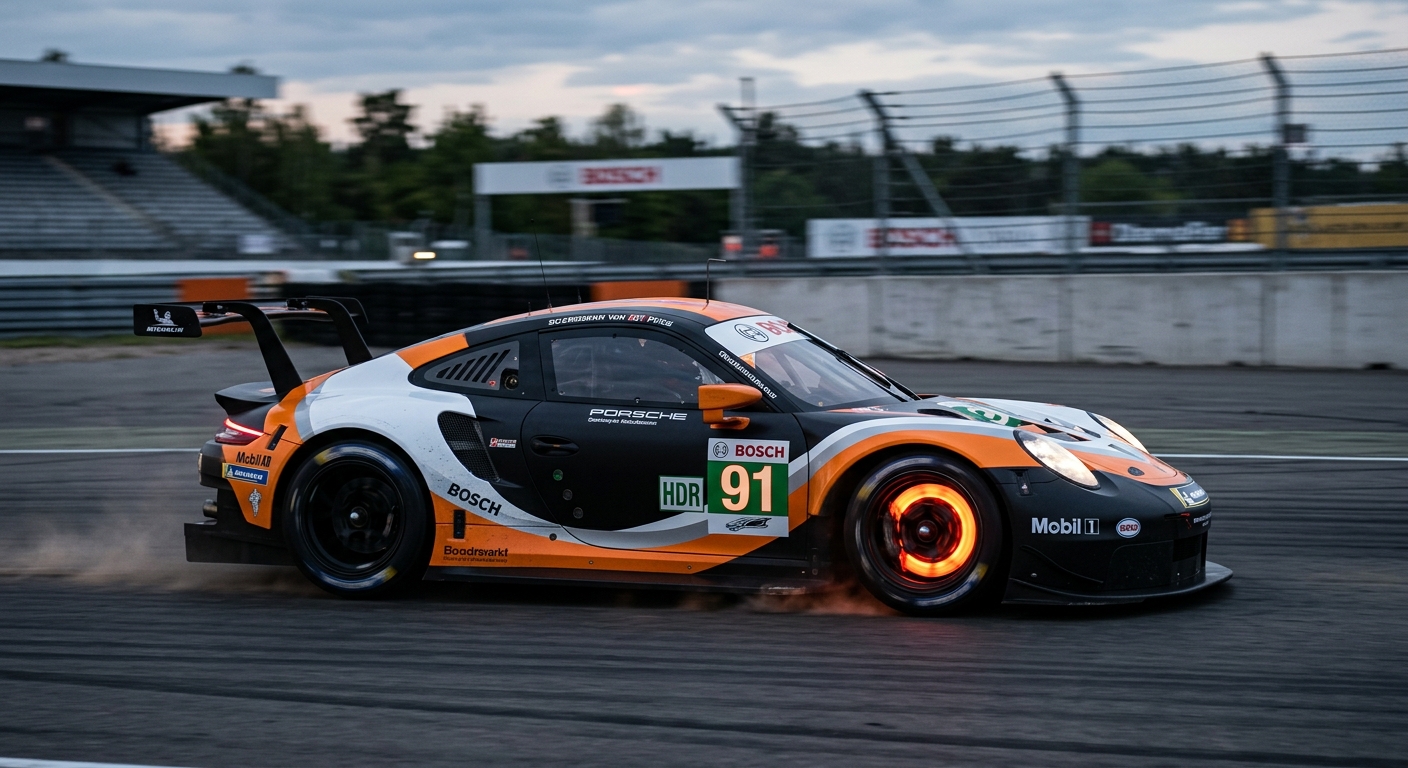
A racing car is a platform in constant motion. Every time you brake, accelerate, or turn, you shift the car's weight. To be fast, you must manage this weight transfer smoothly. Abrupt inputs upset the balance, causing the tires to lose traction. Transitioning away from assists like ABS and Traction Control forces you to feel this balance. By moving to manual sequential shifting, you gain better control over engine braking and car rotation, transforming you from a passenger into a deliberate driver who dictates the car's behavior.
Trail Braking and the Power of Telemetry Data
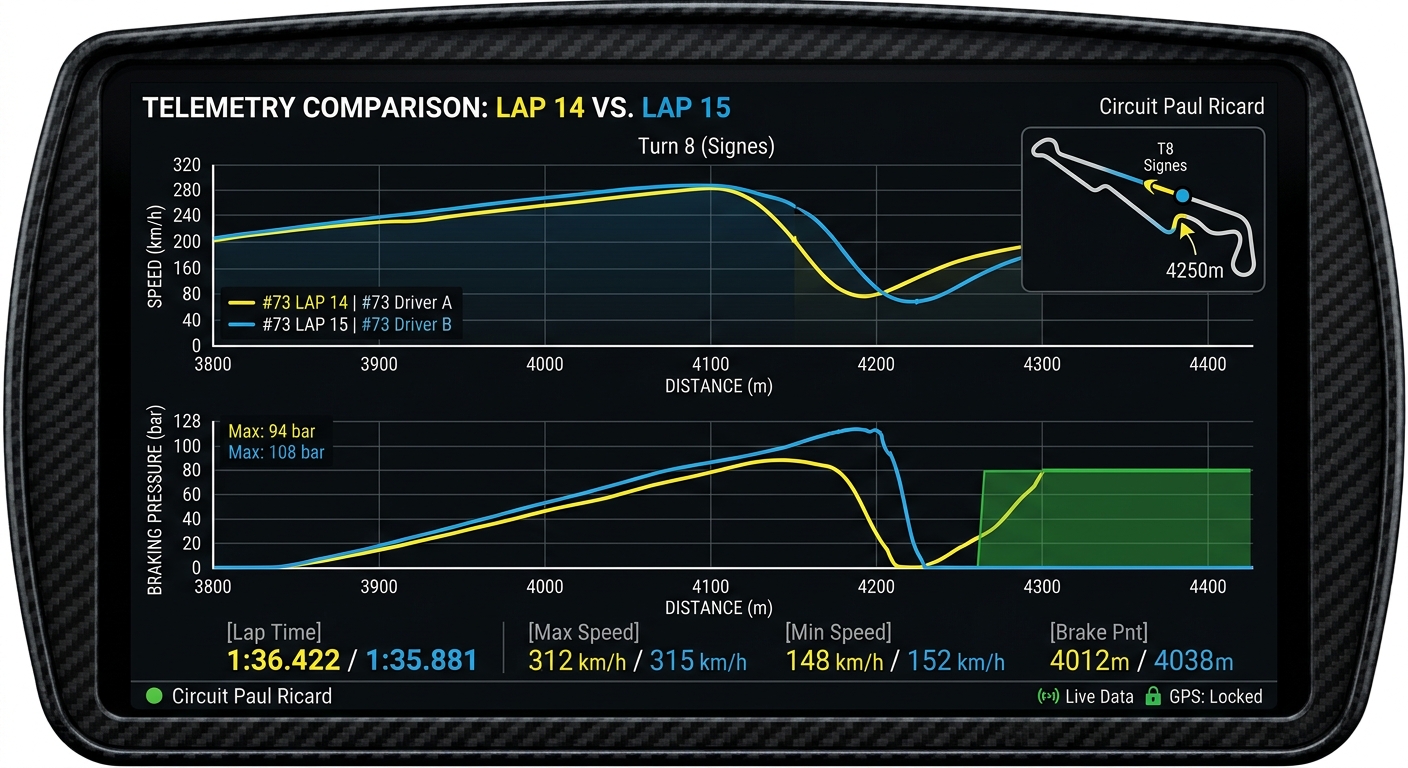
Trail braking is the secret to intermediate pace. It involves gradually releasing the brake as you turn into the corner, using the weight on the front tires to help the car rotate toward the apex. While it feels counterintuitive at first, it allows for a higher entry speed. This is where telemetry becomes your best friend. By comparing your braking traces to a faster lap on RaceData, you can see exactly where you are over-braking or losing rotation. Data turns the vague feeling of being slow into a concrete, actionable plan for improvement.
FAQ
Why am I slower when I turn off driving assists?
Assists often hide bad habits by correcting your mistakes automatically. Turning them off requires finer pedal control, which takes time to master but eventually allows for much faster lap times.
Will a Direct Drive wheel make me faster immediately?
Better hardware provides clearer feedback, which helps you learn faster, but it won't fix fundamental errors in your racing line or braking technique. Skill development is always the priority.
What is the most important skill for a beginner to learn?
Consistency is king. Being able to hit the same braking markers and apexes every lap allows you to make small, controlled adjustments to find where the extra pace is hidden.
How do I start practicing trail braking?
Focus on your footwork. Instead of snapping your foot off the brake pedal at the turn-in point, try to slowly bleed off the pressure as you increase your steering angle.
Is telemetry only for professional sim racers?
No, telemetry is even more valuable for beginners. It removes the guesswork by showing you exactly where your inputs differ from a faster driver, saving you hours of aimless practice.
Transform Your Pace with RaceData AI
Ready to see what is actually holding you back on track? Do not let a lack of pace discourage your passion. Upload your laps to RaceData AI today to compare your braking traces against the limit. We help you transform your mistakes into a data-driven roadmap for speed. Stop guessing and start growing your skills now.