Stop Getting Lost: How to Learn Any Assetto Corsa Track 2x Faster
how-to-learn-tracks-faster-sim-racing
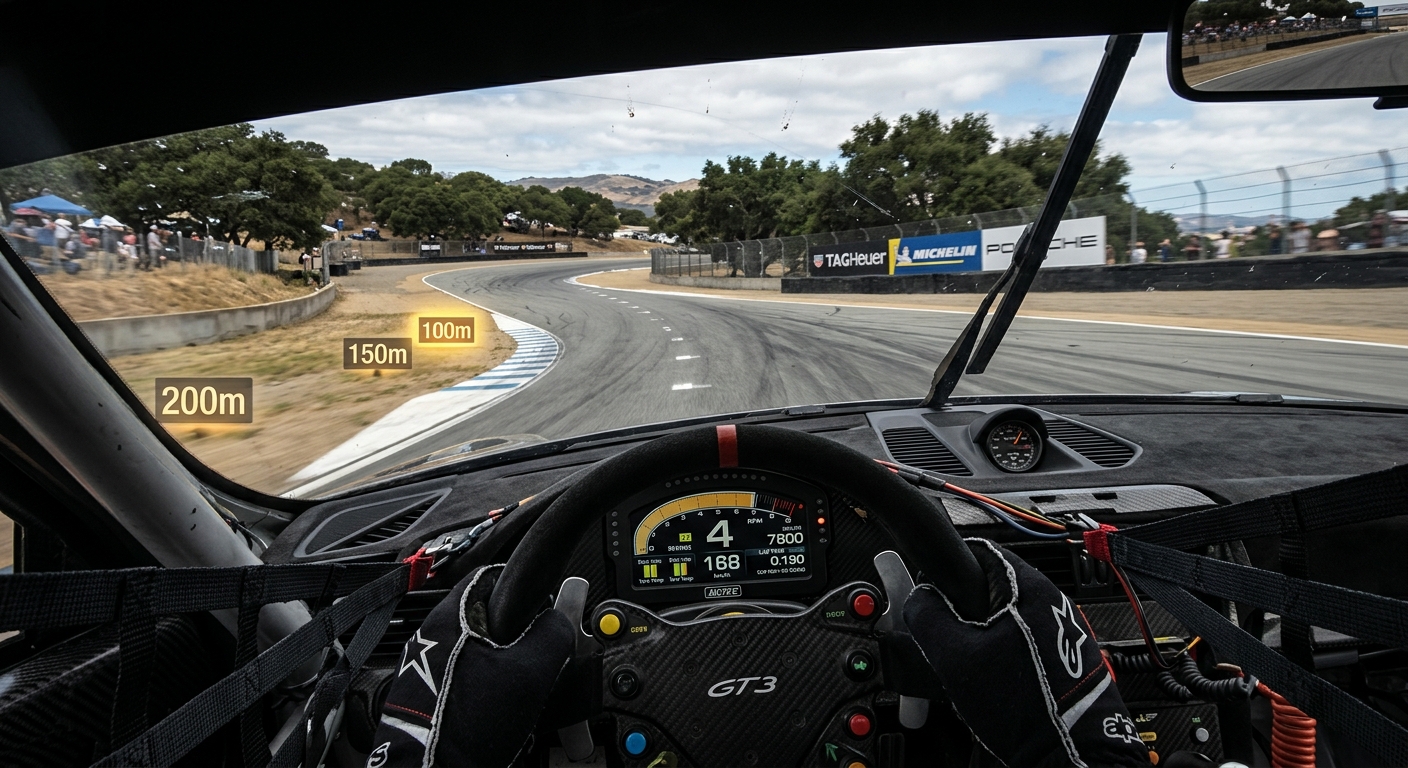
Mastering a new circuit in Assetto Corsa doesn't have to take hours. Learn how to use visual markers, audio cues, and telemetry to slash your track learning time in half.
The Psychology of Track Memorization: Why You Are Struggling
Many drivers struggle because they try to memorize the track as a single, continuous ribbon of road. In reality, your brain needs to process hundreds of individual cues every minute. When you are unfamiliar with a track, you experience sensory overload, which leads to late braking, missed apexes, and inconsistent lap times. By recognizing that track learning is a process of building a mental map, you can focus on identifying key landmarks rather than just reacting to what you see. Understanding the psychology of the learning gap helps you stay calm and focused during those initial messy laps.
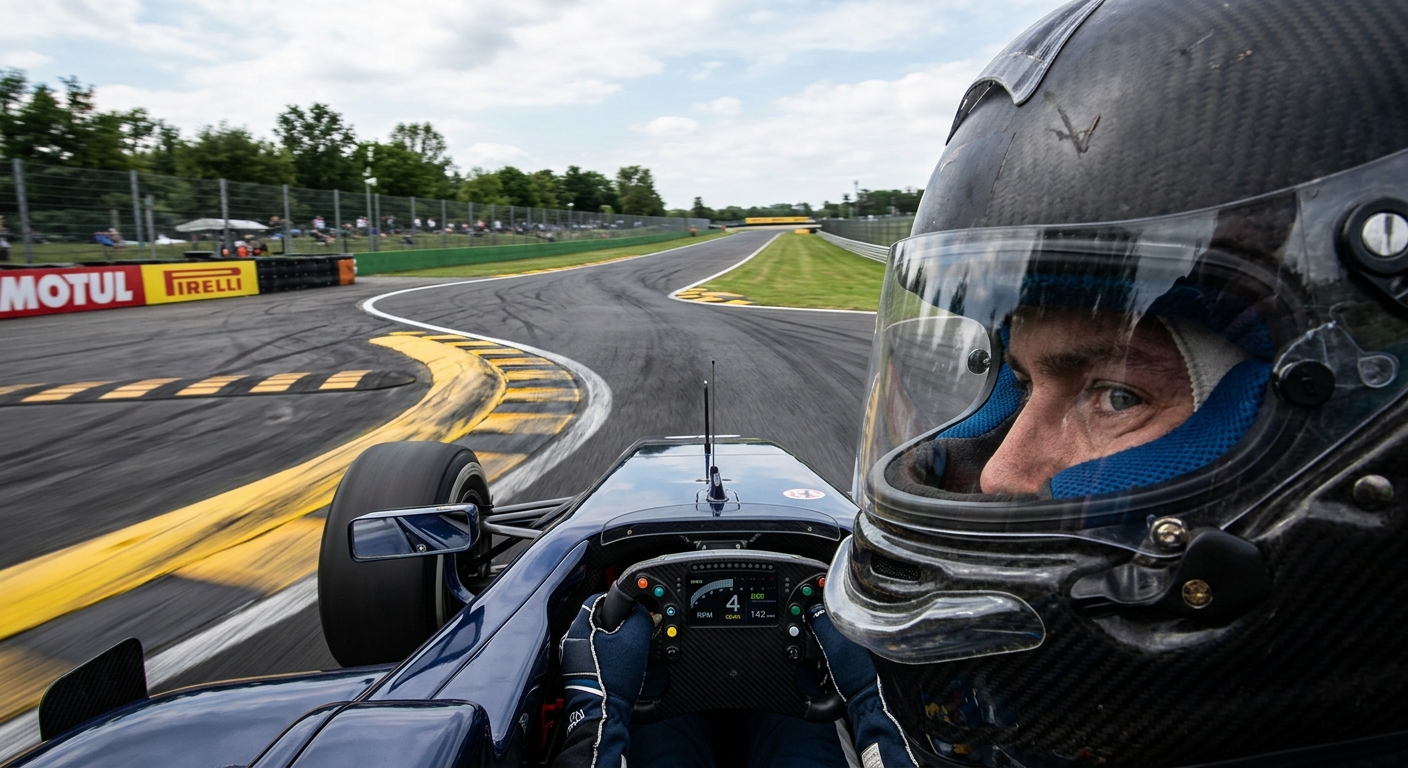
Visual Markers vs. Audio Cues: The Mental Co-Driver
Successful drivers rely on visual reference points like distance boards, curb shapes, and even specific patches on the asphalt. To speed up the process, adopt a rally-style mental model. Create internal audio cues for each corner, essentially developing your own mental pace notes. Instead of just seeing a turn, tell yourself 'Fast Left, 50-meter brake.' This verbal reinforcement bridges the gap between visual input and physical execution. These audio 'triggers' help automate your responses, allowing you to manage the constant bombardment of corner information more effectively.

Using Telemetry to Verify Your Track Knowledge
Don't try to learn the whole lap at once. Master the circuit sector by sector, ensuring you understand the flow of one section before moving to the next. Once you feel comfortable, use telemetry to verify your knowledge. In RaceData, look specifically for line variance. If your racing line changes significantly between laps in a specific section, it is a clear sign that you have not yet fully memorized that part of the circuit. High variance indicates a lack of confidence, showing you exactly where you need to spend more practice time.
FAQ
What is the fastest way to learn long tracks like the Nordschleife?
Break the track into small, manageable sections and master them one by one rather than trying to memorize the entire 20km lap at once.
Should I use the virtual racing line aid while learning?
No. The virtual line prevents you from looking for permanent trackside markers, which actually slows down long-term memorization and consistency.
How do I find reliable braking points?
Look for static objects that won't move, such as distance boards, changes in curb color, or shadows across the track.
Can telemetry really help a beginner learn a track?
Yes. It shows you if you are braking at different spots every lap, which is the primary indicator that you haven't memorized the corner yet.
How long should I practice a new track in one session?
Short, focused sessions of 20-30 minutes are more effective for memory retention than grueling multi-hour marathons.
Ready to Verify Your Track Knowledge?
Upload your latest practice laps to RaceData. Our AI analysis identifies high line variance in real-time, showing you exactly which corners are still slowing you down so you can master any track faster.