Is the iRacing Caterham Actually Hard to Drive? A Guide to Mastering the Season 4 Physics
iracing-caterham-guide-season-4-physics
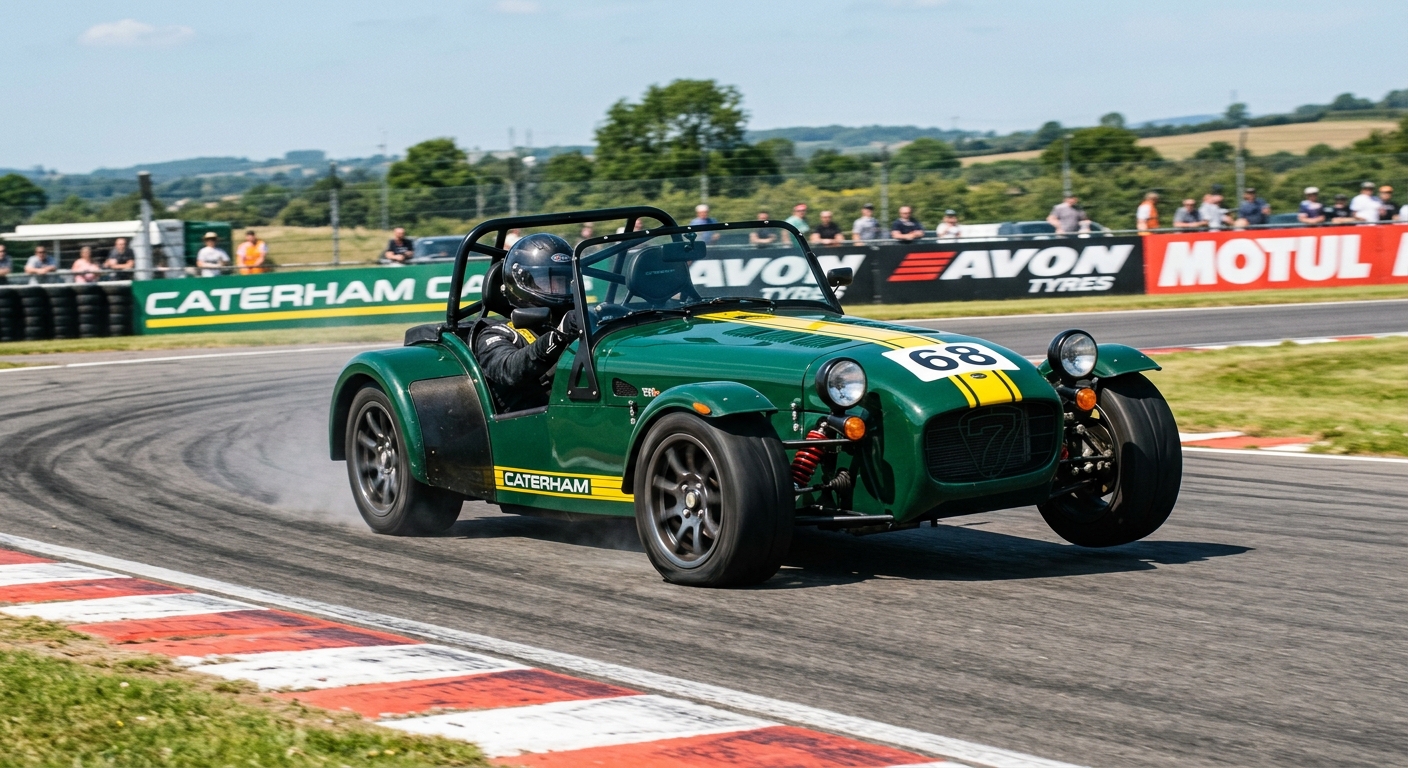
Learn how to master the iRacing Caterham Academy and 420R following the Season 4 hotfix. Discover techniques to manage oversteer and improve your lap times with telemetry data.
Physics and the Hotfix: Why the Rear Axle Matters
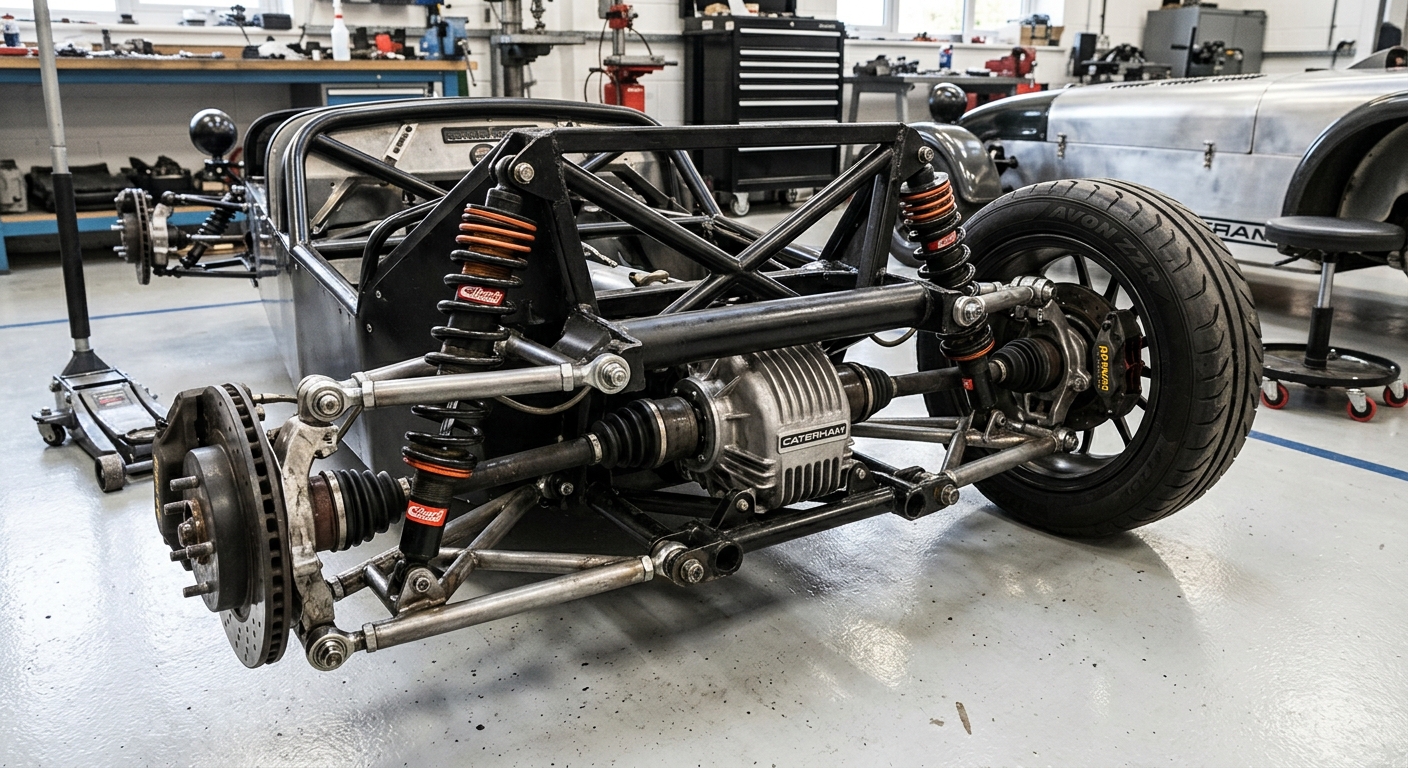
The Caterham is defined by its low mass and high power-to-weight ratio. Before the September hotfix, many drivers reported a 'floating' sensation where the rear axle felt disconnected during high-speed transitions. The update addressed rear suspension geometry, providing more consistent rear axle translation. This means the car is now more predictable when weight shifts, but it still requires a delicate touch. You must respect the mechanical grip limits, as the car lacks the aerodynamic downforce found in GT3 or formula cars. The hotfix makes the limit more 'catchable,' but the car still demands precise inputs to avoid snap oversteer.
Academy vs. 420R: Mastering Cornering Techniques
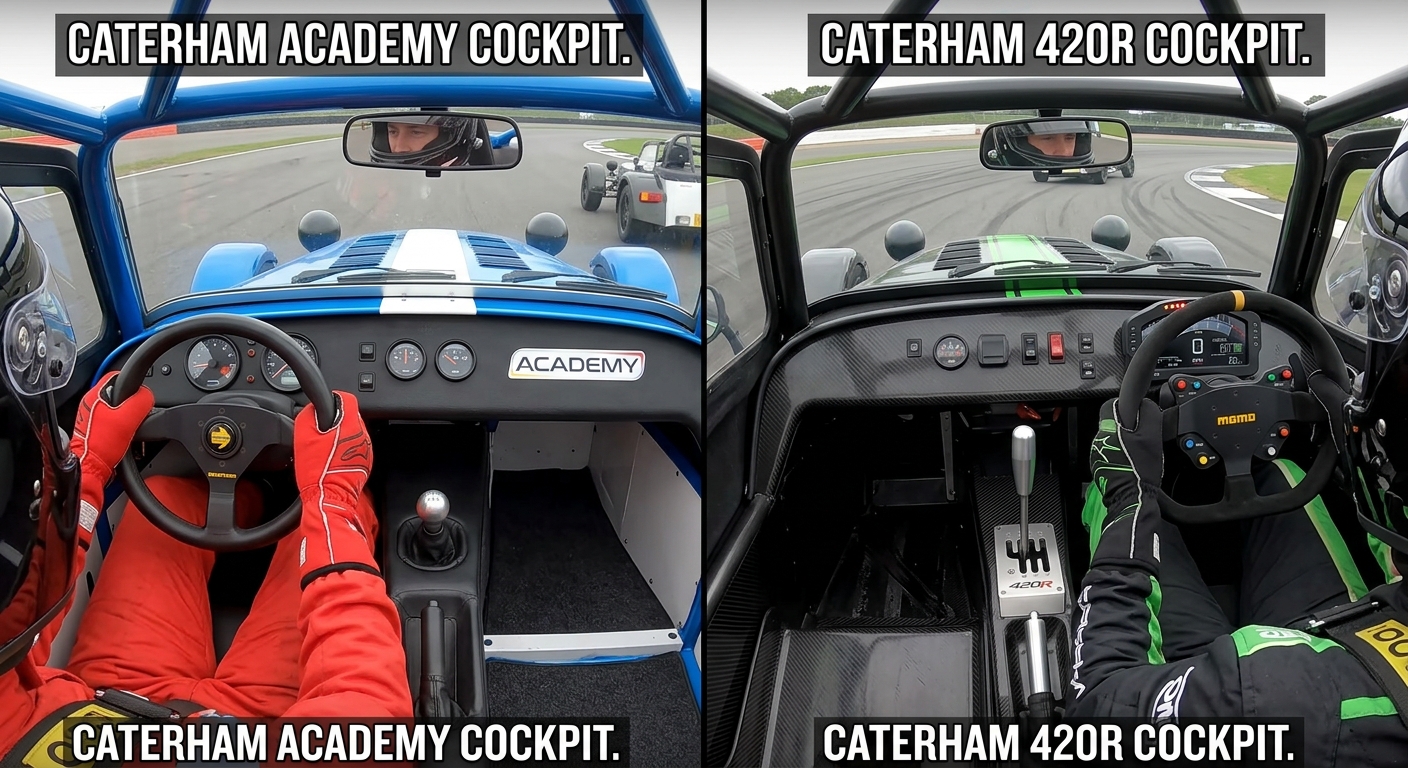
The Academy car serves as an excellent introduction to momentum racing, featuring lower power and more forgiving tires. In contrast, the 420R is a high-performance beast with a sequential gearbox that requires a shift in mindset. Trail braking is essential for both, but the 420R demands much more discipline on corner exit. You must wait for the car to settle before aggressively applying throttle. A common mistake is treating the 420R like a modern GT car; instead, you should use the throttle as a secondary steering wheel to gently rotate the car mid-corner without overwhelming the rear tires.
Common Pitfalls and the Role of Telemetry
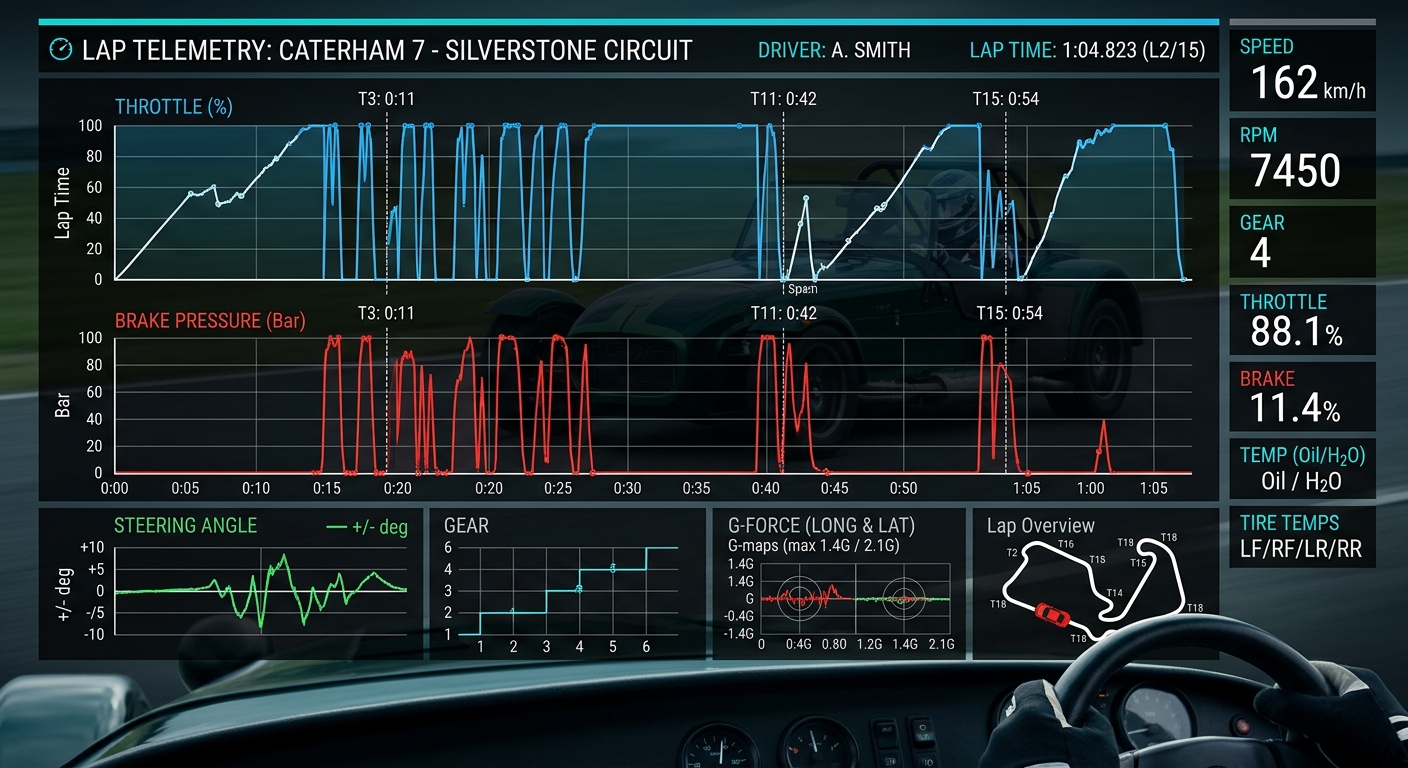
Many spins in the Caterham occur because drivers attack curbs too aggressively or over-correct during a slide. Because the suspension travel is limited, hitting a tall curb can easily upset the chassis balance and send you into a spin. To fix these issues, telemetry is your best tool. By analyzing your throttle and brake traces in RaceData, you can see if you are 'stabbing' the pedals rather than rolling onto them. Telemetry allows you to compare your inputs against the car's yaw rate, helping you identify exactly where you are overdriving the tires or reacting too late to a slide.
FAQ
What did the September 11th hotfix actually change?
The hotfix focused on rear axle translation and suspension geometry. It made the rear end of the car feel more connected and predictable during weight transfer, reducing the frequency of 'unexplained' snap oversteer.
Why is the Caterham 420R so much harder than the Academy car?
The 420R has significantly more power, different tires, and a sequential gearbox. The extra torque makes it much easier to break traction at the rear, requiring more refined throttle control.
How should I handle curbs in the Caterham?
Avoid tall or aggressive curbs. The Caterham has stiff, short-travel suspension. Striking a curb mid-corner can lift the wheels and cause an immediate loss of control.
What is the best way to stop the car from spinning on corner exit?
Focus on straightening the steering wheel as you apply throttle. If you apply heavy power while still carrying a significant steering angle, the rear will step out almost instantly.
Can telemetry help me improve in the Caterham?
Yes. Telemetry is vital for seeing how your inputs affect the car's balance. It helps you identify 'noisy' throttle inputs that are upsetting the rear end.
Master Your Caterham Inputs with RaceData
Don't let the 420R's snap oversteer ruin your SR. Use RaceData AI telemetry to visualize your driving and find the perfect balance between aggression and stability. Compare your data with the community and start climbing the leaderboards today.