iRacing Prototype Performance: Mastering Hybrid Systems vs. Pure ICE Power Delivery
iracing-hybrid-systems-vs-ice-guide
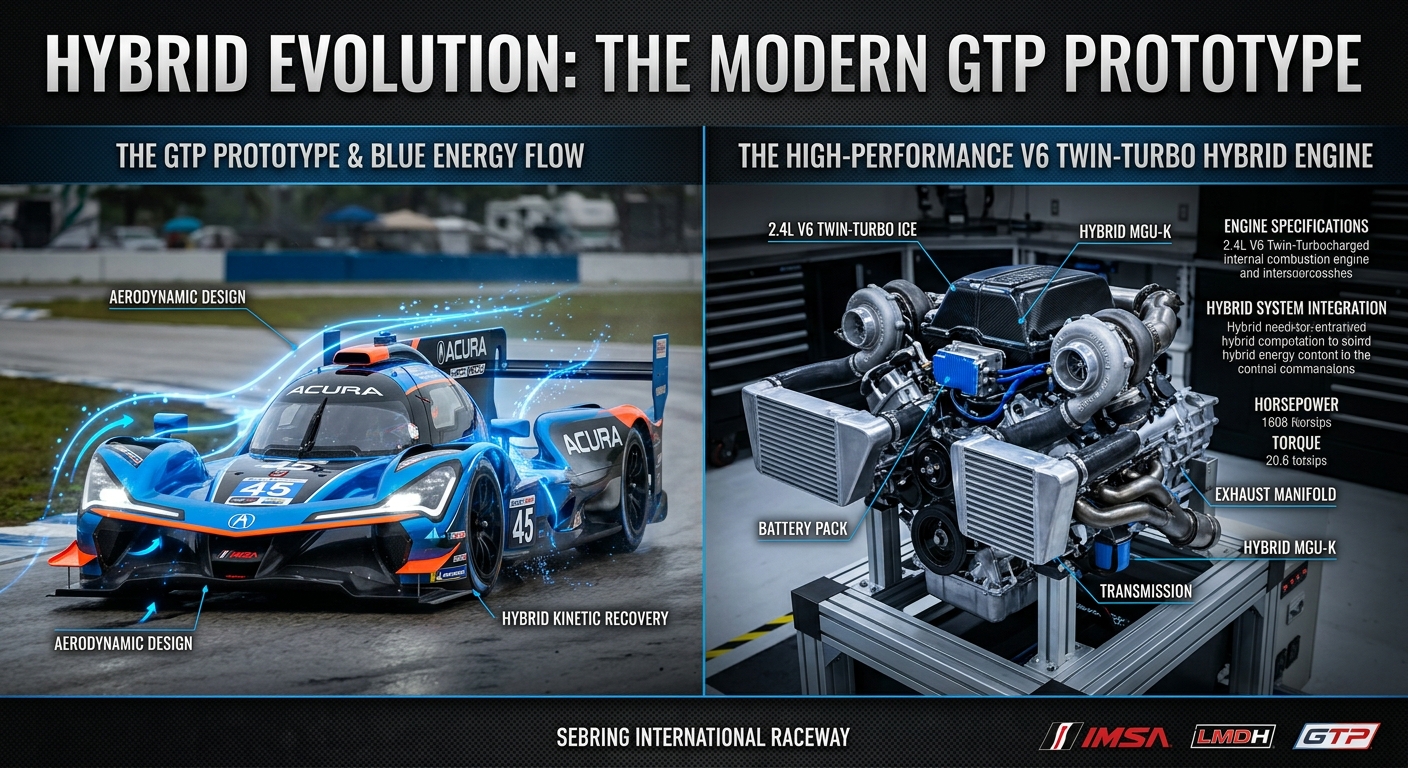
Master hybrid energy management in iRacing. Learn how GTP LMDh systems differ from pure ICE power like the Valkyrie to optimize your lap times using professional telemetry data.
Understanding iRacing’s Hybrid Systems and MGU-K
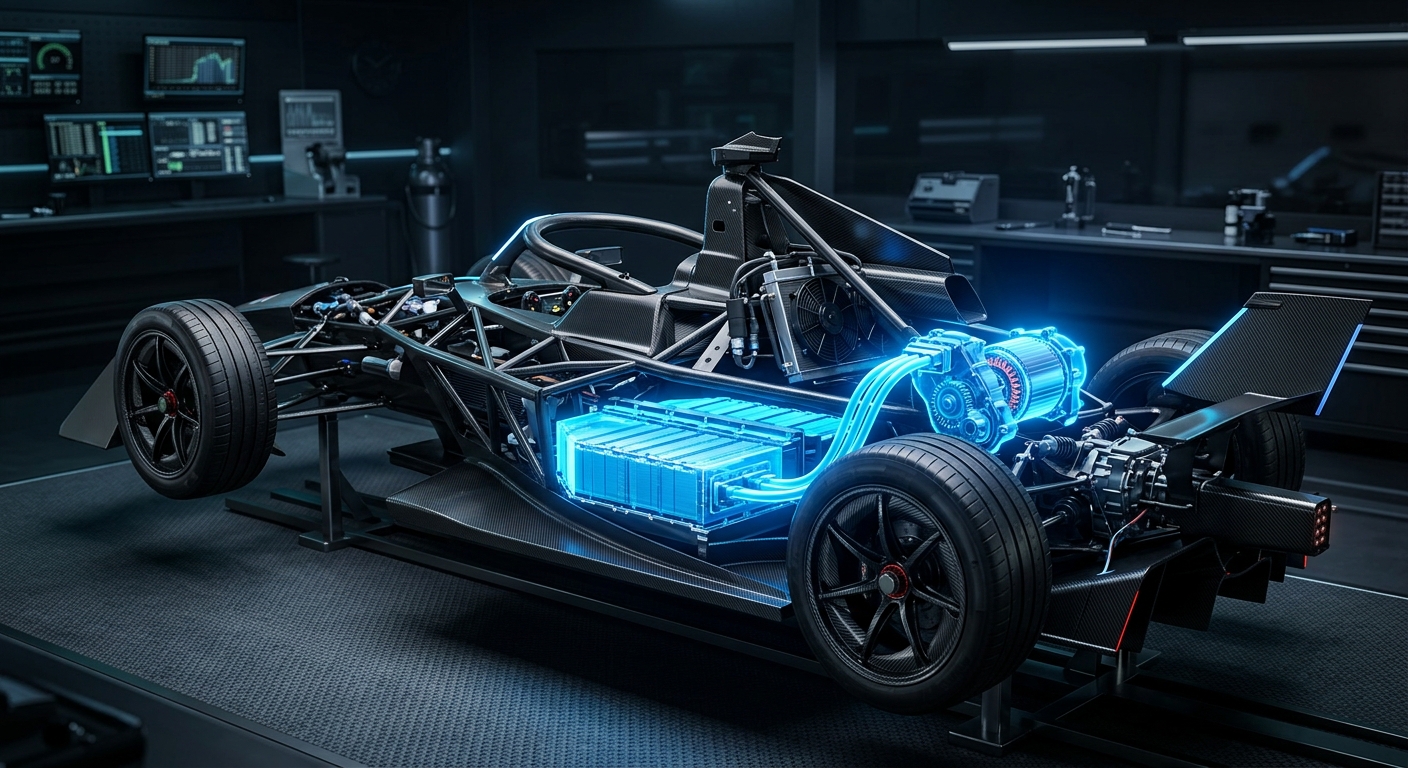
At the heart of a hybrid prototype is the Motor Generator Unit-Kinetic (MGU-K). Unlike a standard engine, the MGU-K can both provide additional horsepower and act as a generator during deceleration. In iRacing, this system is governed by a State of Charge (SOC) which represents the battery level. When you apply the throttle, the MGU-K provides 'torque fill,' adding electric power to the mechanical output of the engine. This is particularly noticeable at low speeds where traditional engines might struggle with turbo lag or lower RPM torque. Mastering this deployment requires a balance of aggressive exits and sustainable energy usage.
Braking, Harvesting, and the Harvester Effect
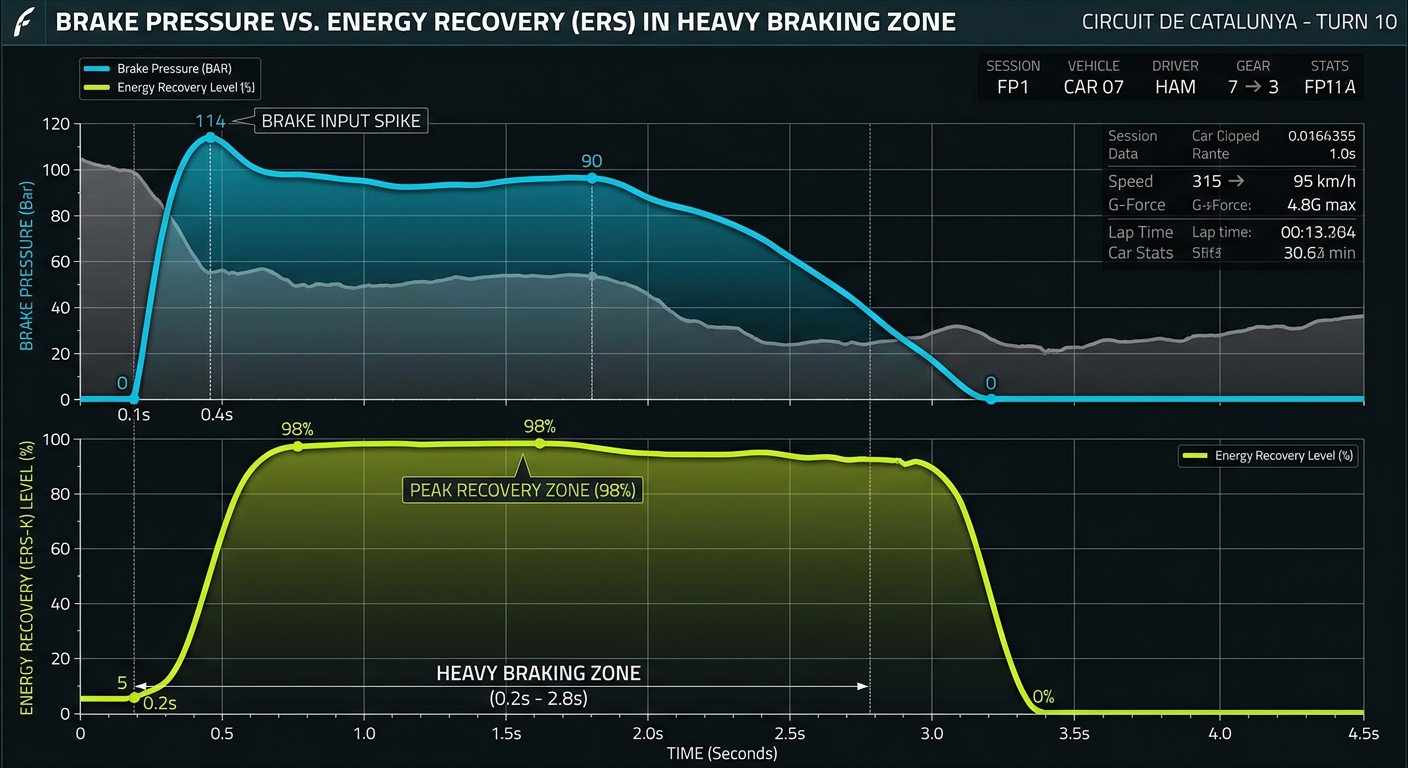
One of the biggest adjustments for drivers moving from pure ICE cars to hybrids is how the car behaves under braking. In a car like the upcoming Valkyrie, braking is purely a mechanical and aerodynamic affair. However, in a GTP car, the MGU-K creates significant drag on the rear axle as it 'harvests' energy to recharge the battery. This is often called the harvester effect. This additional resistance can change your brake bias requirements and affect trail braking stability. If the harvesting is too aggressive, it can cause the rear to snap during corner entry, requiring careful adjustment of your brake migration settings.
Optimizing Lap Times with SOC Telemetry
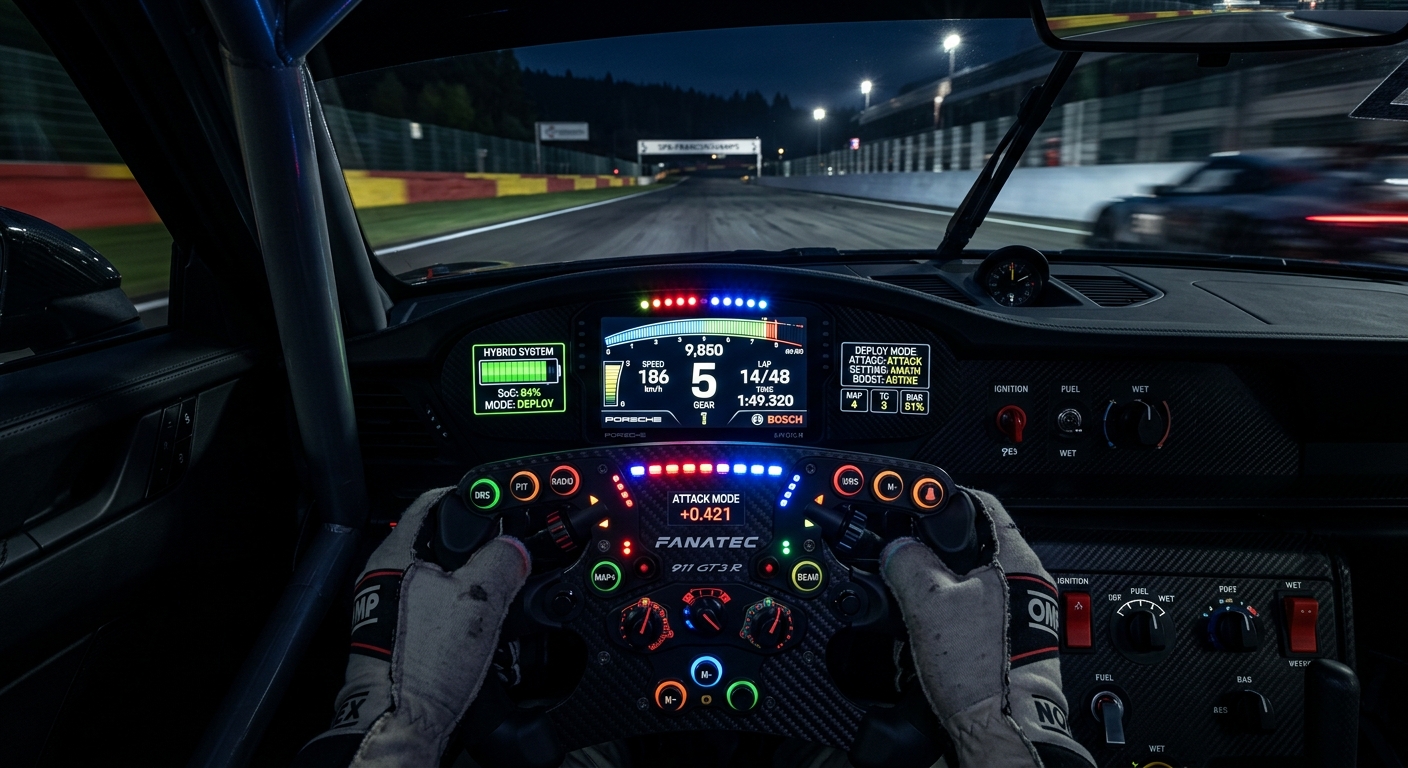
To truly excel in hybrid racing, you must use telemetry to track your State of Charge (SOC) throughout a lap. The goal is to maximize deployment in areas that yield the most lap time—typically long straights following slow corners—while ensuring you do not 'derate' before the end of the straight. Derating occurs when the battery is empty, causing a sudden drop in top speed. By analyzing your SOC curve, you can identify where to lift-and-coast or change deployment modes to ensure you have maximum boost when it matters most for overtaking and defending.
FAQ
What is the primary difference between GTP and pure ICE cars?
GTP cars use a hybrid system that provides extra electric torque and recovers energy under braking, while pure ICE cars rely entirely on mechanical engine power.
How does energy recovery affect my braking?
Energy recovery acts as additional engine braking on the rear wheels, which can improve stopping power but may decrease stability if not balanced correctly.
What is 'derating' in iRacing?
Derating happens when your hybrid battery is depleted, leading to a significant loss of power and top speed on straights.
Does the Valkyrie use a hybrid system in iRacing?
The Valkyrie is designed as a pure internal combustion engine (ICE) car, focusing on high-RPM power and aerodynamics rather than hybrid deployment.
How can I improve my energy management?
Monitor your State of Charge (SOC) in telemetry and adjust your deployment modes to ensure you don't run out of energy on the longest straights.
Optimize Your GTP Energy Management
Stop guessing your energy deployment. Upload your telemetry to RaceData AI today to compare your SOC usage against faster benchmarks and master the hybrid system.