Closing the Gap: Why You're 2 Seconds Off the Pace in the iRacing LMP2
iracing-lmp2-pace-optimization-guide
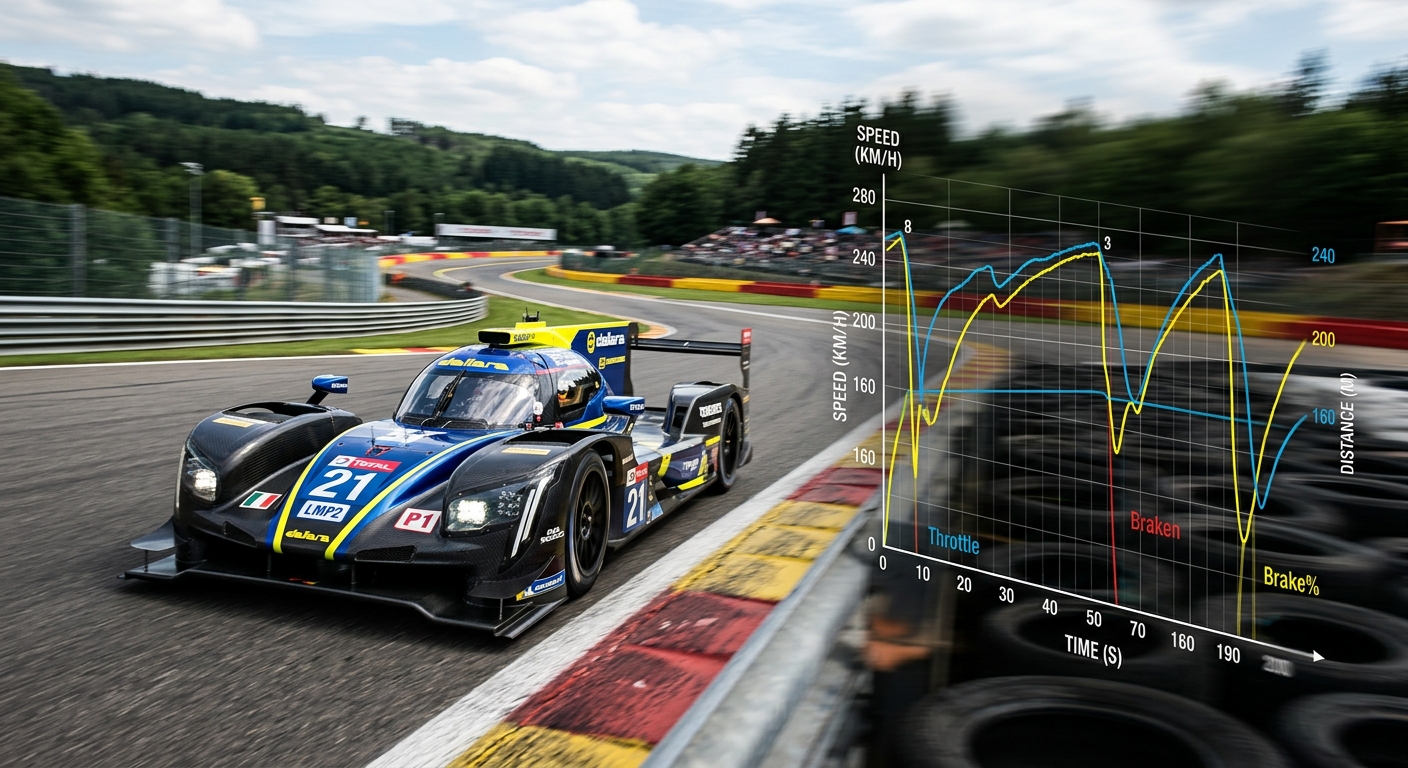
Stuck 2 seconds off the pace in the Dallara P217? Learn how over-driving and the waterfall effect kill your lap times and how to fix them using professional telemetry.
Understeer vs. Over-Driving: Managing the Front End
One of the most common mistakes is carrying too much speed into the corner. In high-downforce cars like the LMP2, aggressive steering inputs often lead to scrubbing the front tires. This creates a mid-corner push that makes the car feel like it won't turn.
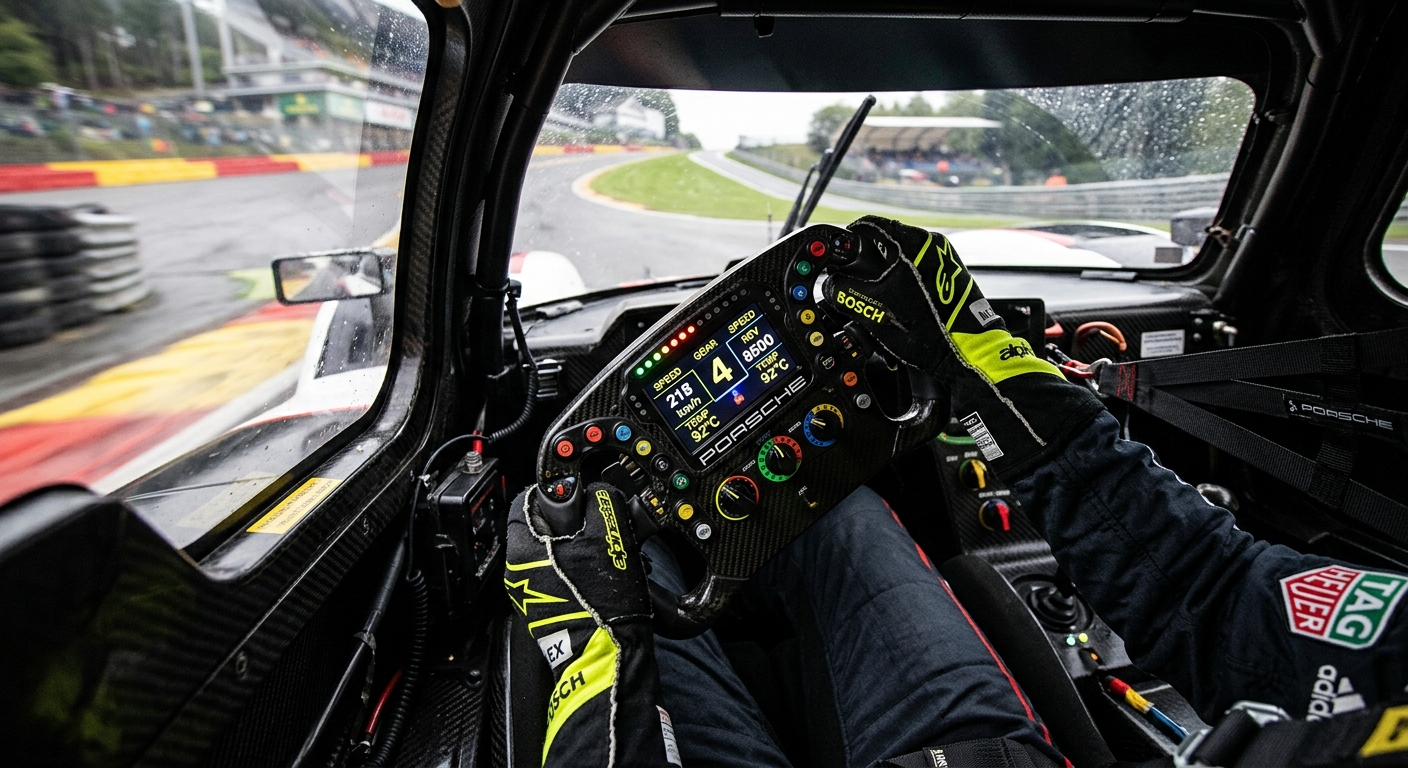
Drivers often respond by adding even more steering lock, which only worsens the understeer. By using telemetry to monitor your steering angle versus your cornering radius, you can identify where you are asking too much of the Dallara's front end. Slowing down your entry hands and allowing the car to settle will often result in a faster mid-corner rotation.
The Waterfall Effect: Why Exit Speed is Everything
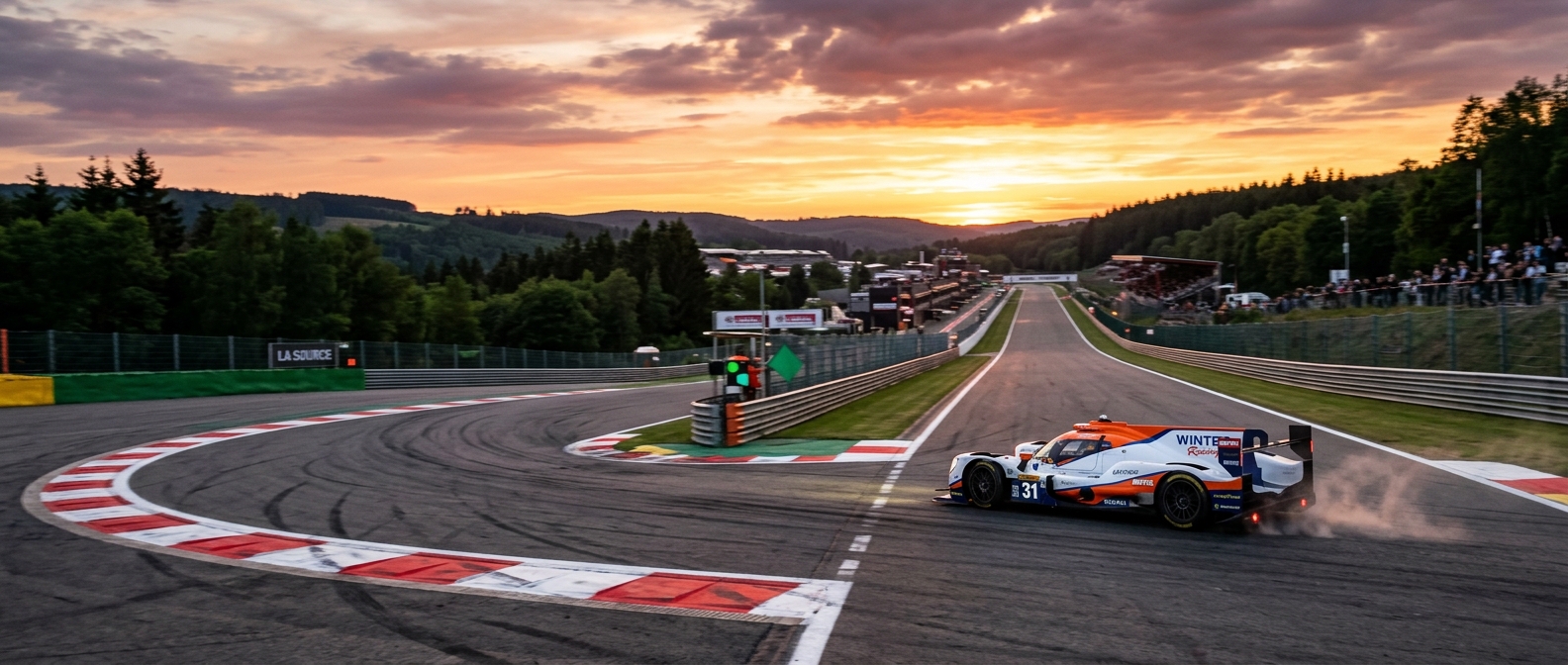
Straight-line speed in the LMP2 is largely determined by how early you can get back to full throttle. This is known as the waterfall effect—a small loss of speed at the apex translates into a massive time loss by the end of the following straight.
Many intermediate drivers prioritize a late braking point over a clean exit. However, the data usually shows that braking five meters later gains you 0.05 seconds on entry but costs you 0.3 seconds by the end of the straight. Focus on squaring off the corner to maximize your acceleration zone and carry that momentum all the way to the next braking zone.
Brake Bias and Data Comparison
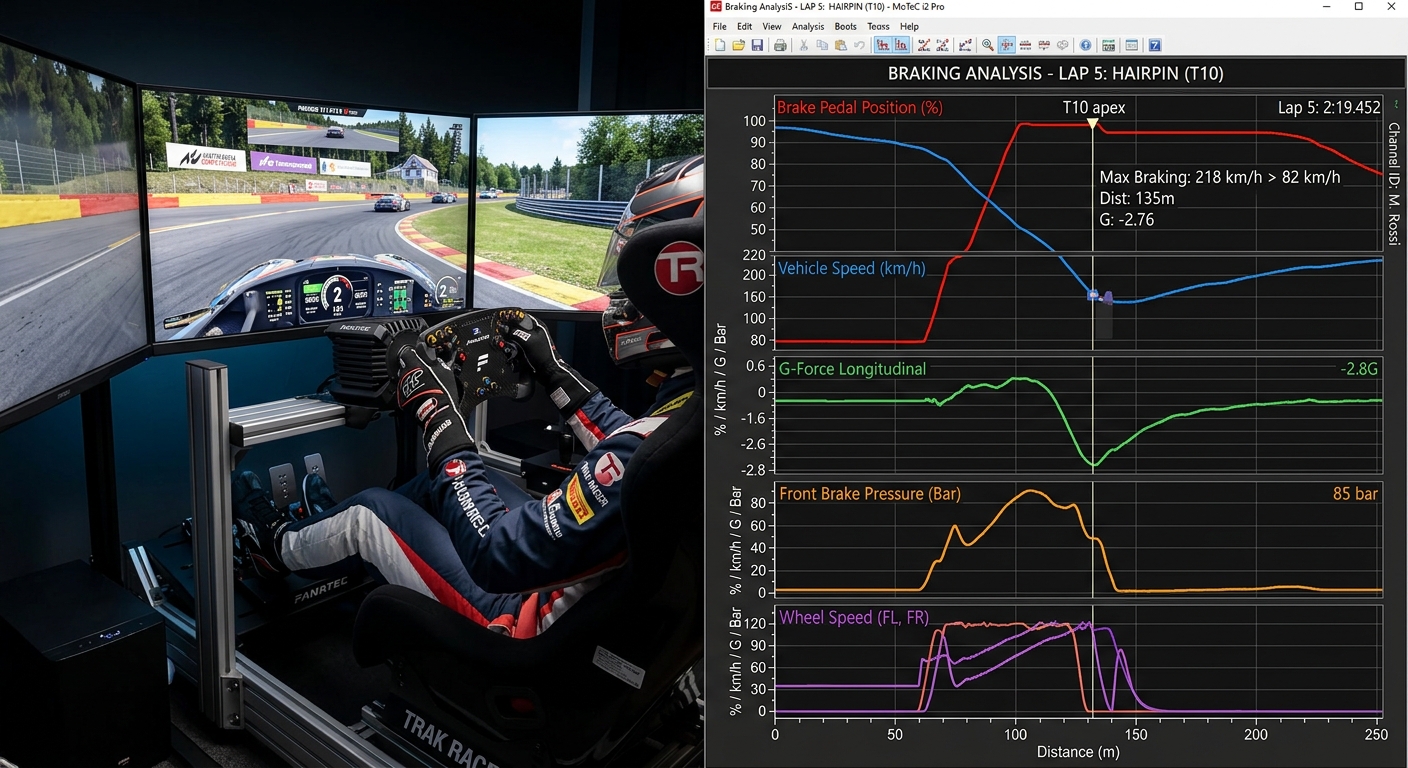
Finding the right brake bias is crucial for consistency in the P217. A forward-heavy bias provides stability but promotes understeer under braking. Most top-tier drivers run a more rearward bias to help rotate the car into the apex.
Using RaceData telemetry, you can compare your braking traces against a reference lap. If you see that your deceleration curve is flatter or that you are locking the fronts prematurely, it is a sign that your bias or pedal technique needs adjustment. Matching the pressure release of a faster driver is often the key to finding those final tenths in the braking zone.
FAQ
Why do I feel slow on the straights in the LMP2?
It is usually not the engine or setup. It is the waterfall effect caused by poor exit speed at the preceding corner.
Is the fixed setup competitive in the LMP2?
Yes, the iRacing fixed setups are very capable. Most pace deficits are caused by driving technique rather than setup flaws.
How do I stop the car from understeering?
Avoid over-driving the entry. Reduce your steering angle and focus on a smoother transition from braking to turning.
What is the best brake bias for the Dallara P217?
Most drivers prefer a range between 50% and 53%. Lower values help rotation but require more precise footwork.
Can telemetry really help me find 2 seconds?
Absolutely. Telemetry highlights exactly where you are losing time, whether through excessive steering or poor throttle timing.
Stop Guessing and Start Growing
Use RaceData’s AI-powered telemetry tools to overlay your laps with the pros. Identify exactly where the waterfall effect is costing you time and master the Dallara P217 today.