I’ve Seen the Light: Why Tire Management is the Secret to Climbing iRacing Splits
iracing-tire-management-guide
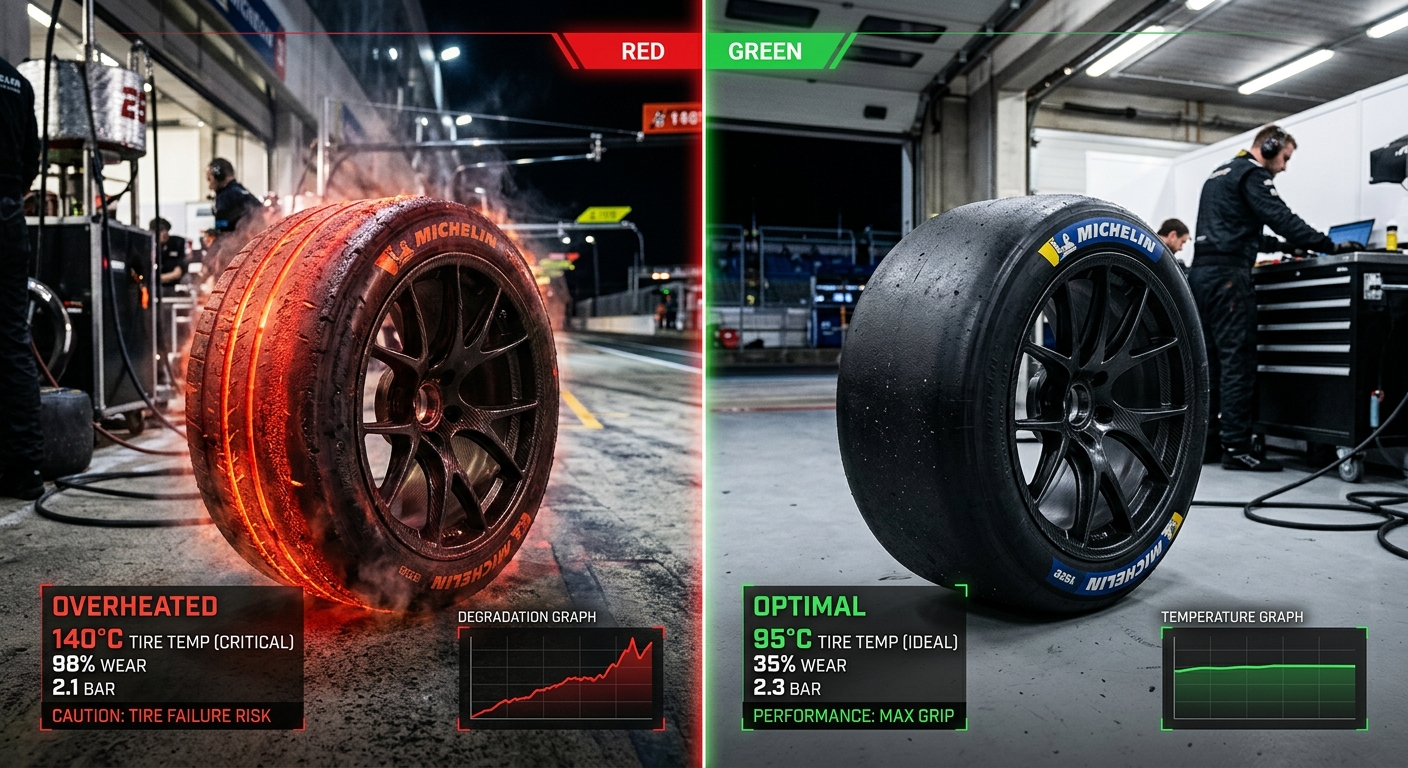
Stop chasing qualifying laps and start winning the long game. Learn how to use telemetry to master tire management and maintain consistent pace throughout your entire iRacing stint.
The PB Trap and the Science of Tire Heat
The biggest mistake beginner and intermediate drivers make is treating every lap like a qualifying run. This creates a cycle of overdriving that leads to surface overheating. When you slide the car through a corner, the tire surface temperature spikes instantly, reducing grip and causing you to slide even more. There is a critical difference between surface temperature and carcass temperature. While surface heat can be managed by backing off for a corner, excessive carcass heat—the heat deep within the tire—is much harder to shed and will permanently degrade your performance for the rest of the stint. Successful drivers focus on maintaining the carcass within its optimal window rather than chasing the fastest possible single-lap time.
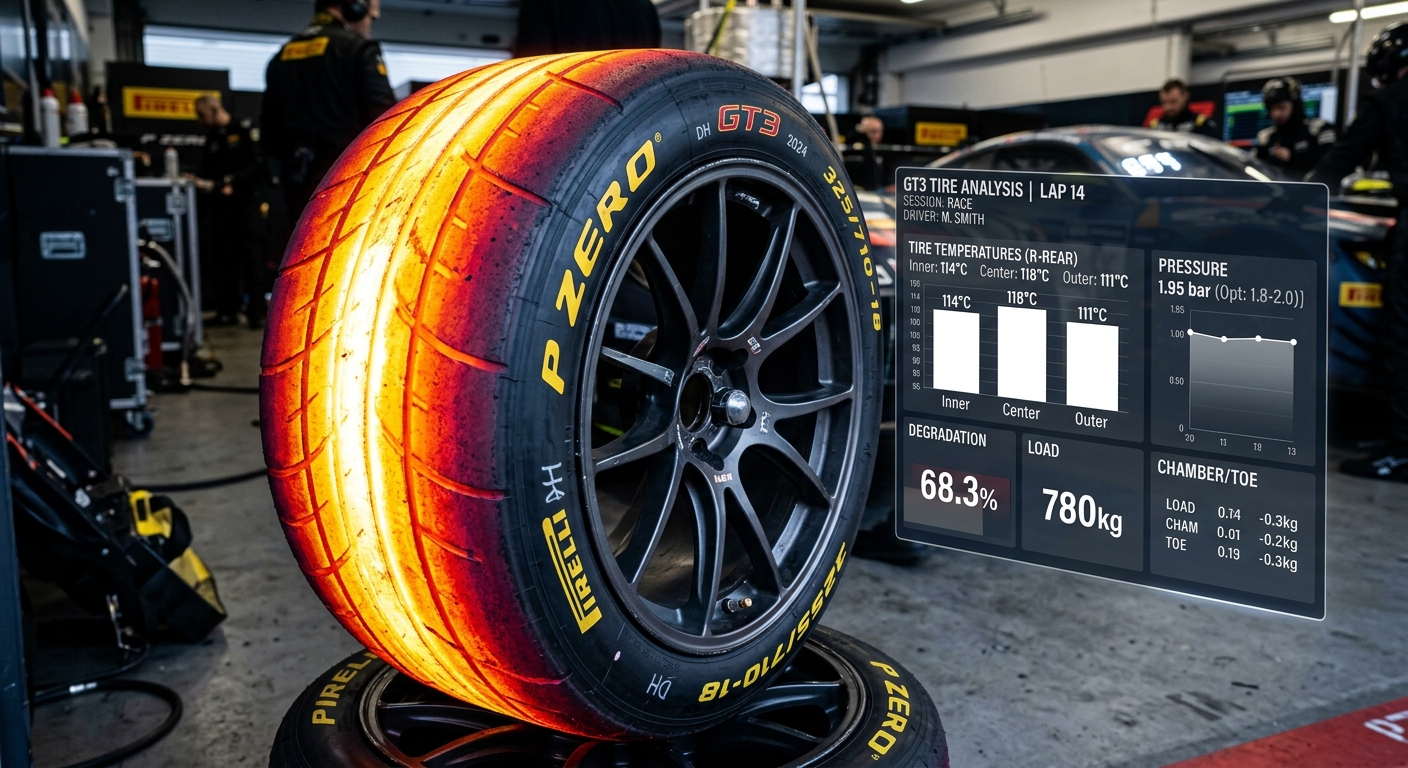
Identifying Overdriving Through Telemetry
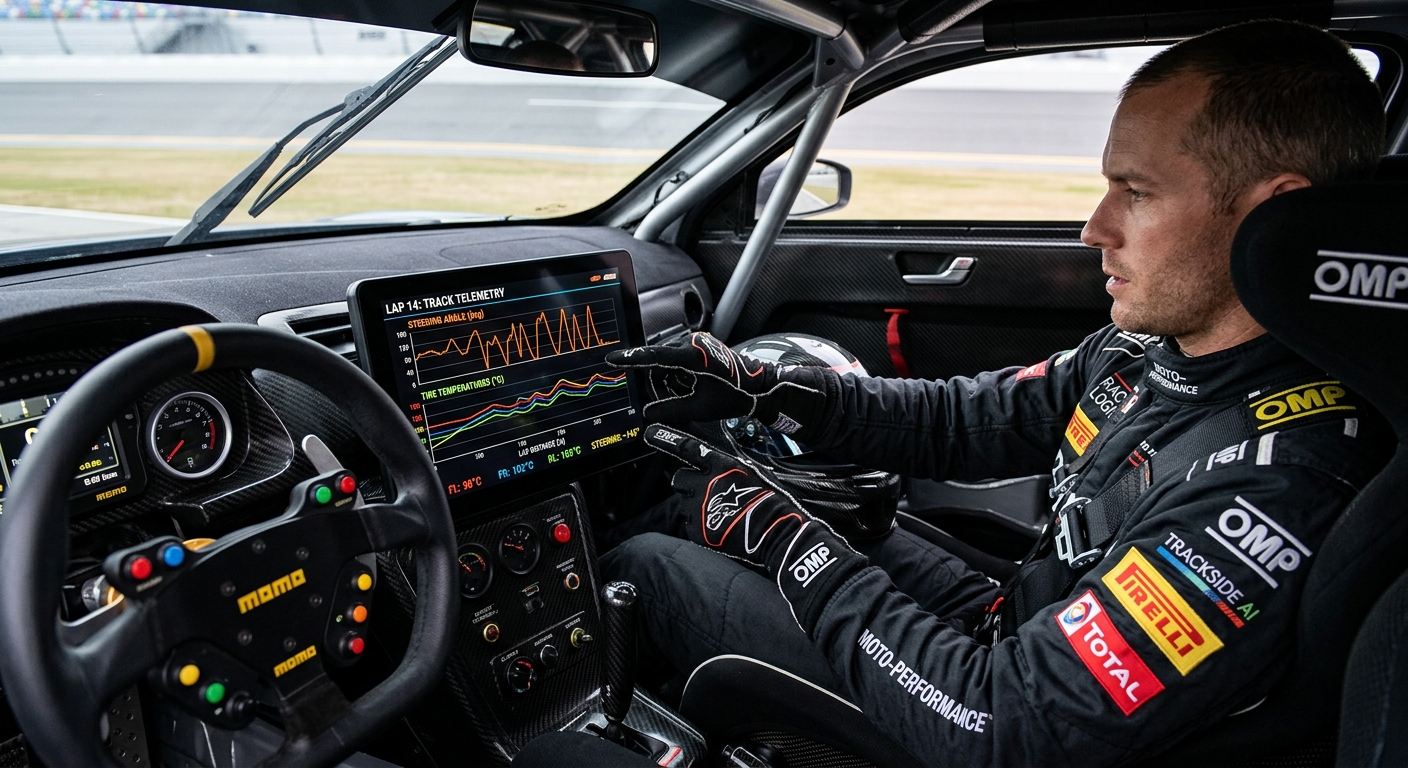
Your telemetry is the most honest coach you will ever have. To identify if you are killing your tires, look at your slip angles and steering traces in RaceData. If you see high steering angles relative to the corner radius, or jerky 'sawing' motions on the wheel, you are asking too much of the front tires. This friction generates heat that kills longevity. You can monitor tire degradation even without a real-time gauge by watching your lap time fall-off relative to your fuel load. To practice this, run a 20-lap test session focusing on smooth inputs. If your tire temperature deltas are narrow between lap 5 and lap 15, you have found the limit without crossing it.
FAQ
Why do my tires get so hot in iRacing?
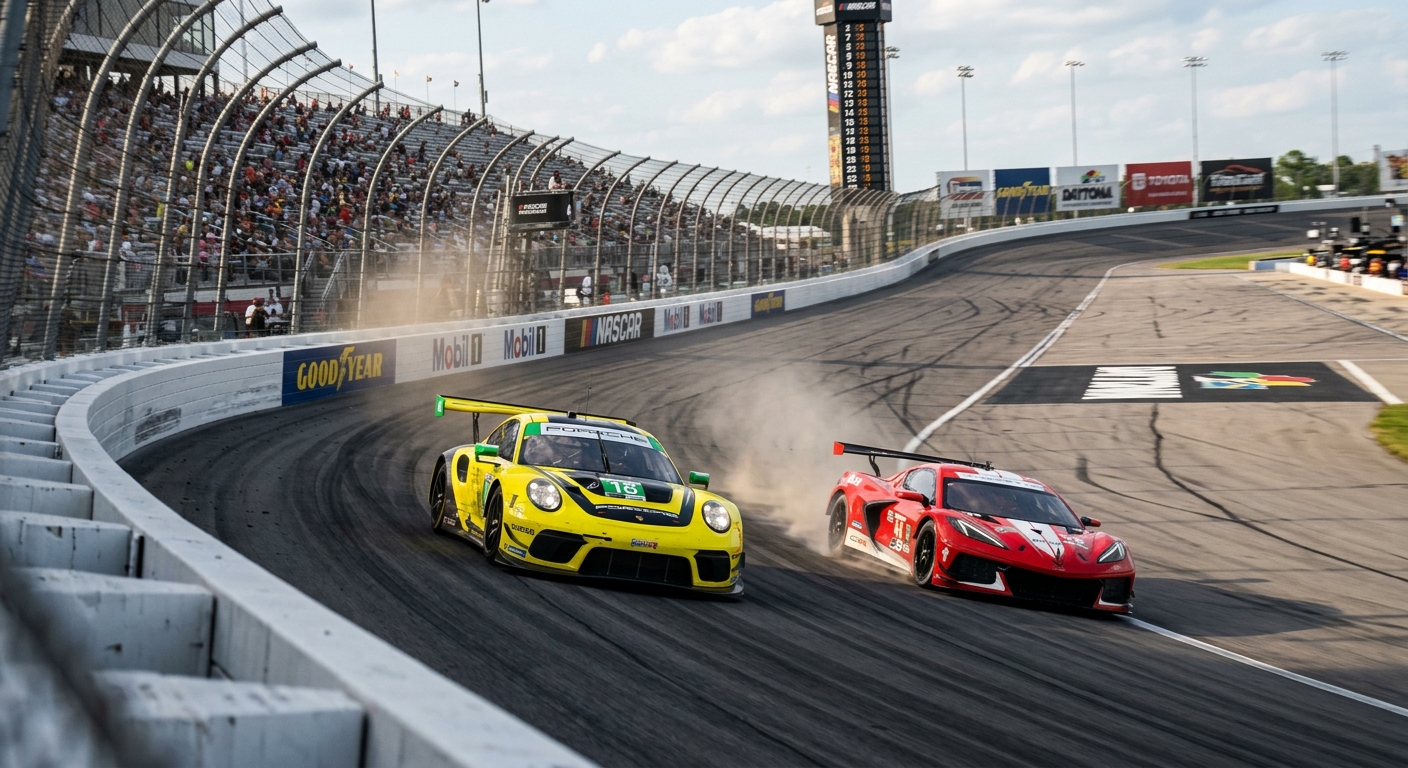
Tires overheat primarily due to excessive slip angles. When you turn the wheel more than the tire can handle, it slides across the pavement, creating friction and rapid surface heat.
How can I tell if I am overdriving without a tire gauge?
Listen for the 'scrubbing' sound of the tires and feel for a loss of front-end bite. If the car feels like it is pushing wide despite more steering input, you are overdriving.
Should I push 100% in the first few laps?
Generally, no. Pushing 100% on cold tires or immediately after the start can overheat the surface, leading to a performance drop-off that lasts the entire stint.
What is a good tire temperature delta?
A consistent driver will ideally keep their tire temperatures within a narrow range (e.g., 5-10 degrees) across a stint, rather than seeing a 20+ degree spike in the first five laps.
Does tire management matter in short sprint races?
Yes. Even in 15-minute sprints, overdriving in the first 5 minutes can lead to a significant loss of pace in the final laps, making you vulnerable to those who managed their tires better.
Master Your Consistency
Analyze your tire temperature deltas over a 20-lap stint with RaceData AI to see exactly when your pace starts to fall off.