New Scans, New Habits: How to Master iRacing’s Season 4 Track and Car Refreshes
iracing-track-updates-guide-season-4
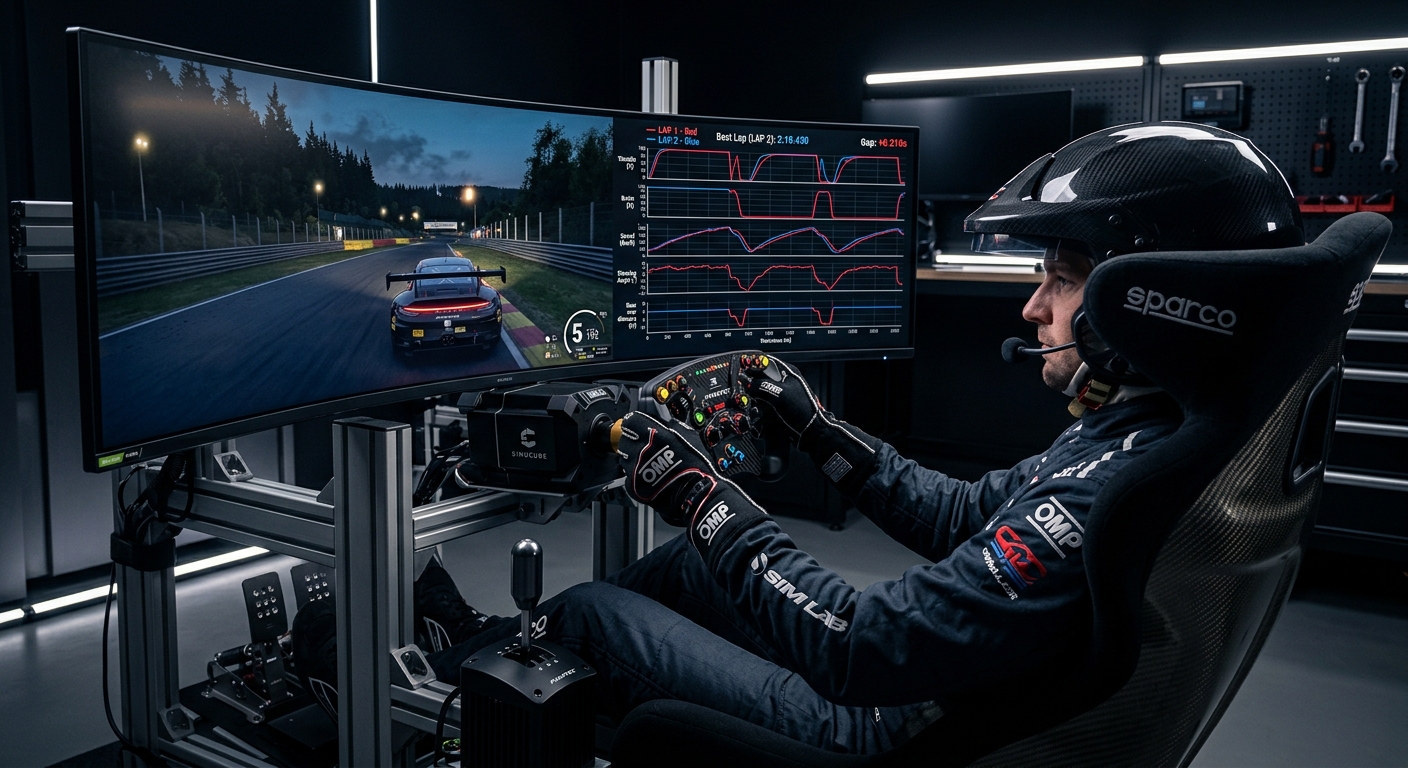
Overcome muscle memory and master iRacing's Season 4 updates. Learn how to use telemetry to adapt to the new Road America, Mid-Ohio scans, and the Mazda MX-5 physics refresh.
Why Re-Scanned Tracks Are More Than Just a Visual Update
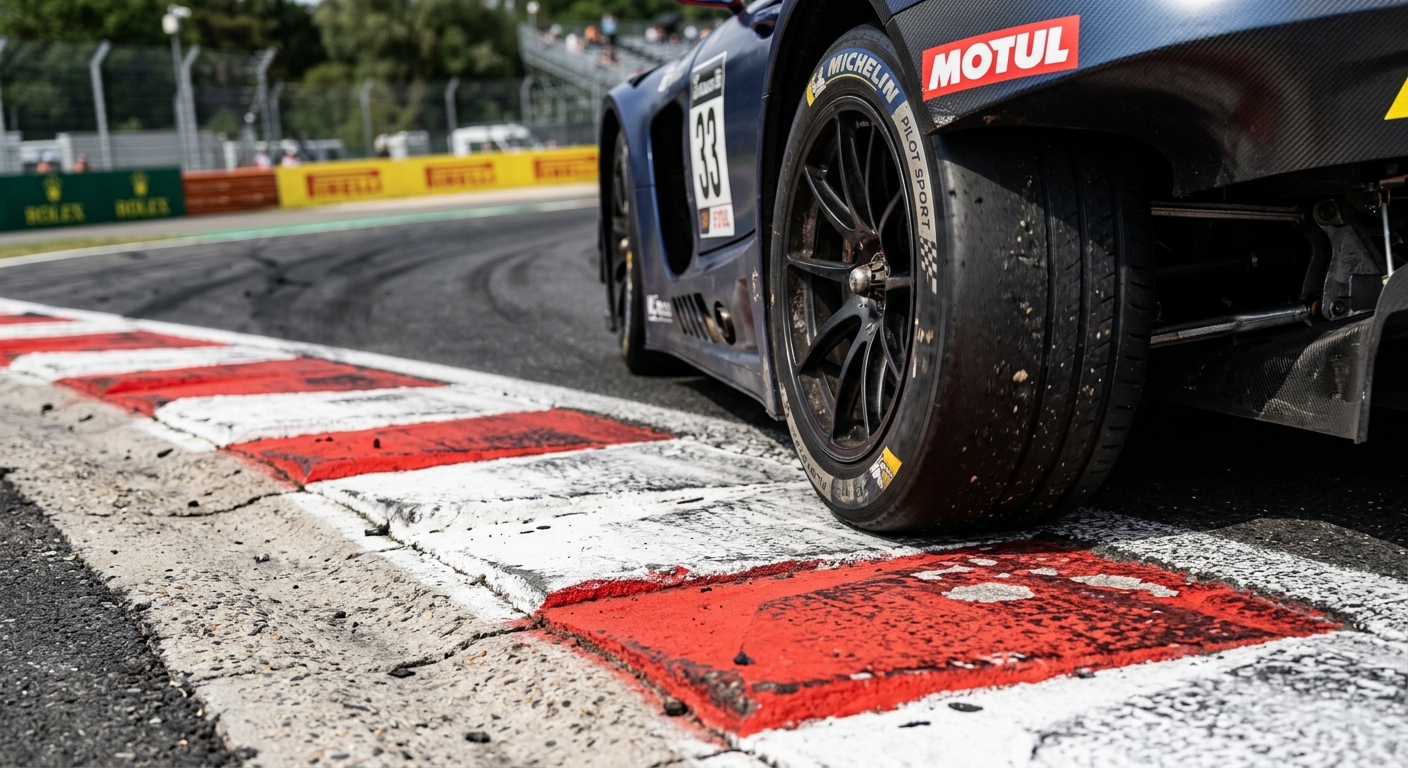
A track refresh in iRacing is a ground-up reconstruction using the latest laser-scan technology. For tracks like Road America and Mid-Ohio, this means every bump, crack, and curb has been re-measured with sub-centimeter accuracy. These updates often reveal subtle changes in track camber and surface roughness that the previous scans lacked. If a corner now has more positive camber, you might find a higher entry speed is possible. Conversely, if a curb has been remodeled with a steeper profile, your old habit of aggressive mounting could now lead to an immediate loss of control. Treating these as brand-new tracks is the only way to avoid early-season incidents.
Mazda MX-5 Refresh: Adapting to the New Physics
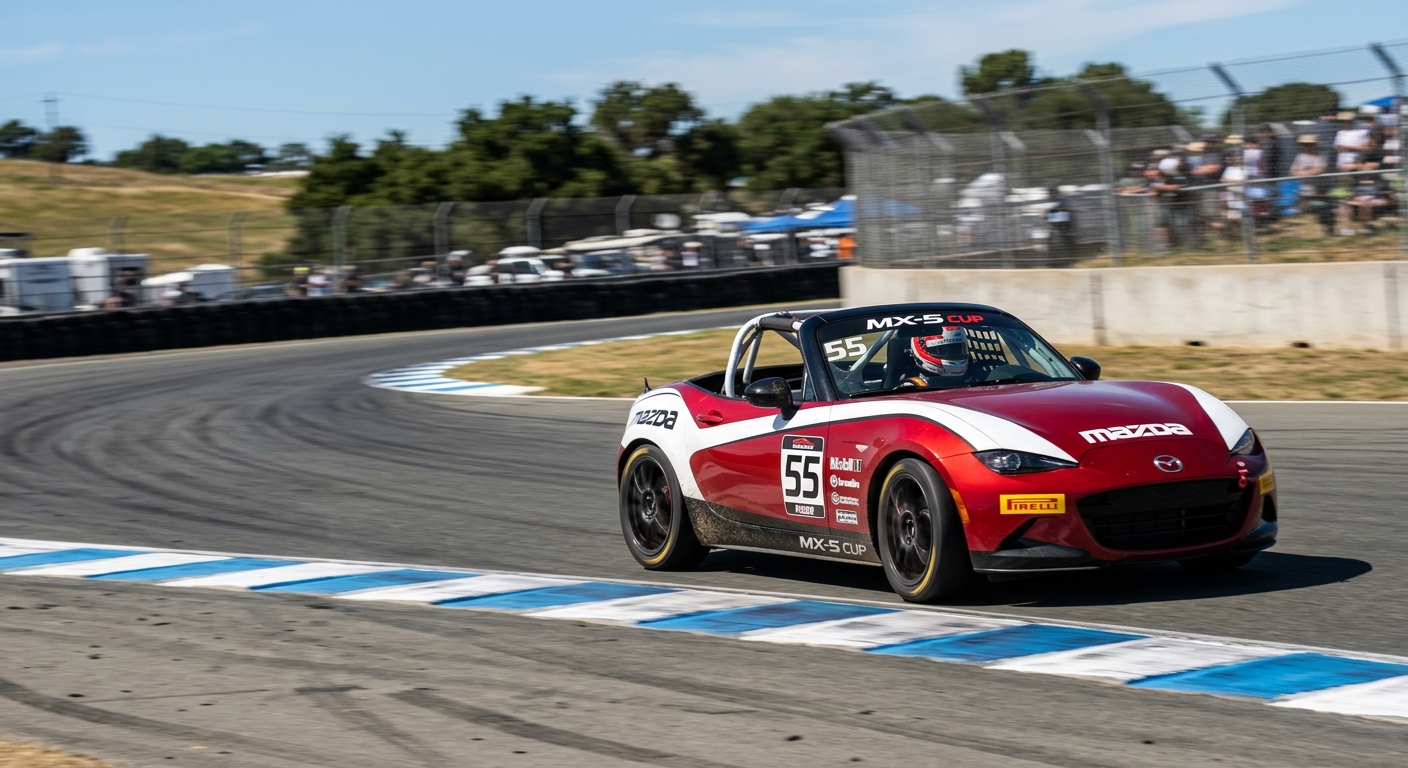
The Mazda MX-5 Cup refresh isn't just a new model; it's a recalibration of the car's handling characteristics. Drivers are reporting changes in how the car handles weight transfer during heavy braking and corner entry. The refresh requires a more nuanced approach to trail braking to keep the platform stable. If you apply the same braking pressure at the same markers as last season, you may find the car either over-rotating or pushing wide. Telemetry shows that the window for optimal grip has shifted, meaning your old setup and driving style need a complete audit to regain that top-split pace.
Using Telemetry to Map Your New Braking Markers
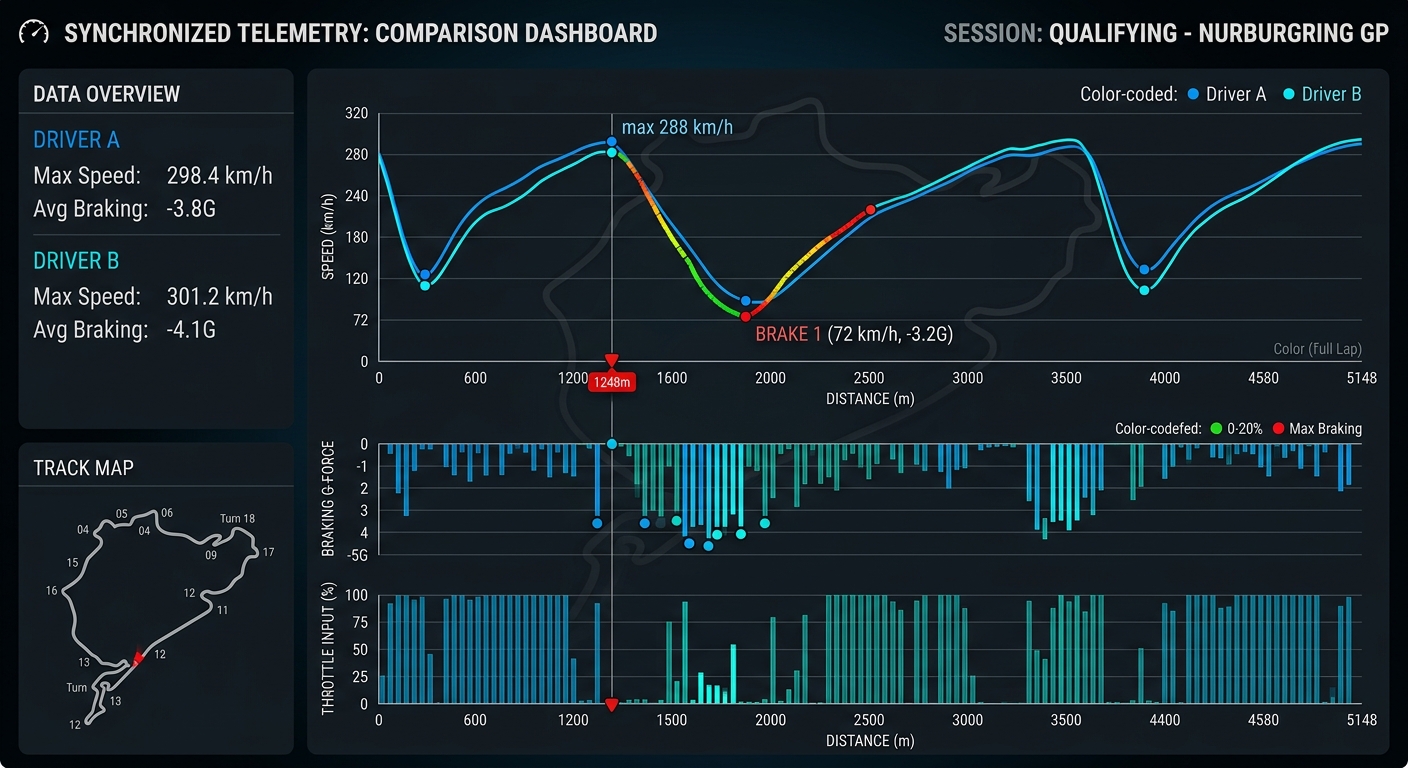
The fastest way to overcome outdated muscle memory is through visual data. By loading your old telemetry files alongside laps from the new scans in RaceData, you can see exactly where your markers are failing you. Look specifically at your longitudinal G-force and brake application points. You might find that the new surface at Road America allows for deeper braking into Turn 1, or that the bumps in Mid-Ohio's Keyhole require a more progressive throttle application. Instead of guessing through trial and error, use the data to confirm where the limit of grip has moved. This objective approach reduces the time spent in the 'learning phase' and gets you back to peak performance faster.
FAQ
Why did my lap times change after the Road America update?
New laser scans reflect the current real-world state of the track, including new paving and curb shapes which change the optimal racing line and grip levels.
Will my old Mazda MX-5 setups still work?
Probably not. Physics refreshes usually change how the car responds to spring and damper settings, requiring a fresh approach to your setup builds.
How do I identify changes in track camber via telemetry?
Look at your lateral G-force sensors in similar speed corners; higher lateral Gs often indicate areas where increased camber provides more grip.
What is the biggest risk when racing on a newly refreshed track?
Relying on old visual markers that may have moved or been removed, leading to missed braking points and increased incident points.
How many laps should I run before analyzing my new data?
Aim for 10 to 15 consistent laps to establish a baseline before comparing your new performance against your historical telemetry data.
Master the New Scans with RaceData AI
Don't let muscle memory ruin your iRating. Analyze your first laps on the new Road America scan with RaceData AI to see exactly where your old braking markers are failing you and find the new limit of grip in minutes.