The Physics of Multiclass Chaos: Why Prototypes Brake Earlier Than GT3s
multiclass-racing-tips-iracing-braking-physics
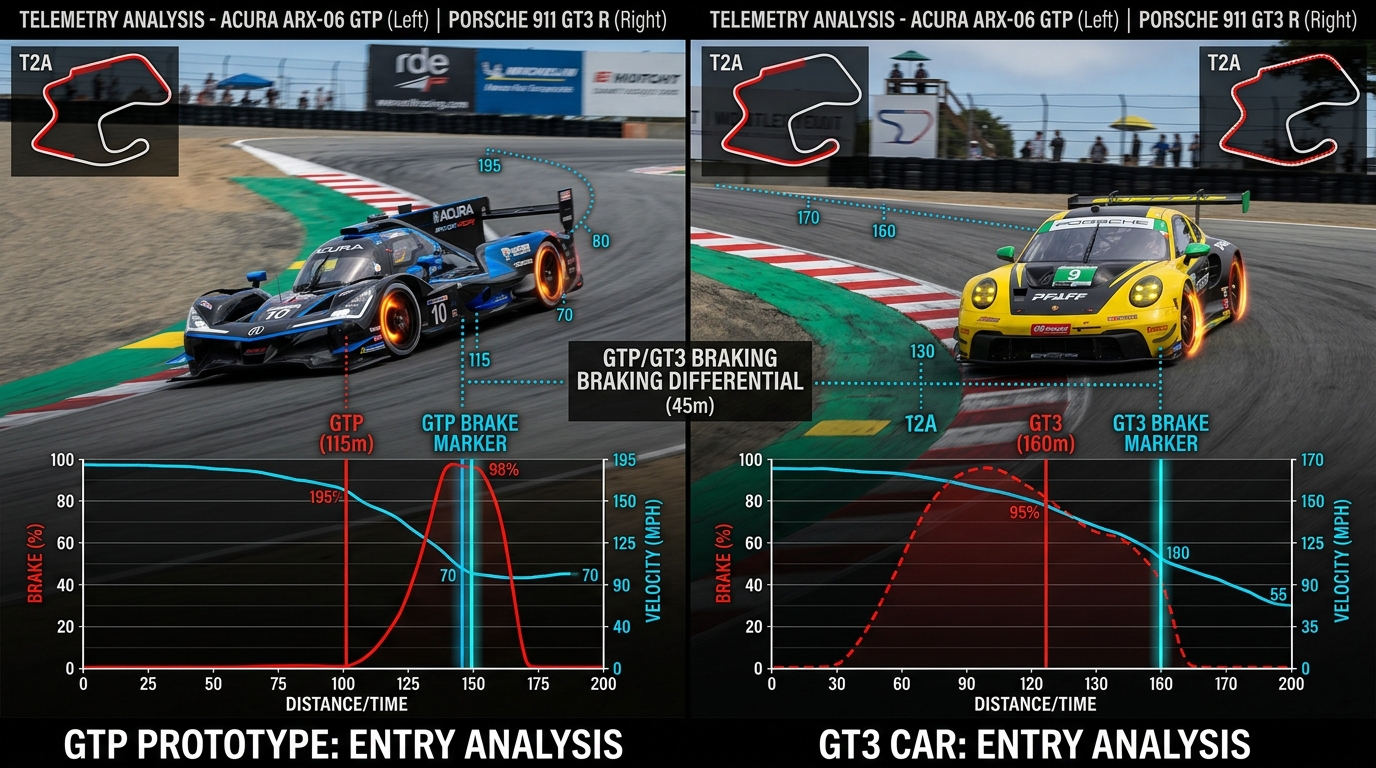
Master multiclass dynamics in iRacing by understanding the counter-intuitive braking physics between GT3s and Prototypes using telemetry data to avoid catastrophic crashes.
The Counter-Intuitive Truth: Why Faster Isn't Always Later
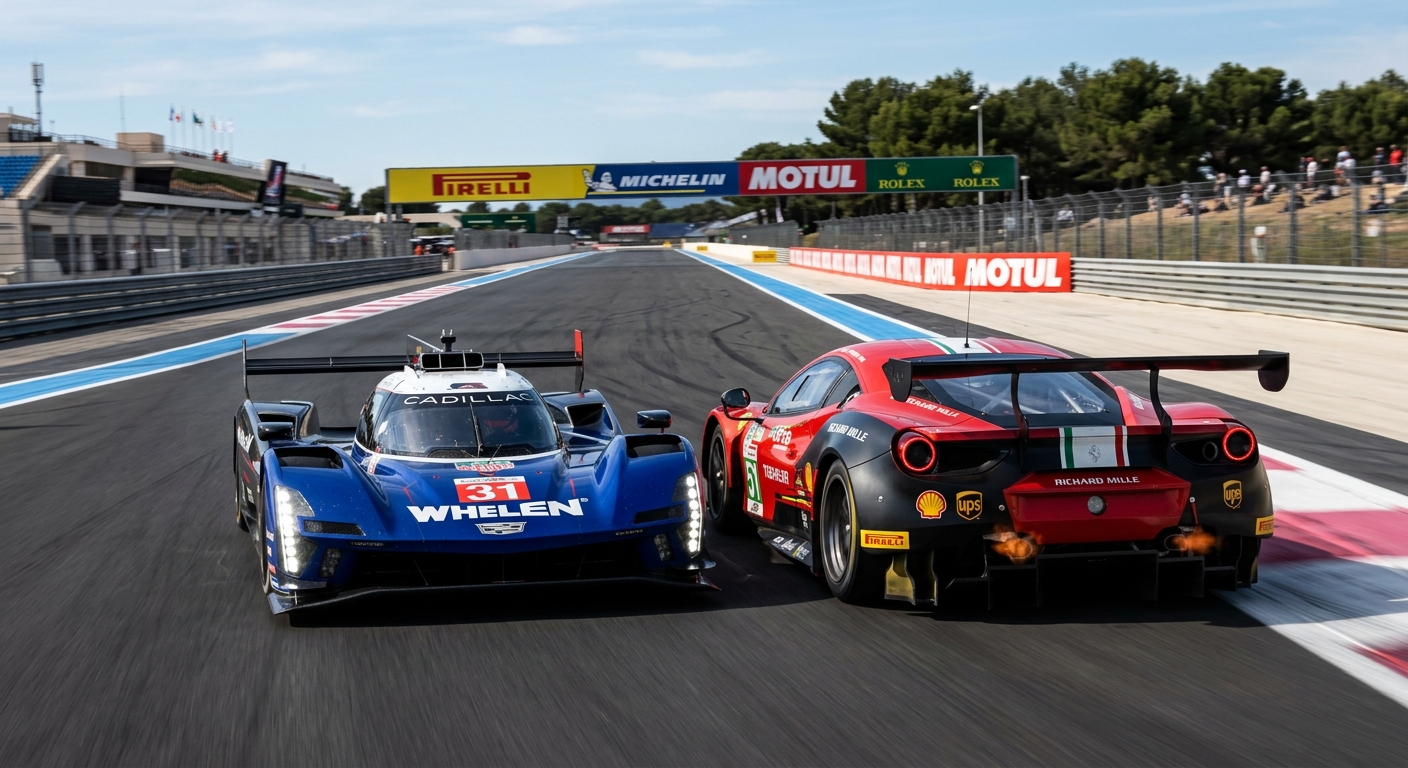
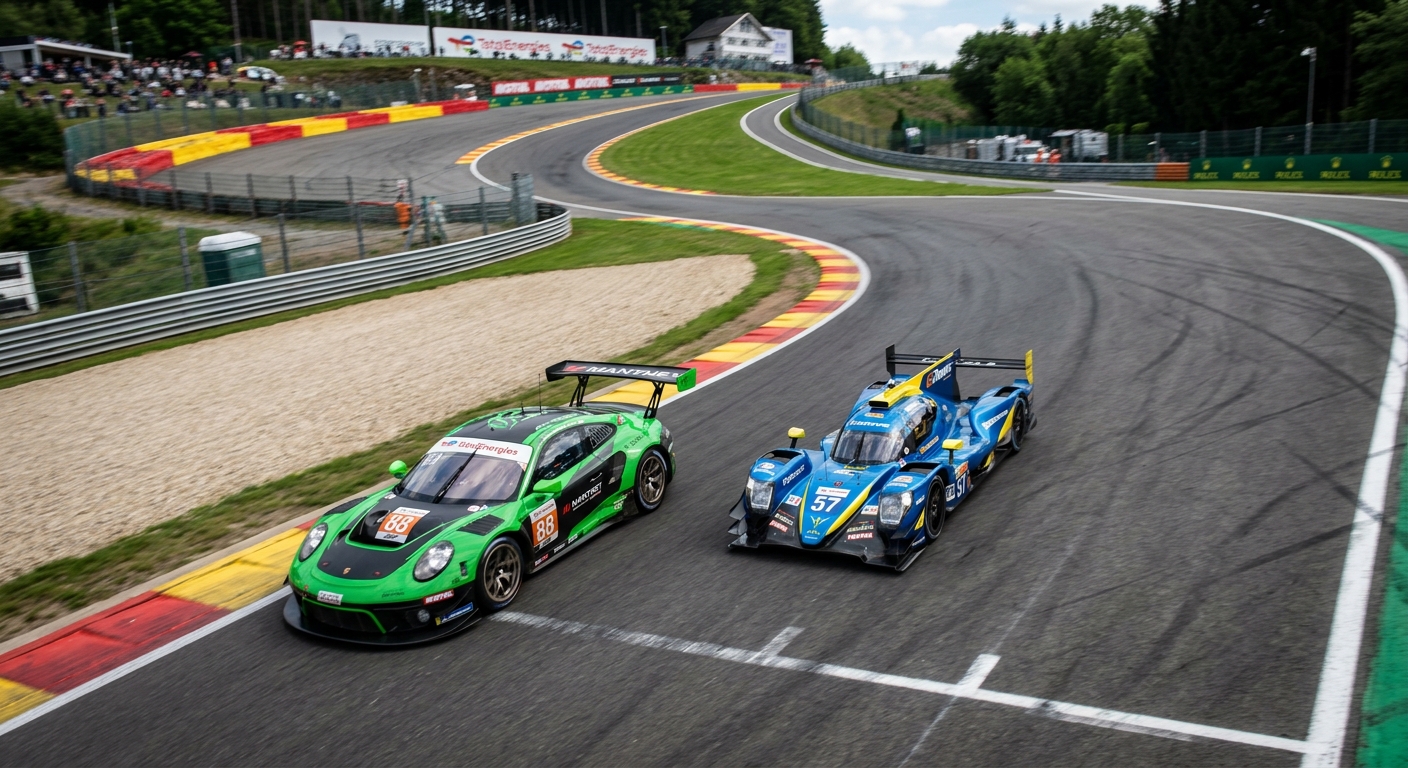
Prototypes like the GTP and LMP2 carry significantly more kinetic energy due to their high top speeds. However, they lack the mechanical safety nets found in GT3 cars. While a GT3 driver can rely on electronics to prevent lock-ups at the limit, a Prototype driver must manage threshold braking manually. As aerodynamic downforce drops off during deceleration, the Prototype becomes more prone to locking its tires. This often forces the faster car to begin its braking phase earlier than the slower GT3 car it is trying to overtake to ensure stability.
ABS vs. Raw Threshold Braking: How Electronic Aids Change the Braking Zone
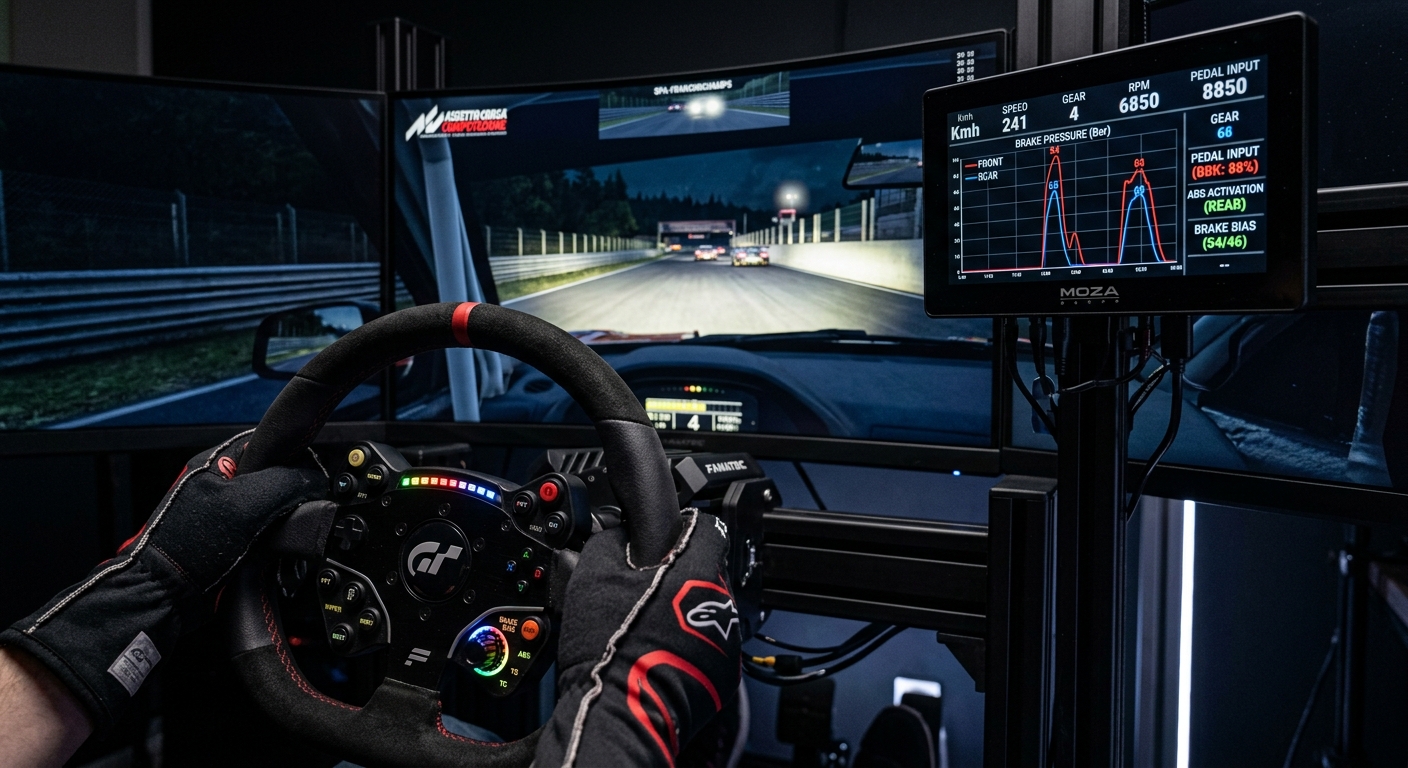
The presence of Anti-lock Braking Systems (ABS) in GT3 cars allows drivers to be extremely aggressive with the brake pedal, often stomping to 100 percent pressure immediately. In contrast, Prototypes require a delicate bleed-off of pressure as speed and downforce decrease. If a Prototype driver tries to match the late braking point of a GT3, they risk a front-tire lock-up, losing steering authority and sliding directly into the back of the slower car. Understanding this electronic disparity is key to avoiding the most common multiclass collisions.
FAQ
Why do Prototypes brake earlier than GT3s?
Prototypes lack ABS and rely on aerodynamic downforce, which decreases as they slow, making them more prone to locking tires if they brake too late.
What is the vortex of danger in multiclass racing?
It is the area around a car where an overtaking driver is no longer visible to the lead car and the lead car has already committed to a line.
How does ABS affect multiclass interactions?
ABS allows GT3 cars to brake very deep and late. Prototype drivers without ABS must brake earlier to avoid locking up when following these slower cars.
What is the accordion effect?
This describes how traffic bunches up in braking zones and spreads out on straights due to the different performance characteristics of each car class.
How can telemetry prevent multiclass accidents?
By overlaying laps from different classes, drivers can see exactly where braking points differ and identify high-risk corners where speed differentials are most extreme.
Master Your Multiclass Racecraft
Use the RaceData comparison tool to overlay your GT3 laps with Prototype telemetry and identify potential danger zones before your next race.