From Exhaustion to Instinct: How to Overcome Mental Fatigue in Sim Racing
overcoming-mental-fatigue-sim-racing
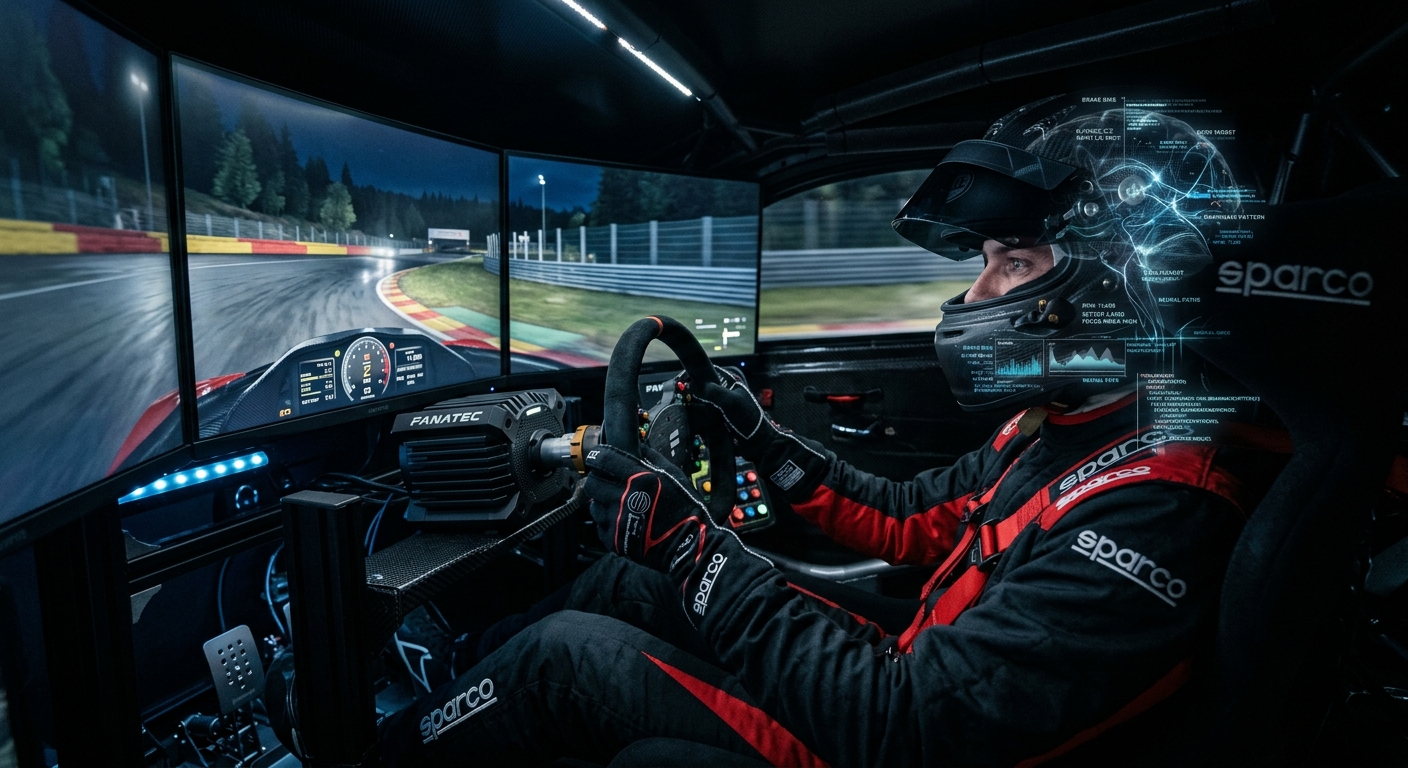
Discover how to overcome mental fatigue in sim racing by transitioning from active thinking to muscle memory. Learn how telemetry builds consistency for longer race stints.
The Science of Cognitive Load: Why Your Brain Tires Before Your Hands
Cognitive load refers to the amount of working memory used by your brain to perform a task. In a high-speed racing environment, your brain is processing thousands of variables every second, from track temperature and tire wear to the proximity of other cars. For newer drivers, these tasks are handled by the prefrontal cortex, which is responsible for active decision-making. This is why you feel a mental wipeout after a twenty-minute sprint. As you become more experienced, these tasks move to the basal ganglia, the part of the brain responsible for habits and muscle memory. Reducing the need for active thinking is the only way to sustain high performance over a full race distance.
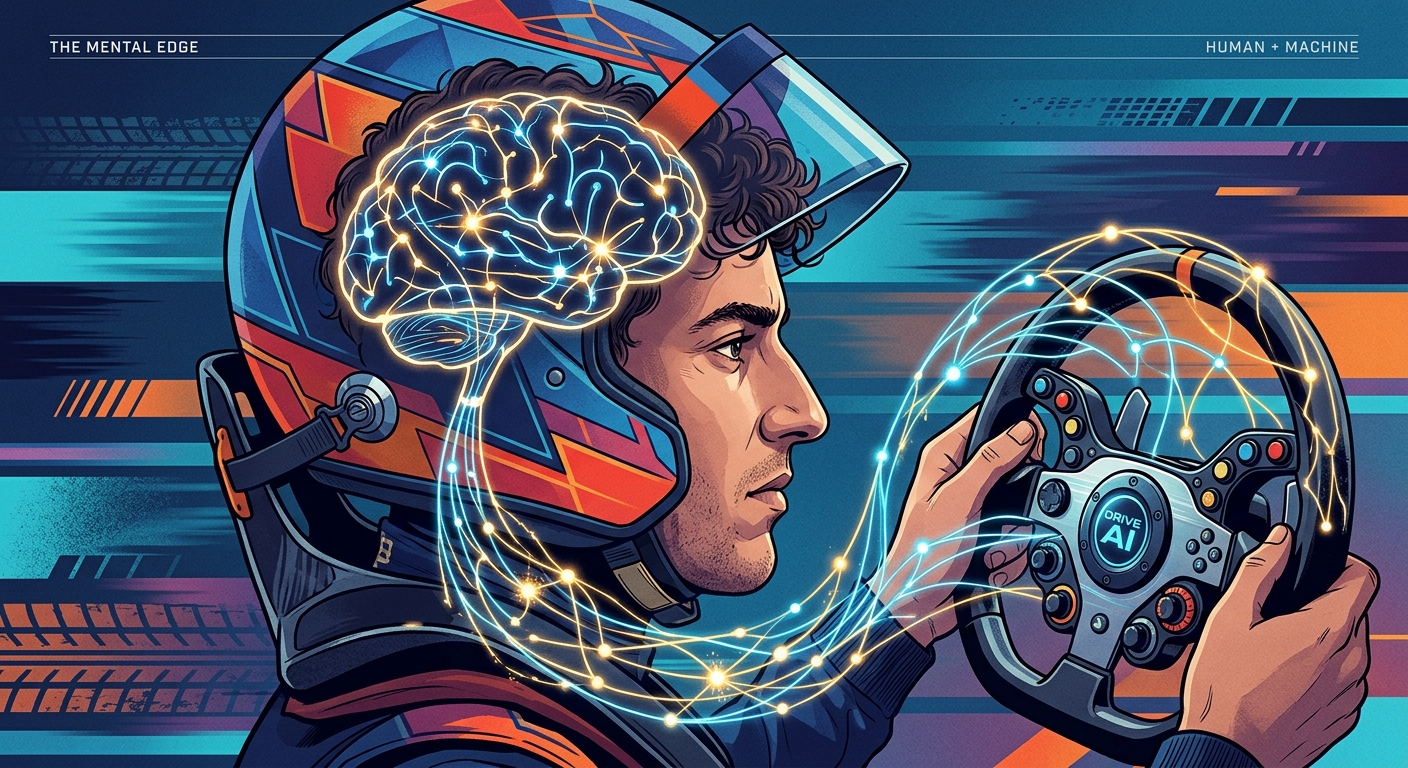
How Muscle Memory and Telemetry Reduce Mental Effort
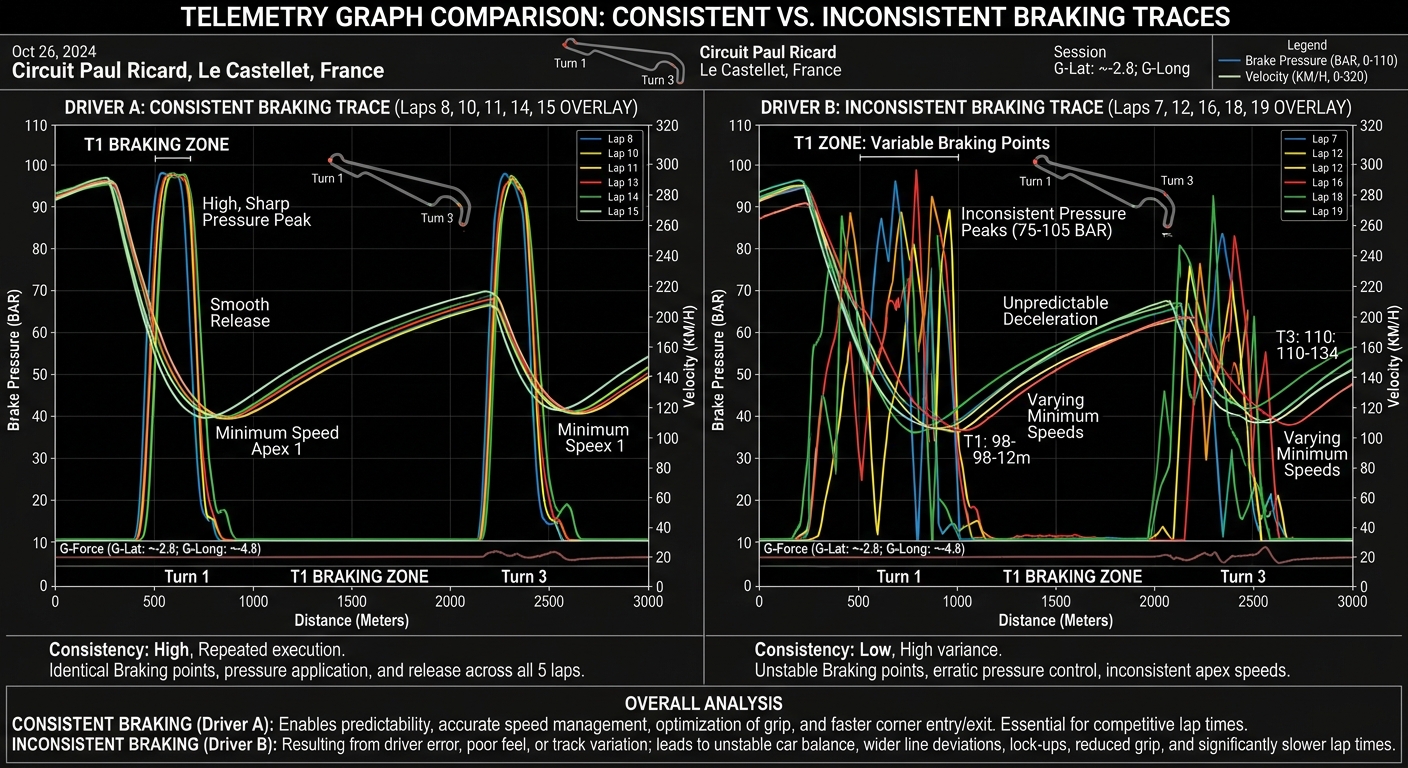
Muscle memory is the secret to racing endurance. When your braking technique becomes an automated response, you free up mental 'bandwidth' to focus on racecraft and strategy. Telemetry plays a crucial role in this transition. By using RaceData AI, you can validate your muscle memory. If the data shows consistent braking pressure and turn-in points across ten laps, you know that your subconscious has taken over. However, if the telemetry shows erratic inputs, it means you are still thinking your way around the track. Data-driven practice allows you to trust your instincts, which significantly lowers the cognitive load required to stay fast.
5 Drills to Improve Your Racing Focus and Consistency
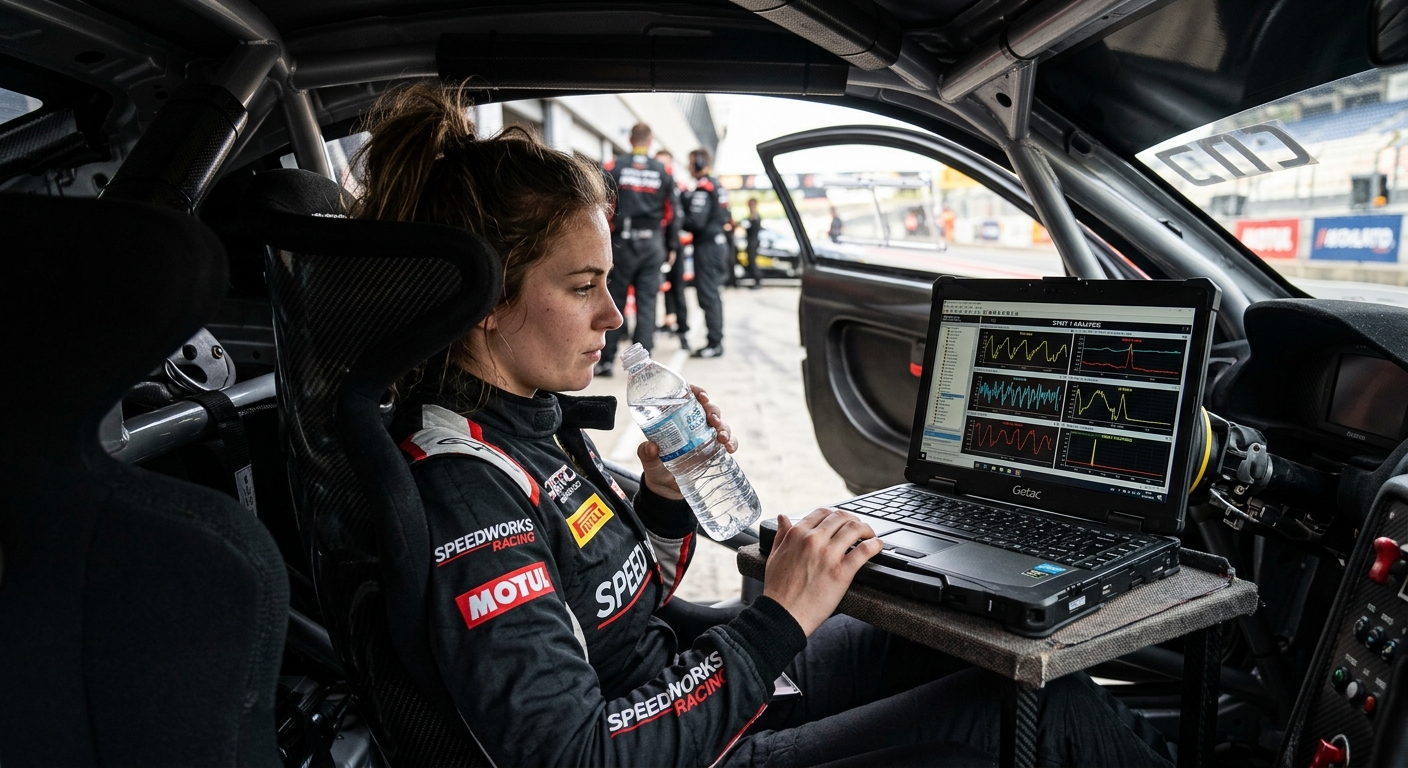
Building mental endurance requires structured practice rather than endless laps. First, practice in short, twenty-minute intervals with total focus, followed by a break. Second, use 'no-HUD' drills to force yourself to feel the car's limit rather than relying on visual gauges. Third, focus on one specific corner for an entire session until the input becomes automatic. Fourth, stay hydrated and maintain proper ergonomics to prevent physical discomfort from adding to your mental load. Finally, use post-session telemetry to pinpoint the exact lap where your consistency began to drop, helping you identify the onset of fatigue before it causes a race-ending mistake.
FAQ
What is cognitive load in sim racing?
It is the total amount of mental effort used by your brain to process driving inputs, track conditions, and race strategy simultaneously.
How can I tell if I am mentally fatigued while driving?
Signs include missing your braking points, struggling to hit the apex consistently, and a decrease in situational awareness or reaction time.
Does telemetry help with mental fatigue?
Yes, telemetry identifies where your inputs are inconsistent, allowing you to focus your practice on specific areas until they become automated muscle memory.
How long should my practice sessions be?
Focused 20 to 30-minute sessions are generally more effective for building neural pathways than long, unfocused hours of driving.
Can muscle memory be built faster?
By using data-driven feedback from RaceData AI, you can verify correct techniques immediately, which reinforces the right habits and builds muscle memory faster.
Turn Manual Effort into Automated Speed
Stop guessing and start growing. Use RaceData AI to analyze your stints and identify exactly where your consistency breaks down. By turning manual corrections into automated instincts, you will race longer, faster, and with less effort. Start your performance analysis today.