From SFL to SF23: Mastering iRacing’s Most Terrifying Open-Wheel Transition
sfl-to-sf23-iracing-guide
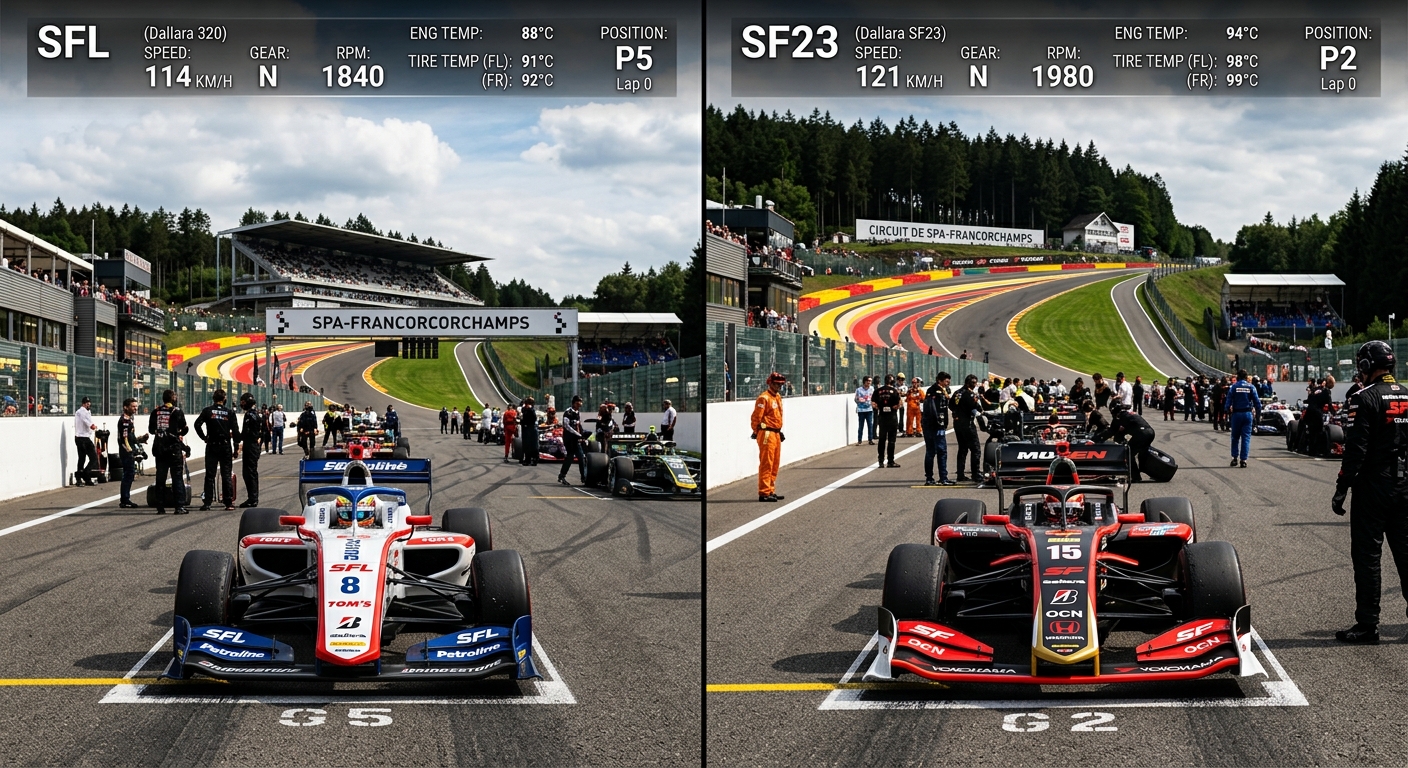
Transitioning from Super Formula Lights to the SF23 requires a total shift in driving style. Learn how to manage massive power and aerodynamic dependency using telemetry.
The Power Gap: Why You Can’t Just Stomp the SF23 Throttle
The primary difference between these two machines is the power-to-weight ratio. In the SFL, you can often stomp the throttle at the apex because the engine doesn't have enough torque to instantly break traction. In the SF23, that same input leads to an immediate snap-spin. To master the SF23, you must move from a binary 'on-off' throttle mentality to a progressive roll-on technique. You are no longer just accelerating; you are managing weight transfer to keep the rear tires pinned. Practice drills that focus on holding 50% throttle through long mid-speed corners to build the muscle memory required for this car's sensitivity.
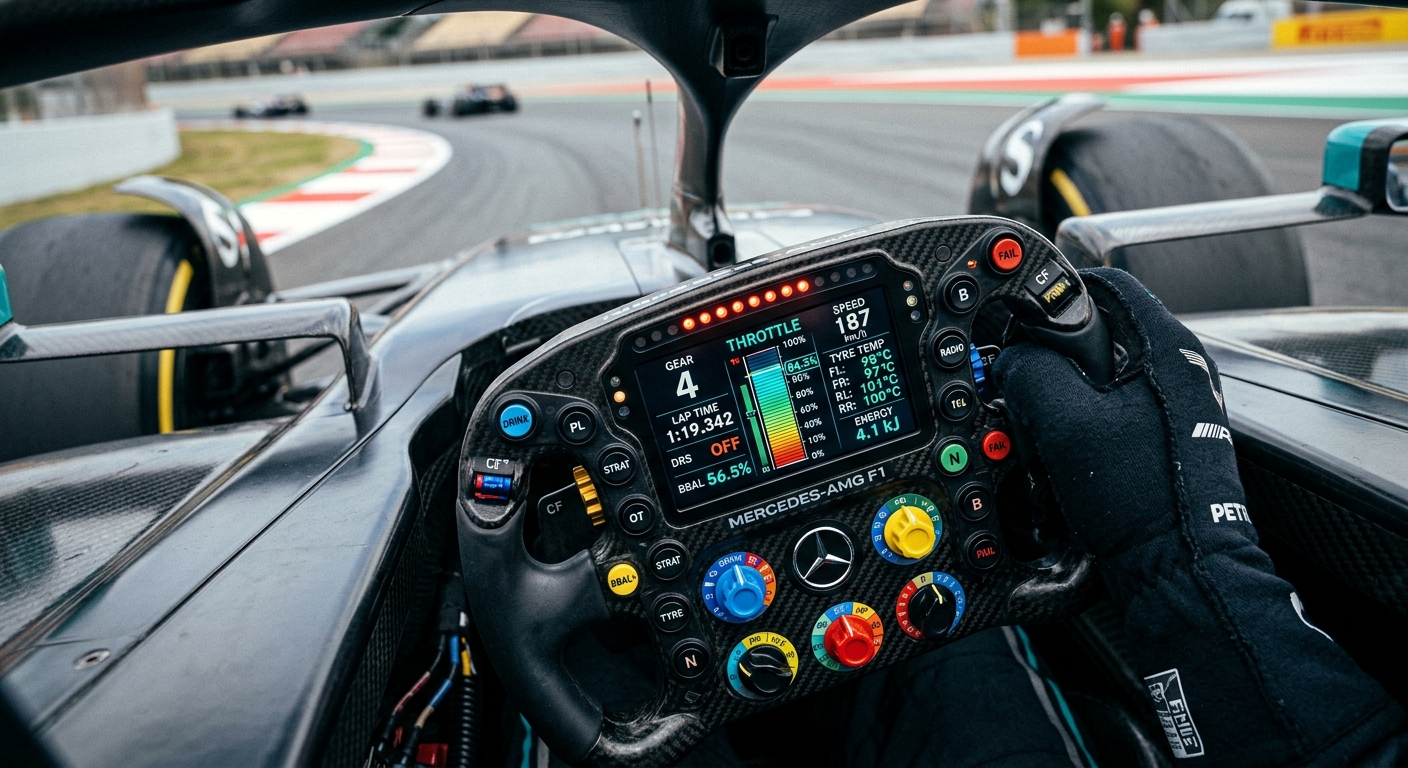
Aerodynamic Dependency and High-Speed Stability
At high-speed circuits like Spa, the SF23 relies heavily on its aerodynamic package. The car actually gains more grip the faster it goes, which creates a deceptive feeling of safety. However, this also makes the car prone to aero-stalling if you upset the platform with sudden steering or throttle lifts. Braking in the SF23 also requires a different approach than the SFL. You can apply massive initial pressure at high speeds when downforce is peak, but you must rapidly bleed off the brake pressure as the car slows. Failing to do so will lock the wheels and cause the car to skip across the track as the aerodynamic grip disappears.

FAQ
Why do I keep spinning the SF23 on corner exit?
You are likely applying too much throttle too quickly. The SF23 has a much higher power-to-weight ratio than the SFL, requiring a progressive roll-on of the pedal rather than a quick stomp.
Does the SF23 have more grip than the SFL?
At high speeds, yes, due to significantly higher downforce. However, at low speeds, the mechanical grip can feel lower relative to the massive engine power, making it feel more unstable.
How should my braking technique change for the SF23?
You must use 'load-based' braking: hit the brakes very hard while at high speed (and high downforce), then rapidly taper off as you slow down and the downforce decreases to avoid locking up.
What is aero-stalling in the SF23?
Aero-stalling occurs when the car's angle to the wind changes abruptly (due to a slide or curb strike), causing a sudden loss of downforce and grip.
How can telemetry help me stop spinning?
Telemetry allows you to see exactly when and where your throttle inputs are too aggressive, helping you visualize the 'curve' you need to achieve for a stable exit.
Master Your SF23 Throttle Control
Don't let bad habits hold you back in B-Class. Use RaceData telemetry tools to compare your SFL and SF23 data, identify where you're being too aggressive, and start building the smoothness required for top-split open-wheel racing.