The Ergonomics of Speed: How Your Seating Position Fixes Inconsistent Telemetry
sim-racing-ergonomics-seating-position-telemetry
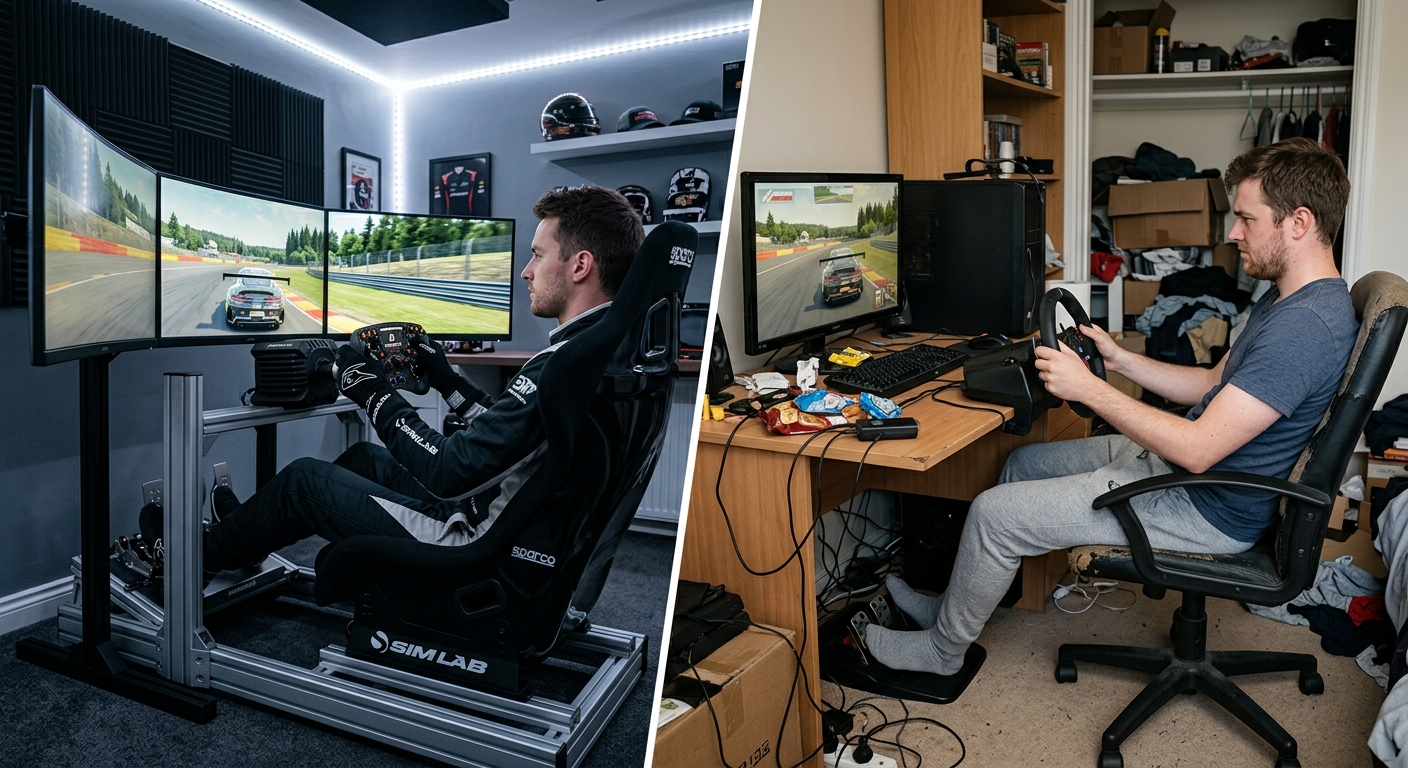
Discover how proper sim racing ergonomics can eliminate physical pain and clean up your telemetry data. Learn to optimize your seat and pedals for maximum consistency.
The Correct Seating Position: Aligning Your Eyes and Shoulders
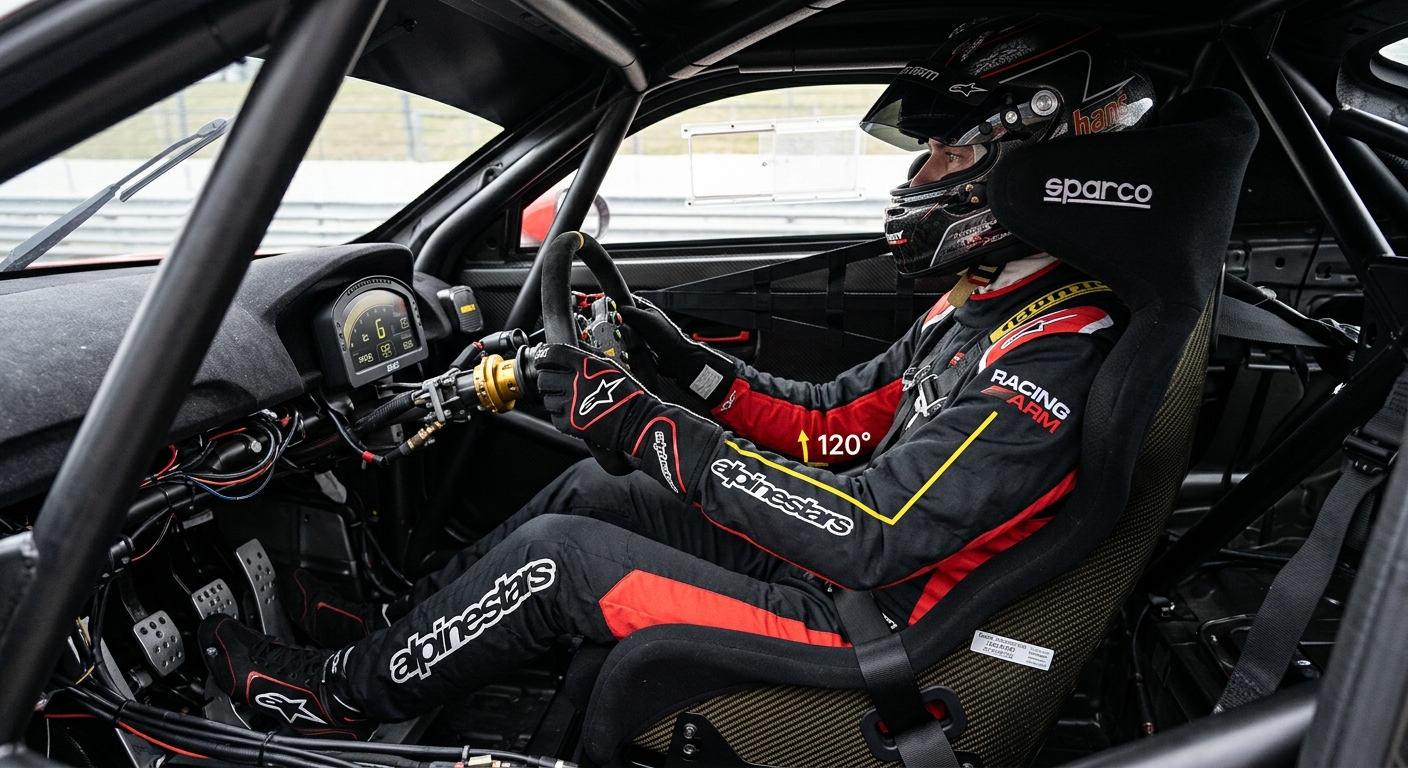
Achieving the perfect seating position starts with the relationship between your seat angle and lumbar support. Your spine should remain in a neutral position to prevent the lower back and tailbone pain often reported during long endurance stints. Ensure your shoulders are well-supported so your arms can move freely without tension. When your body is stable, your steering inputs become significantly smoother, reducing the erratic spikes often seen in telemetry during high-load cornering phases.
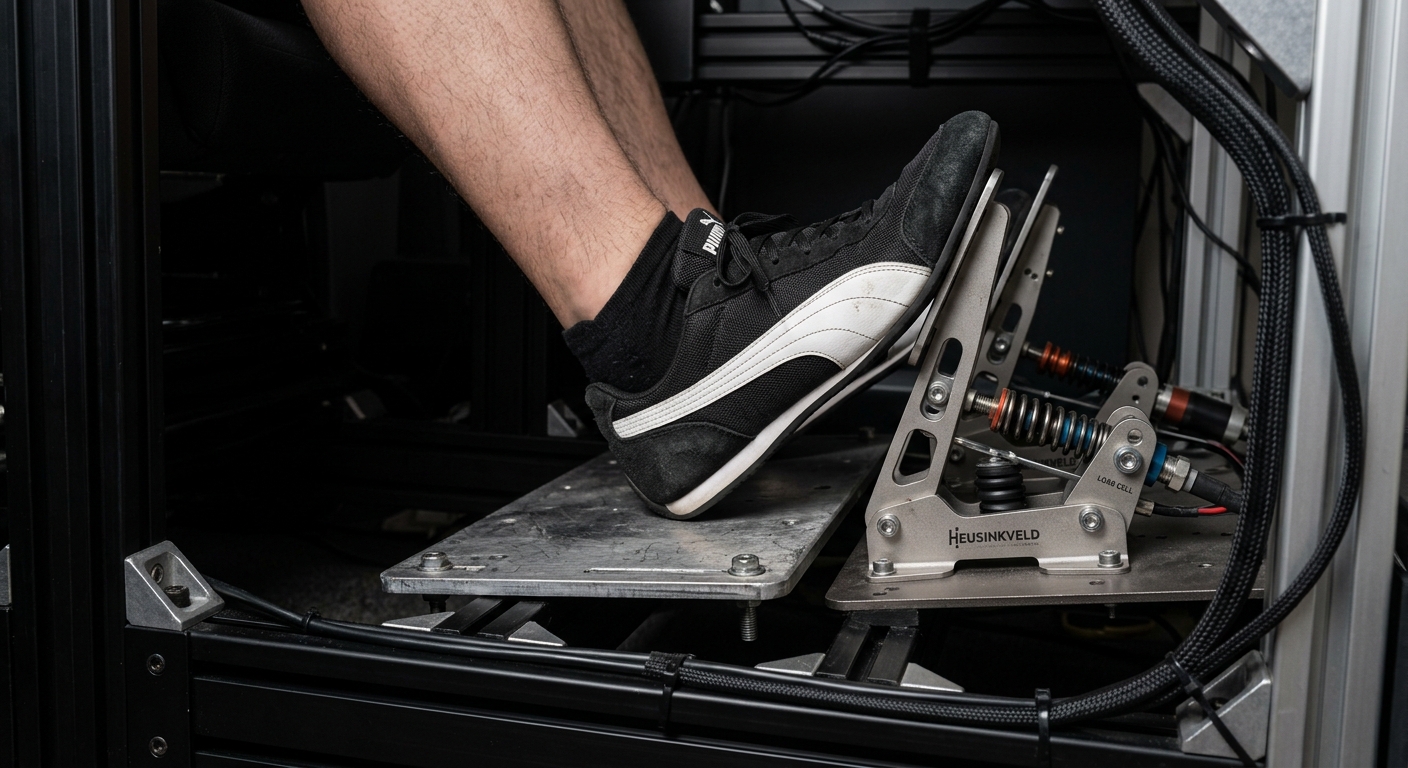
Pedal Ergonomics: Eliminating Heel Pain for Better Trail Braking
Heel pain is a common complaint that directly degrades a driver's ability to modulate load cell brakes. Pedal height and angle are the primary factors here. If the pedal face is too vertical or the heel rest is too low, you lose the fine motor control required for effective trail braking. By adjusting the pedal plate to allow a natural ankle pivot, you can achieve a smoother release of the brake, which translates to a clean diagonal decay curve in your telemetry rather than a shaky, stepped line.
Measuring the Impact: How Ergonomics Stabilize Your Braking Traces
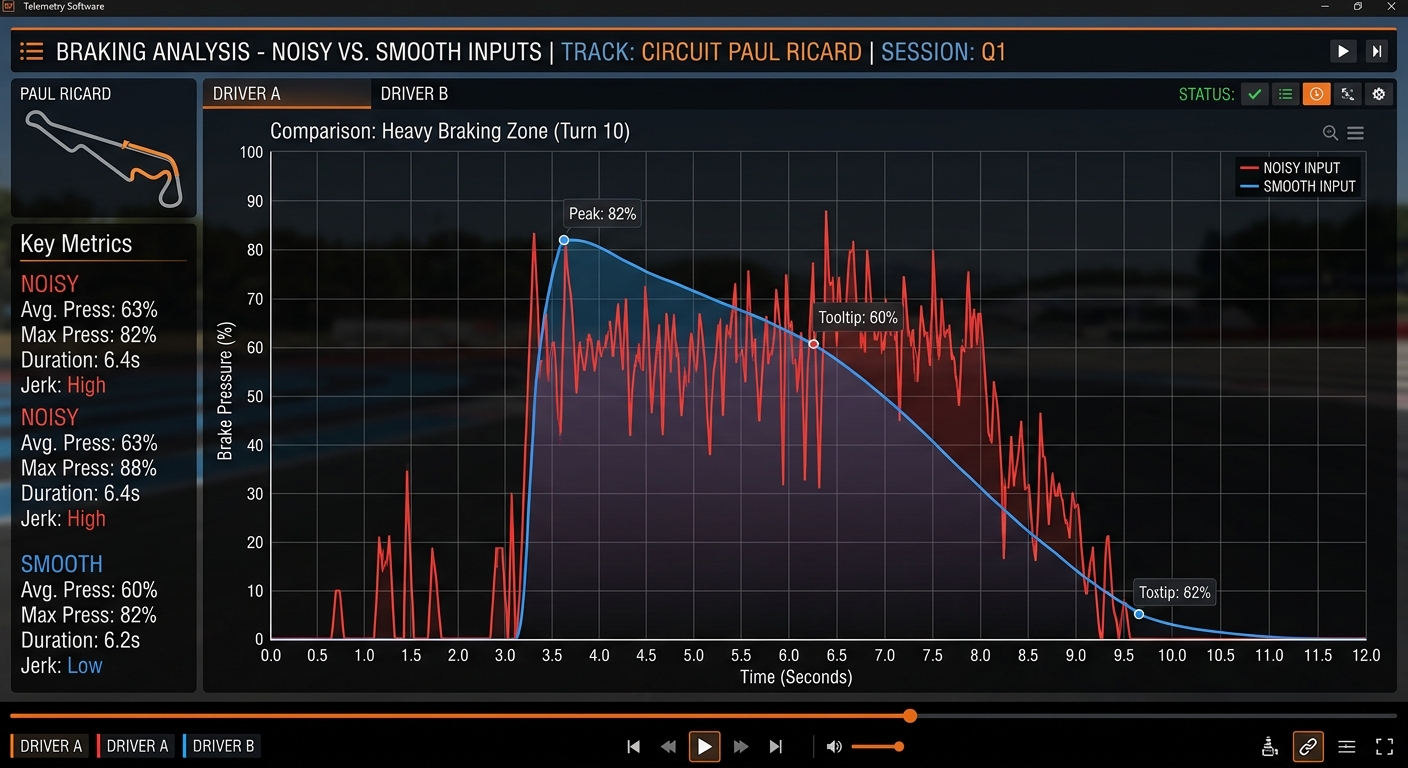
The ultimate proof of effective ergonomics is found in your telemetry. Inconsistent lap times are often caused by micro-adjustments your brain makes to compensate for physical discomfort. After optimizing your rig, compare your braking traces. You should see a significant reduction in input variance. Consistent peak pressures and repeatable trail braking phases allow you to push the car to its absolute limit for the entire duration of a race without the distraction of physical fatigue.
FAQ
How does seating position affect my lap times?
A poor position causes muscle fatigue and discomfort, leading to inconsistent inputs and noisy telemetry data that prevents repeatable performance.
What is the best leg angle for sim racing?
Aim for a slight bend in the knee, roughly 120 to 150 degrees, when the pedal is fully depressed to maintain control without strain.
Why do my heels hurt during long sessions?
Heel pain is usually caused by an incorrect pedal plate angle or lack of support. Adjusting the tilt can redistribute the pressure.
How can I see if my ergonomics are improving in my data?
Look for smoother braking decay lines and more consistent peak pressure points across multiple laps in your telemetry software.
Does seat tilt matter for load cell pedals?
Yes, tilting the seat back helps you use your leg muscles more effectively to press heavy load cell brakes without straining your back.
Optimize Your Performance with RaceData AI
After you have adjusted your seating position, use RaceData AI to analyze your braking consistency. Compare your data before and after to see exactly how much noise you have removed from your driving inputs.