Is Your Rig Sabotaging Your Lap Times? How Rig Flex and Ergonomics Kill Consistency
sim-racing-rig-flex-consistency
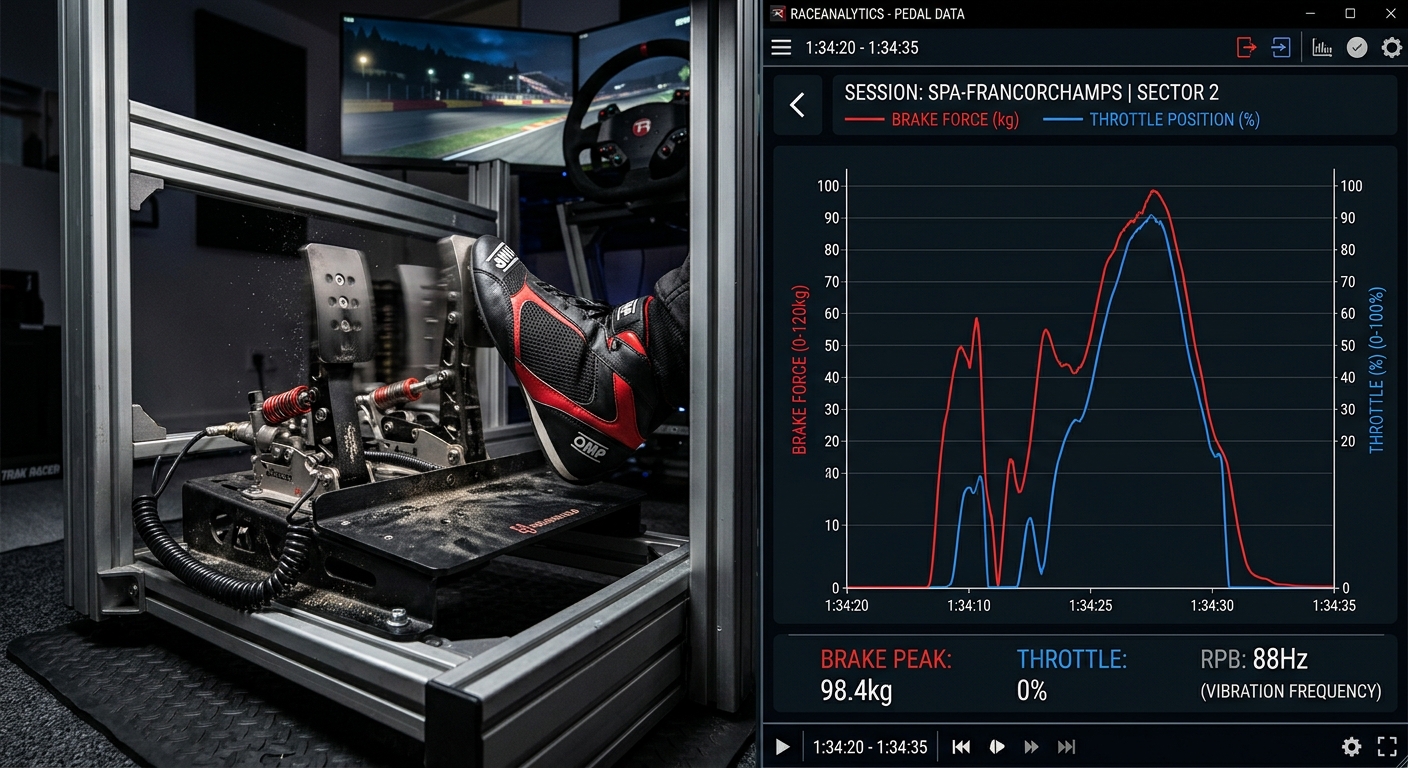
Hardware instability introduces variables that telemetry cannot fix. Learn how to identify and eliminate rig flex to build the muscle memory required for perfect trail braking.
The Physics of Braking: Why Rigidity is More Important than FFB
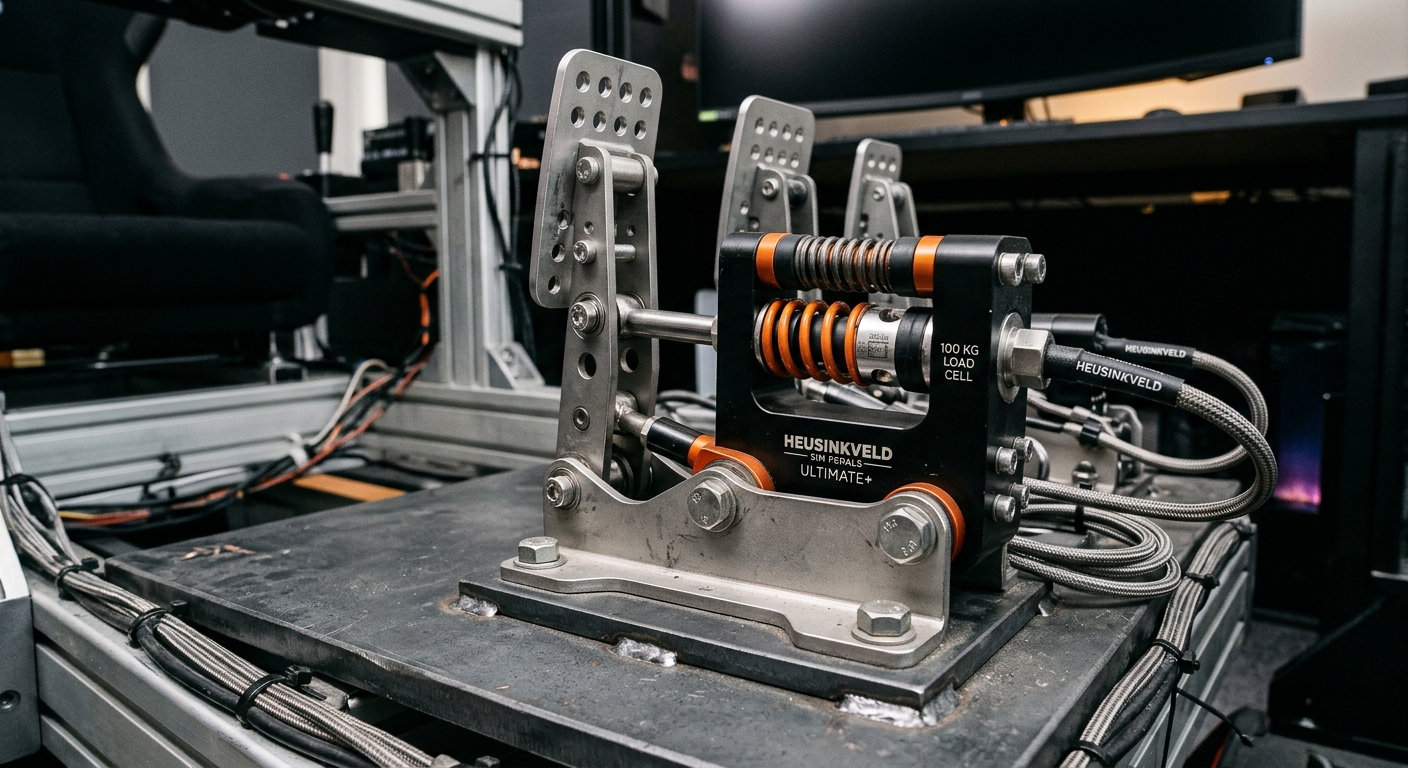
Most modern sim racing pedals, especially load cell units, are designed to measure the pressure you apply rather than the distance the pedal travels. For this system to work, your foot needs a solid, immovable backstop. If your pedal plate bends even a few millimeters under load, the relationship between your physical effort and the digital output becomes decoupled. This 'mushy' sensation prevents your nervous system from accurately recording the pressure required for consistent deceleration, rendering even the most expensive pedals ineffective.
The Telemetry Gap: Why Flex Makes Data Analysis Impossible
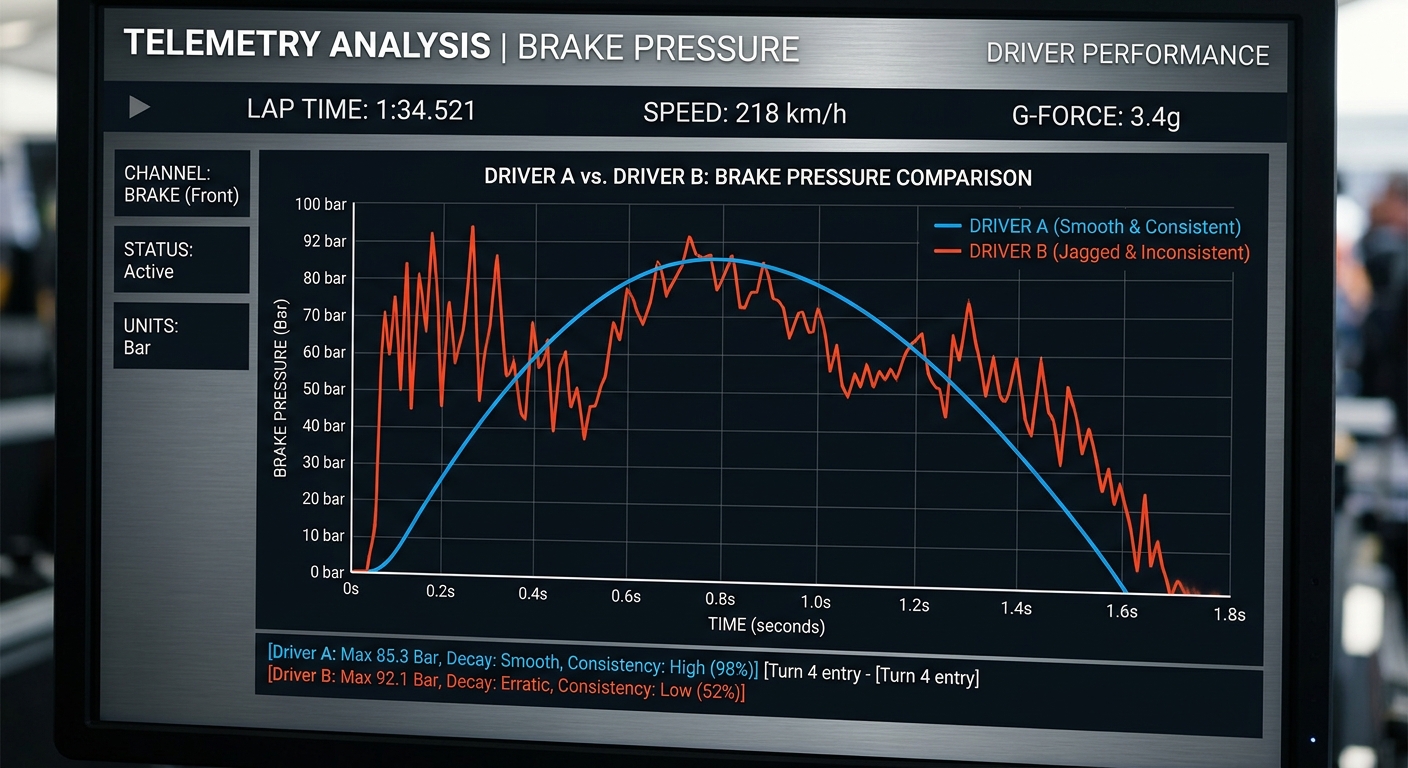
Telemetry is only as good as the input it receives. When your rig flexes, it creates 'noise' in your brake traces. You might think you are holding a steady 80 percent pressure into a heavy braking zone, but if the pedal plate is slowly yielding or the seat is shifting backward, your telemetry will show a fluctuating line. This makes it impossible to diagnose whether a lock-up was caused by poor foot control or a mechanical failure of the rig to stay stationary. A rock-solid rig produces the clean, repeatable data lines required for deep analysis.
Hardware Maintenance: Preventing Loosening Pedals and Shifting Seats
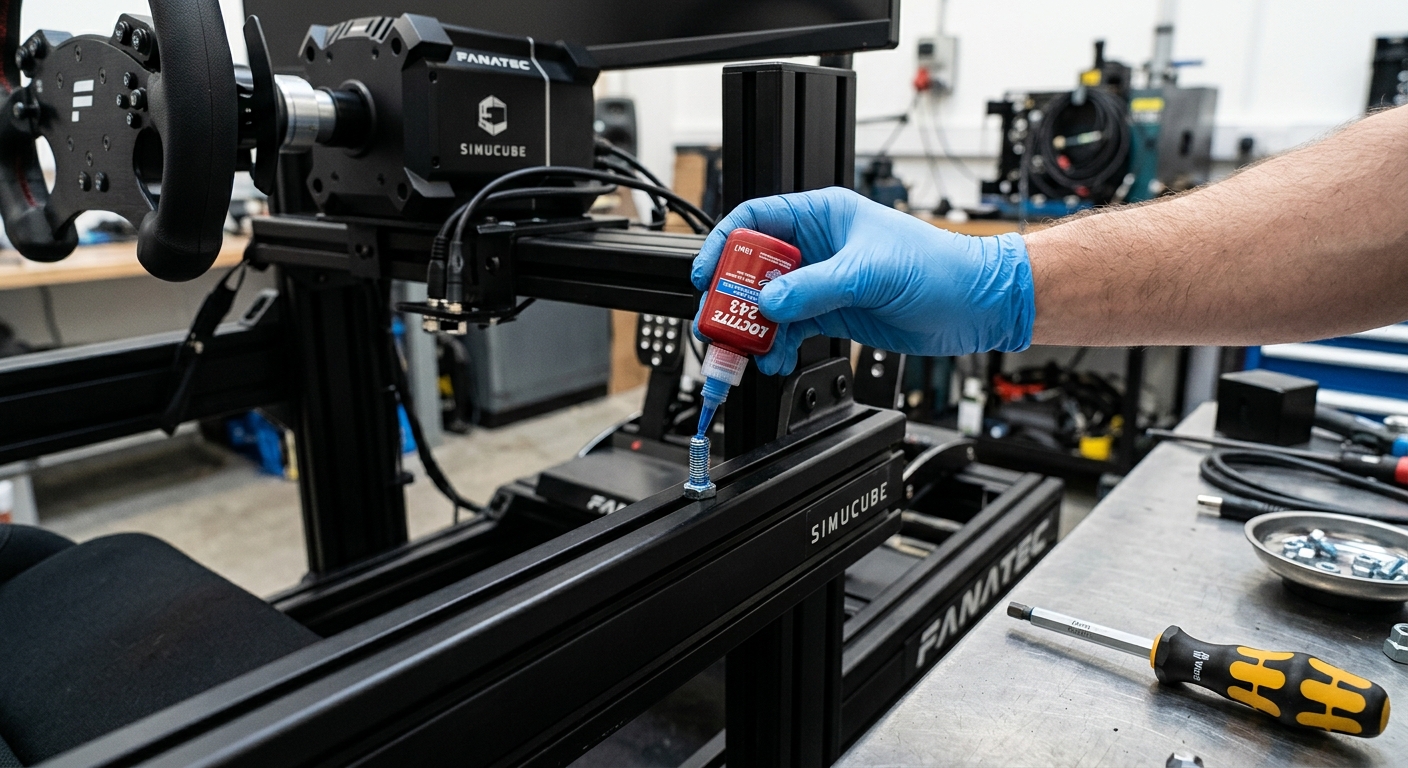
Even the best mid-range rigs can develop 'the bend' over time as bolts loosen from vibration and high-force braking. Simple maintenance can dramatically improve stability. Using medium-strength threadlocker on pedal mounting bolts prevents them from backing out during long sessions. Adding oversized fender washers can help distribute the load across a wider surface area of the pedal tray. Finally, check your seat mounts; if your seat slides back even a fraction under heavy braking, your leverage changes, fundamentally altering your braking point and consistency.
FAQ
Does a small amount of pedal flex really matter for lap times?
Yes. Even minor flex introduces a non-linear variable into your braking. Consistency is built on repeatable muscle memory, and flex changes the 'feel' of the pedal every time you press it.
How can I tell if my rig is flexing while I am driving?
Set up a camera or phone to record your pedal plate and seat from the side while you perform an emergency stop. You will likely see movement that is invisible from the driving position.
Can I fix flex in a mid-range rig like the NLR F-GT?
Yes, by adding DIY reinforcements like steel struts or aluminum profile sections to the pedal tray and ensuring all bolts are tightened with washers and threadlocker.
Is a load cell pedal worth it if my rig has some flex?
A load cell is always an upgrade, but you will only get 50% of the benefit if the rig flexes. Focus on stabilizing the rig to unlock the full potential of the load cell.
How does seating position affect my braking consistency?
If you are too far or too close, you lose leverage. A shifting seat changes your leg angle, meaning the same foot pressure results in different force levels applied to the pedal.
Turn Your Stability into Speed
Once your rig is rock-solid and the physical variables are eliminated, it is time to look at the data. Use RaceData AI to analyze your now-consistent braking telemetry and find your next half-second on track.