From Screen to Asphalt: Can Sim Racing Actually Make You a Better Track Day Driver?
sim-racing-to-real-life-track-days
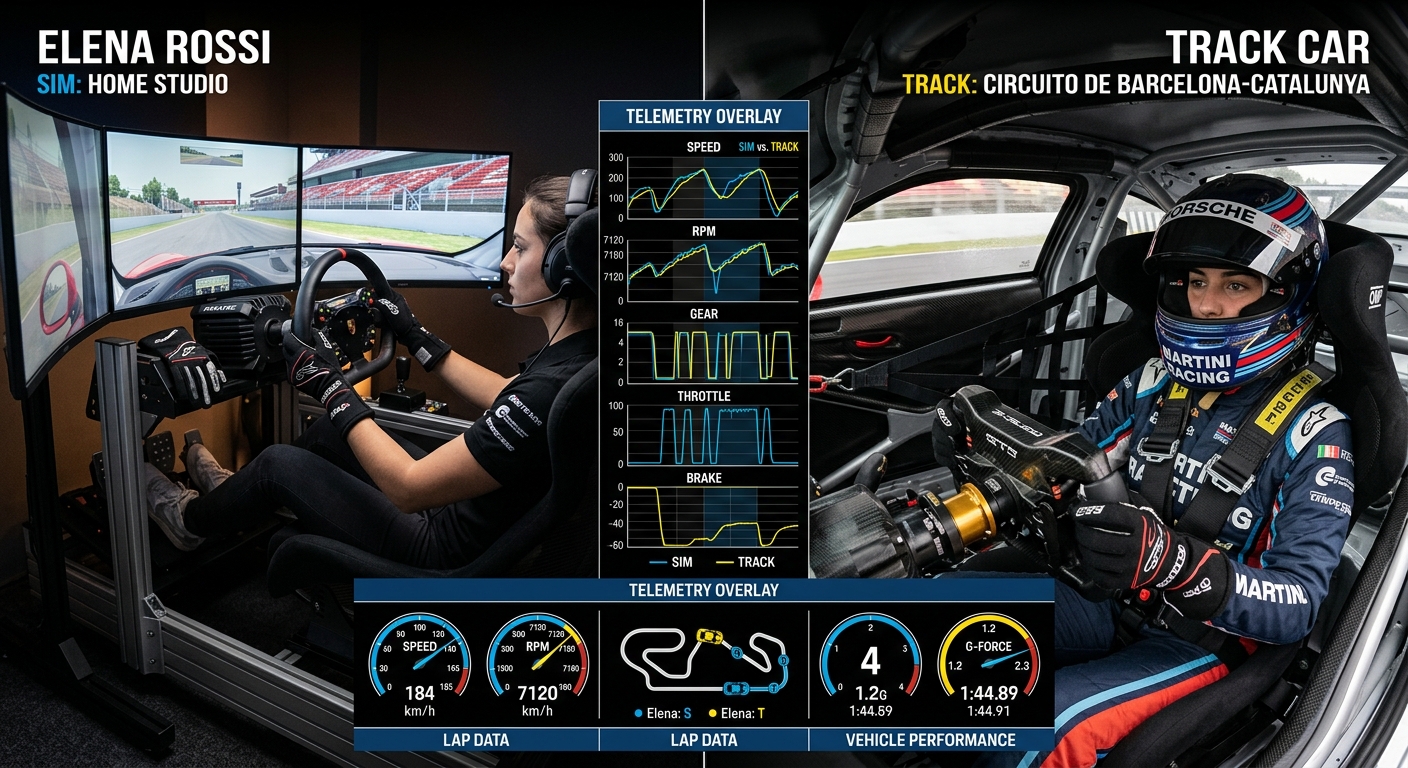
Discover how sim racing acts as a high-stakes flight simulator for the road, building the essential muscle memory and data-driven skills needed for real-world track days.
Core Skills That Transfer: Braking, Vision, and Weight Transfer
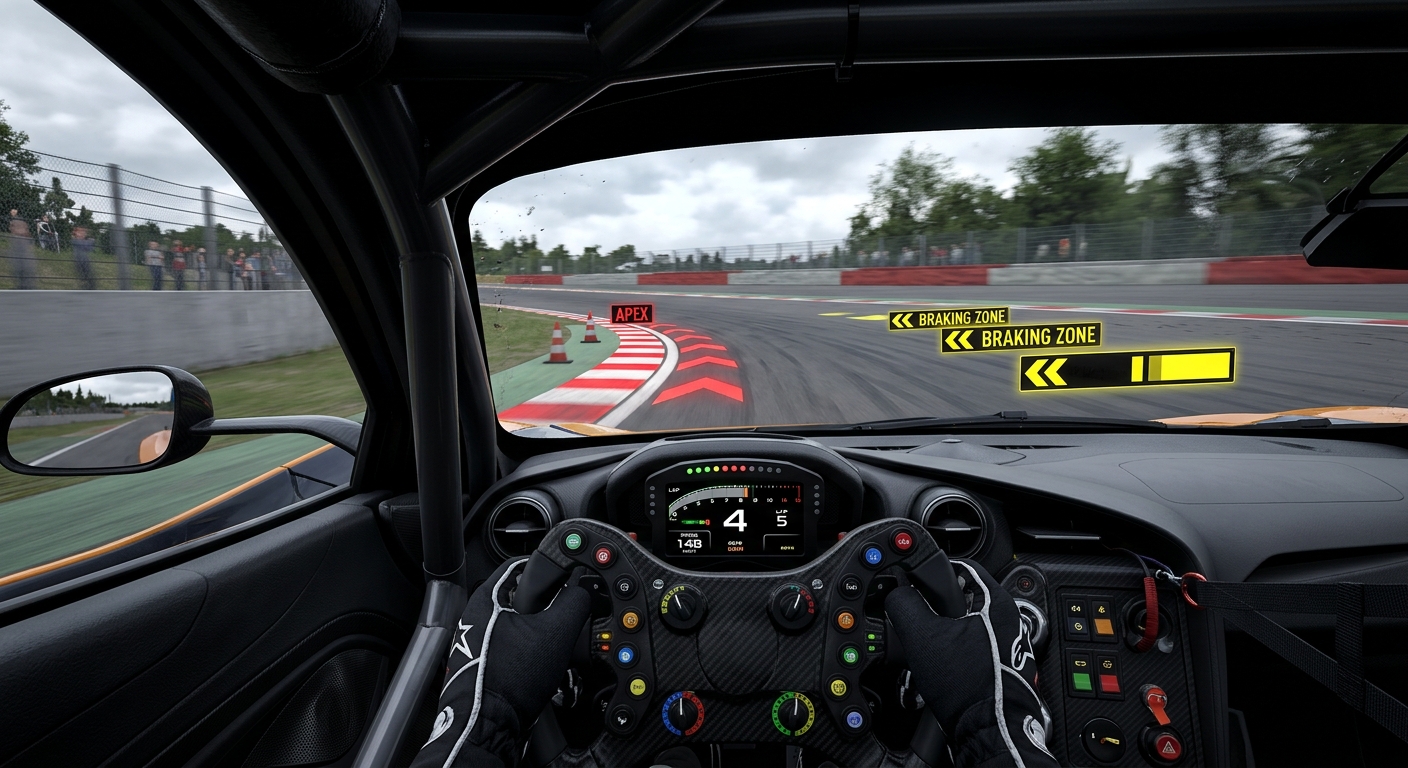
The most significant advantage of sim racing is the development of muscle memory and visual habits. Vision—learning to look past the apex and toward the exit—is a skill that transfers 1:1 to the real world. Similarly, sims allow you to practice threshold braking and trail-braking techniques until they become second nature. Understanding how a car's weight shifts during these transitions prepares you for the physical sensations of a real chassis on track.
Why Telemetry is the Bridge Between Virtual and Reality
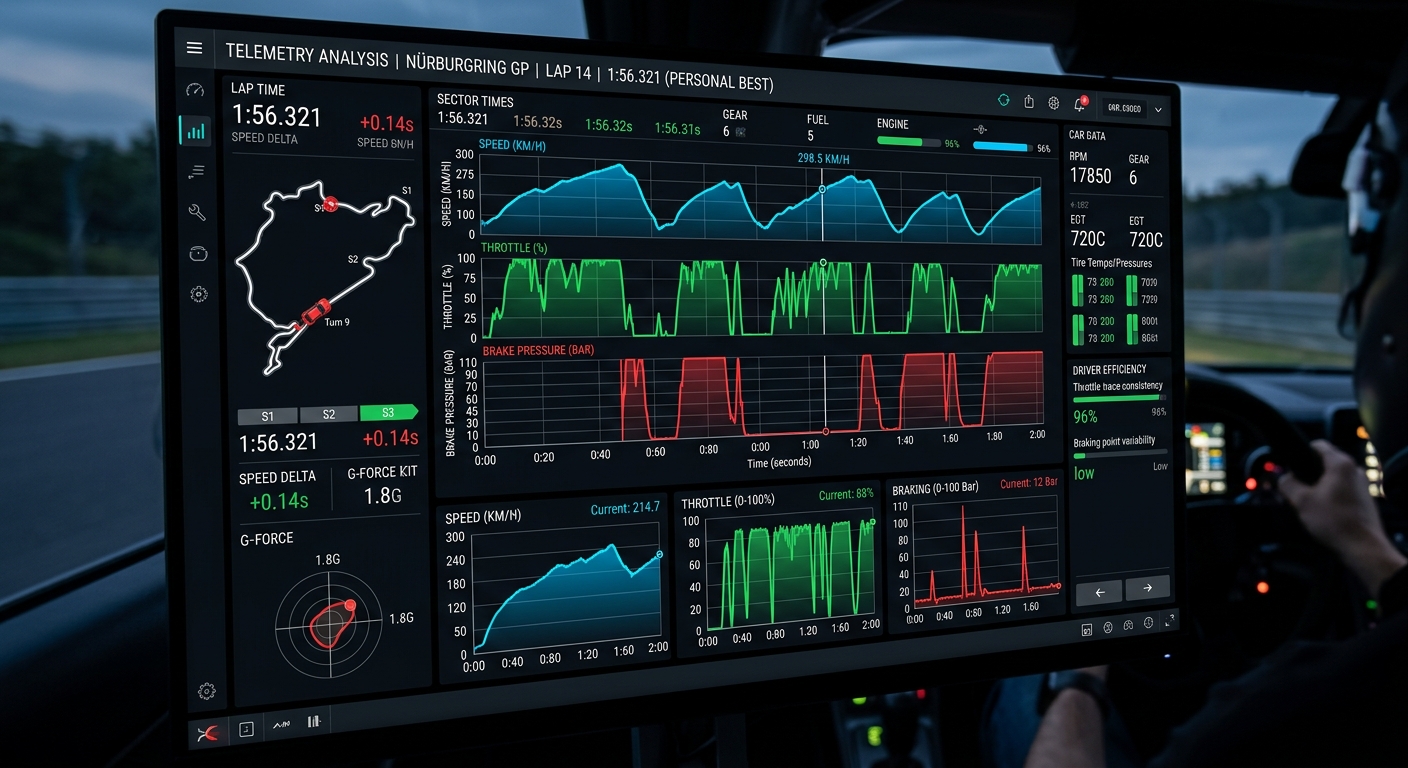
Telemetry is the objective truth that connects your virtual performance to real-world readiness. Tools like RaceData AI allow you to analyze your inputs with surgical precision. By comparing your sim data against benchmark laps, you can identify inconsistencies in your throttle application or braking points. If you can achieve a high level of consistency in the sim, you have the data-driven proof that you are ready for the real grid.
Sim Racing vs. Track Days: A Cost-Benefit Breakdown
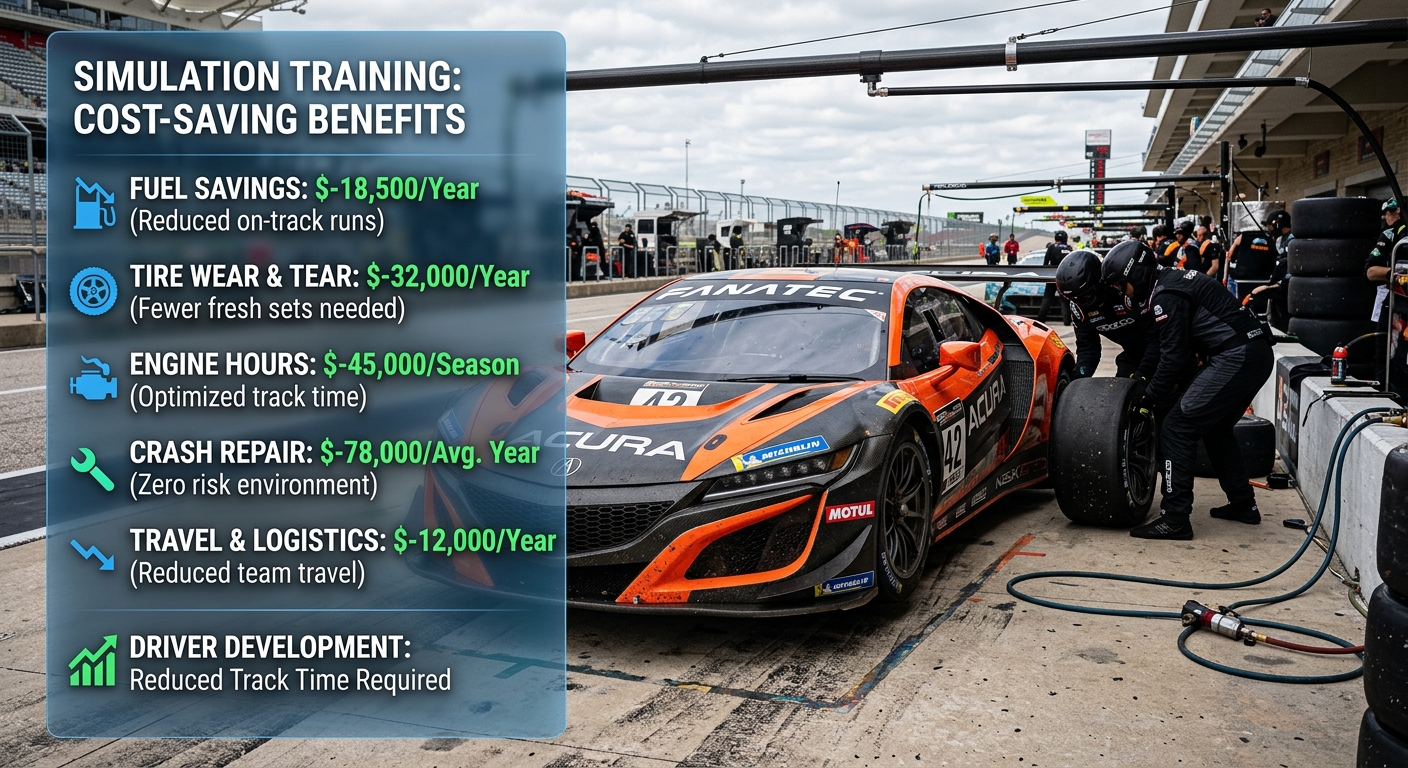
A single real-world track day can cost thousands in fuel, tires, brakes, and entry fees, not to mention the risk of mechanical failure. In contrast, a simulator allows for unlimited 'seat time' for a fraction of the cost. Using the sim to learn track layouts and car behavior ensures that when you finally pay for real track time, you aren't wasting the first three sessions just learning which way the corners go.
FAQ
Can sim racing actually teach you how to drive a real car?
Yes, it teaches the fundamental physics of car control, racing lines, and braking techniques, though it cannot perfectly replicate G-forces.
Which sim is best for real-world track preparation?
Sims that use laser-scanned tracks and advanced physics engines, such as iRacing or Assetto Corsa Competizione, are best for track mapping.
What is the biggest difference between sim and real racing?
The primary differences are the lack of sustained G-forces and the 'fear factor' associated with real-world physical and financial consequences.
How do I know if I am ready for a real track day?
Look at your telemetry consistency. If you can run clean, repeatable laps in the sim without crashing, your foundational skills are ready.
Do professional racing drivers use sims?
Almost all modern professional drivers use simulators to learn new tracks and refine their technique before a race weekend.
Validate Your Skills with RaceData AI
Don't guess if you're ready for the track—prove it. Use RaceData AI to analyze your sim racing telemetry, benchmark your consistency, and refine your braking technique today. Perfect your skills in the virtual world so you can drive with total confidence in the real one.