From Rig to Ring: How Sim Racing Prepares You for Real-World Track Days
sim-racing-vs-real-life-track-prep
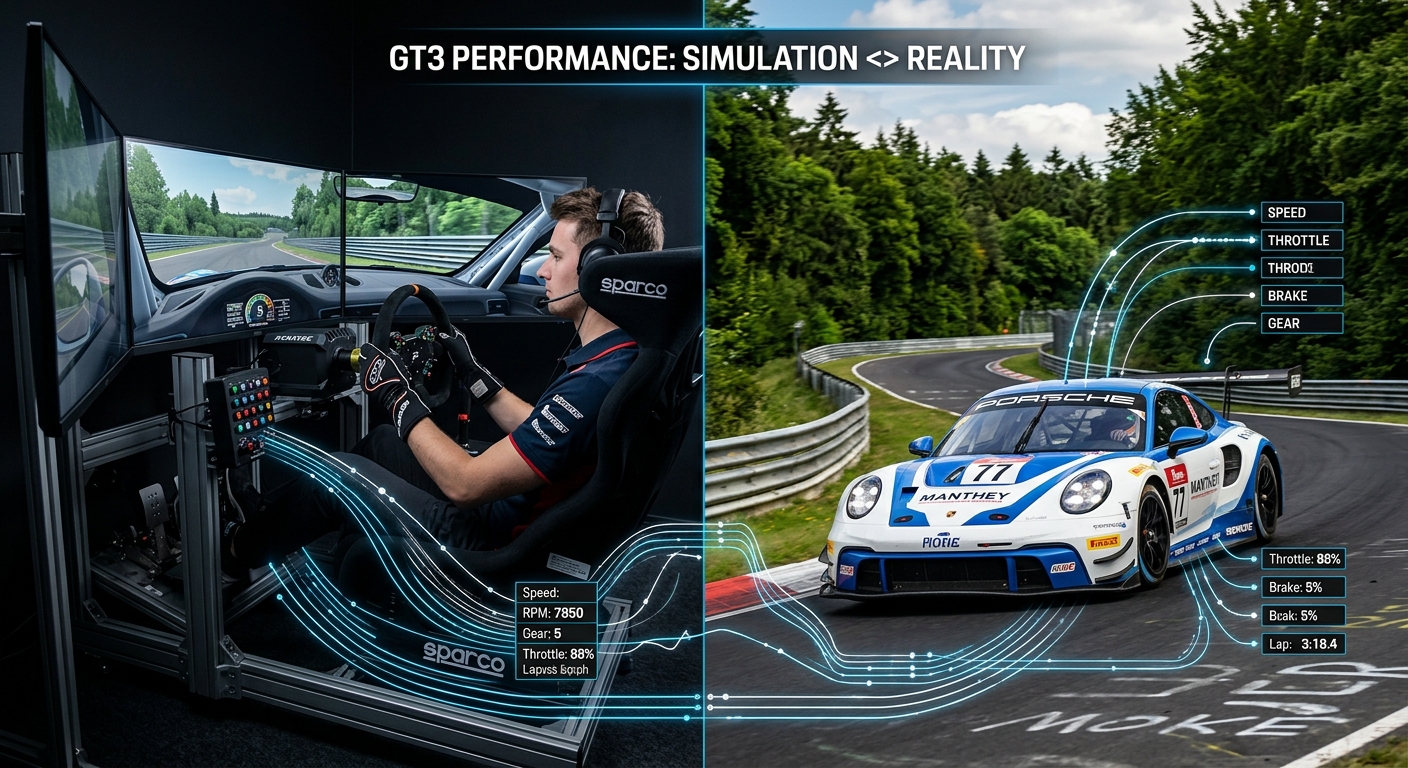
Discover how sim racing training translates to real-world track performance. Learn how track layout memorization and telemetry data bridge the gap to the Nürburgring.
The Science of Skill Transfer: What Simulators Actually Teach You
Sim racing is an incredible tool for developing the cognitive functions required for high-speed driving. While a simulator cannot fully replicate the visceral fear of a crash, it perfectly replicates the mental workload of managing a car at the limit. Visual processing, hand-eye coordination, and the ability to find a racing line are skills that transfer directly. When you sit in a real car, your brain is already accustomed to the speed of information, allowing you to focus on the physical sensations of the chassis rather than learning the basics of the track.
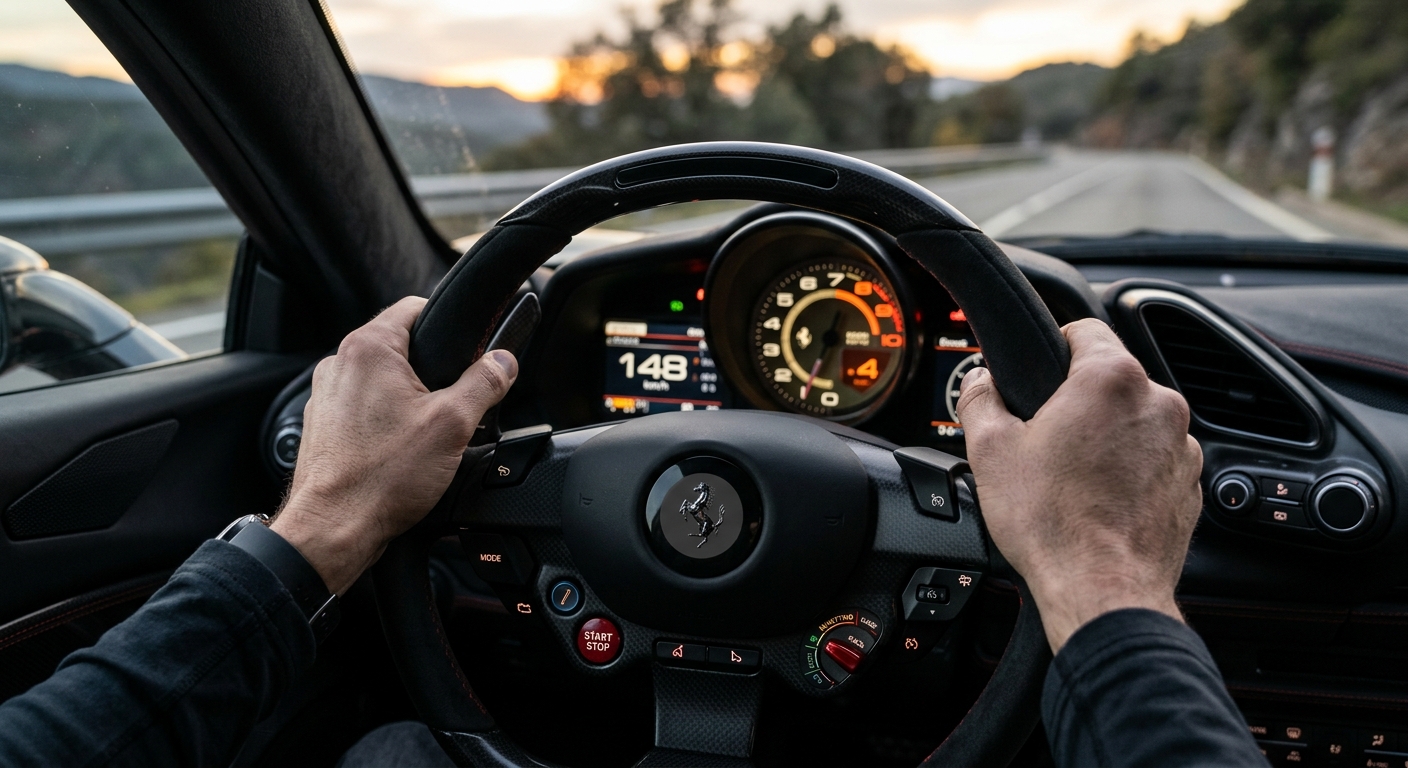
Mastering Track Layout: Why Virtual Laps Save Real-World Money
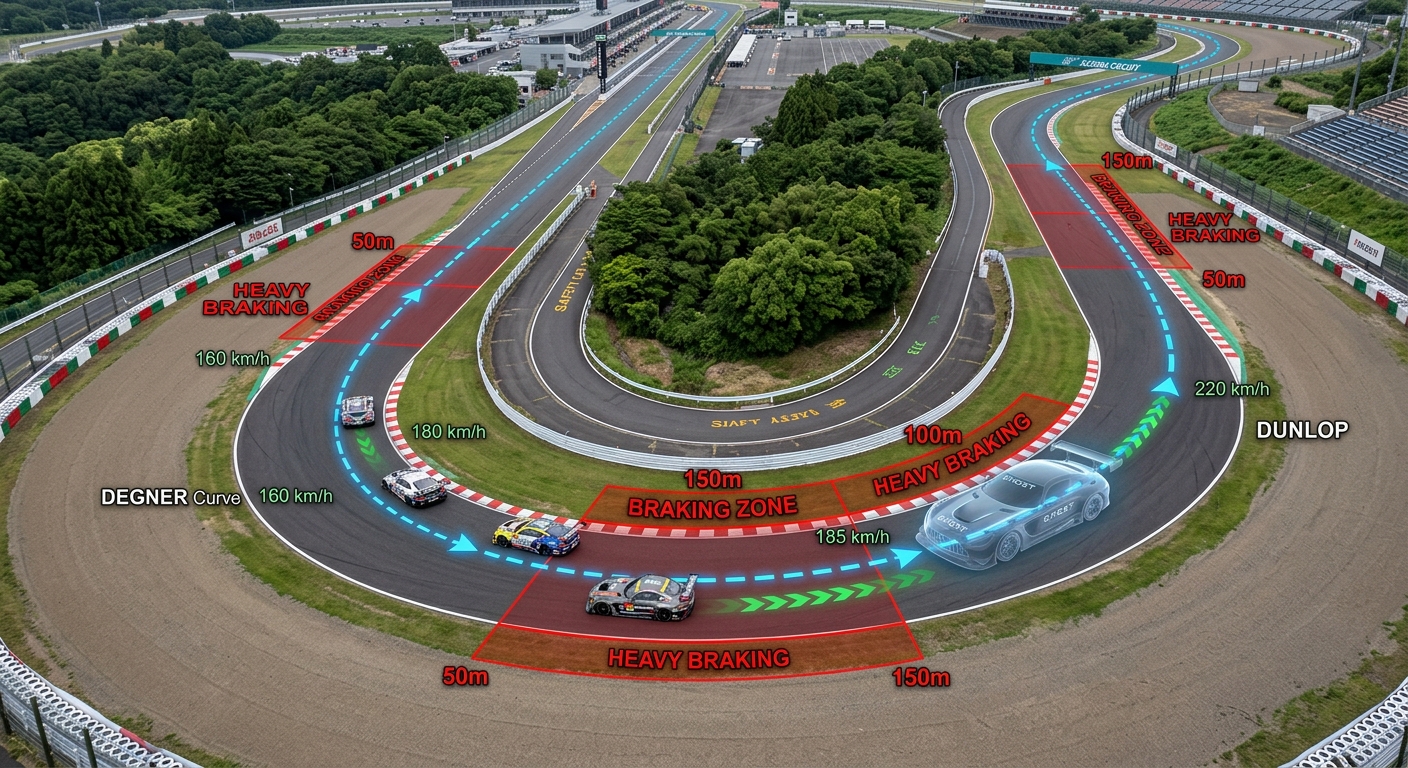
Track time is expensive. Between fuel, tires, and entry fees, every lap carries a significant cost. Simulators allow you to memorize the complexities of technical circuits like the Nürburgring without financial risk. Learning blind crests, turn-in points, and camber changes in a virtual environment means you aren't wasting your first real sessions just trying to figure out which way the road goes. This preparation leads to better safety and faster progression, as you can spend your real track time refining your technique rather than learning the map.
FAQ
Can sim racing really make me faster in a real car?
Yes. By building muscle memory and track knowledge in a simulator, you significantly reduce the learning curve and mental load when you transition to a real circuit.
What is the biggest difference between sim racing and real life?
The primary differences are the sustained G-forces, the physical vibration of the car, and the 'fear factor' associated with real-world consequences.
Are tracks like the Nürburgring accurate in racing simulators?
Modern simulators use laser-scanning technology to replicate tracks with millimeter precision, including the exact location of bumps, curbs, and elevation changes.
Should I use the same car in the sim as I do on the track?
Ideally, yes. Using a car with a similar drivetrain, weight distribution, and power-to-weight ratio helps ensure the skills and braking points translate effectively.
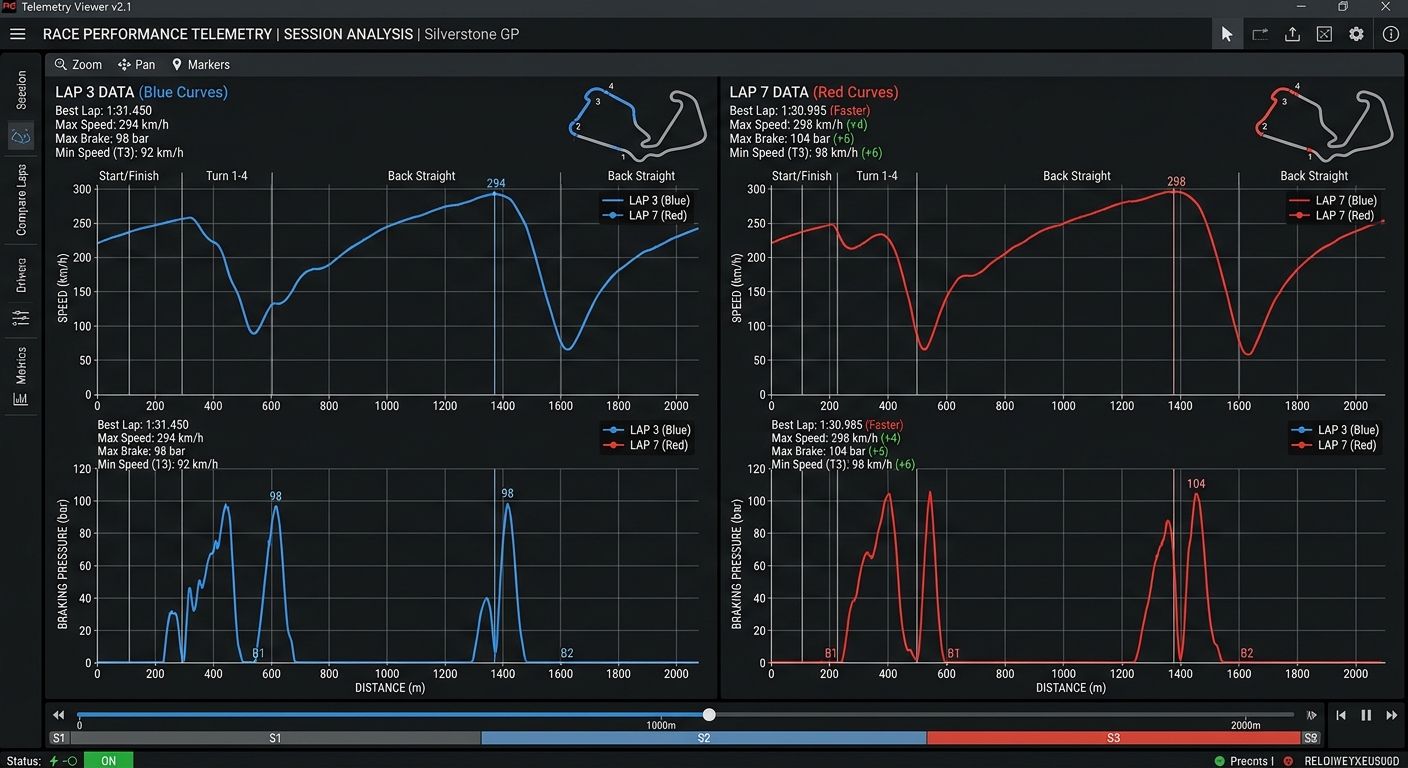
How does telemetry help with real-world track preparation?
It allows you to identify specific, objective reference points for braking and acceleration, which you can then look for and execute during your real-world laps.
Master Your Braking Points Before the Pit Lane
Don't wait until you are on the track to find your limits. Use RaceData AI to refine your telemetry and braking consistency in the sim today, ensuring you are ready for every corner of the real world.