Is Higher Torque Actually Faster? Why Nm Matters for Sim Racing Performance
sim-racing-wheelbase-torque-performance
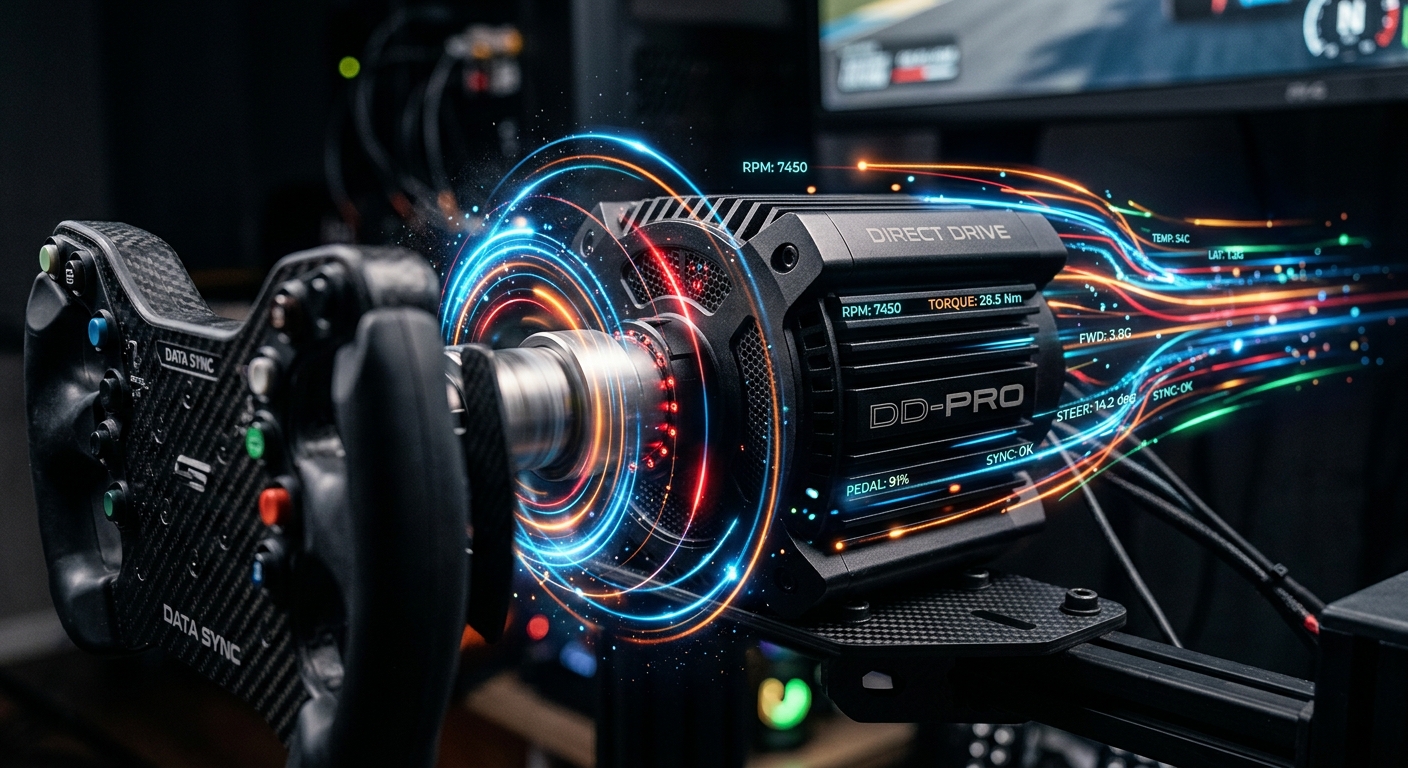
Discover why high-torque wheelbases are more than just heavy steering. Learn how Newton-meters affect telemetry fidelity, FFB clipping, and your ability to catch slides.
Beyond the Strength: What Does Higher Nm Actually Do?
Newton-meters (Nm) represent the rotational force a wheelbase can generate. In sim racing, this isn't just about making the wheel hard to turn. High-torque bases provide a greater dynamic range, allowing the motor to express subtle vibrations like curb strikes and tire scrub while still maintaining the heavy load of a high-speed corner. Peak torque refers to the maximum force for short bursts, while holding torque is what the motor can sustain during long corners. Together, they create a detailed picture of what the front tires are doing at every moment of the lap, providing the driver with more actionable information.
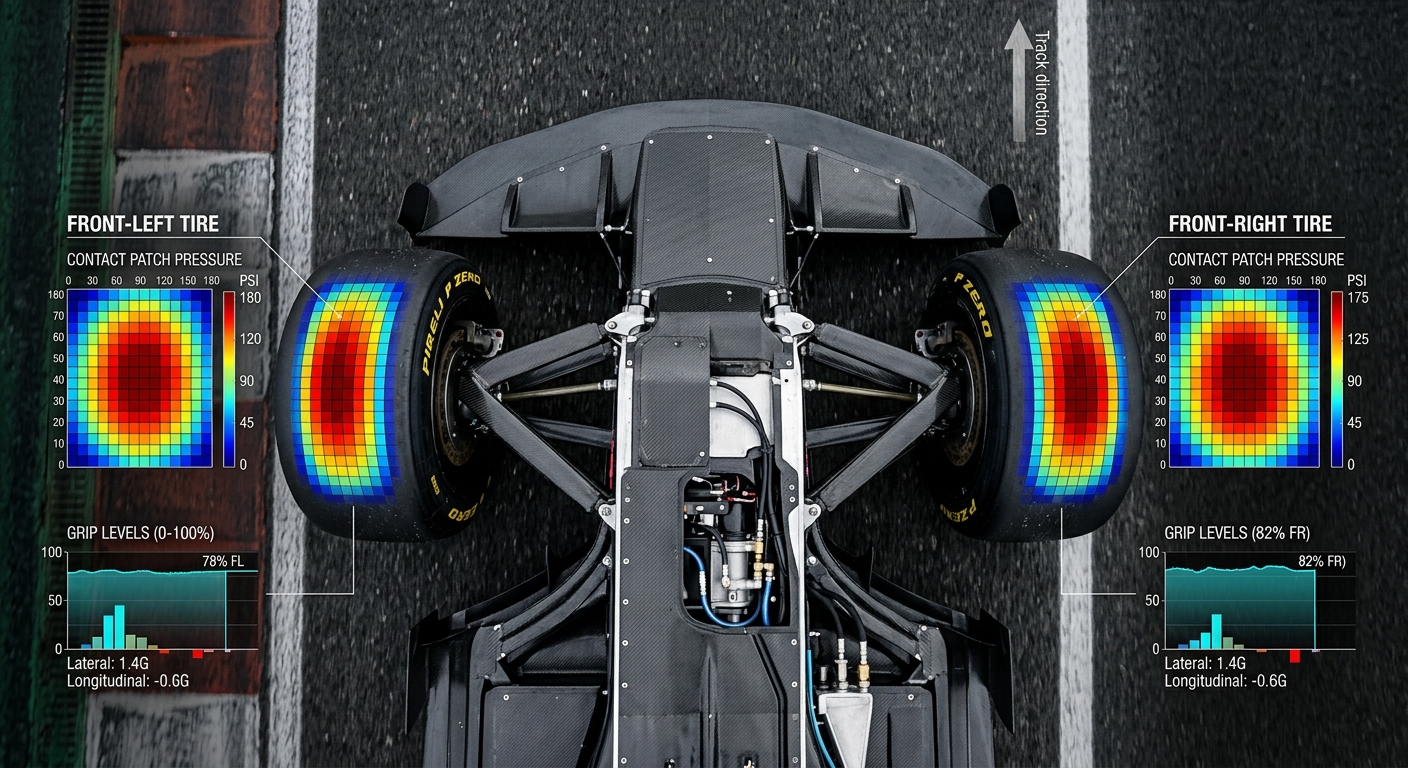
The FFB Clipping Problem: Why Lower Torque Hides Your Performance Data
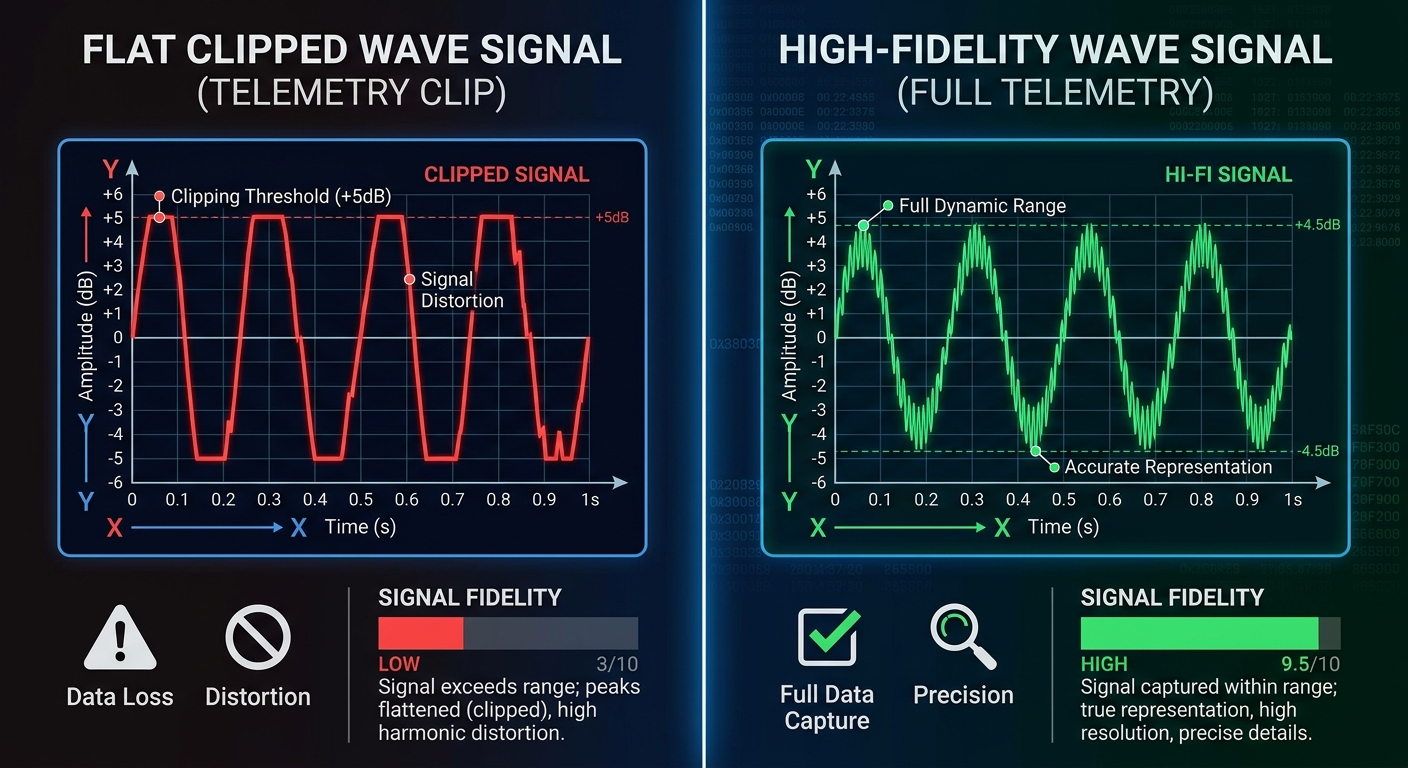
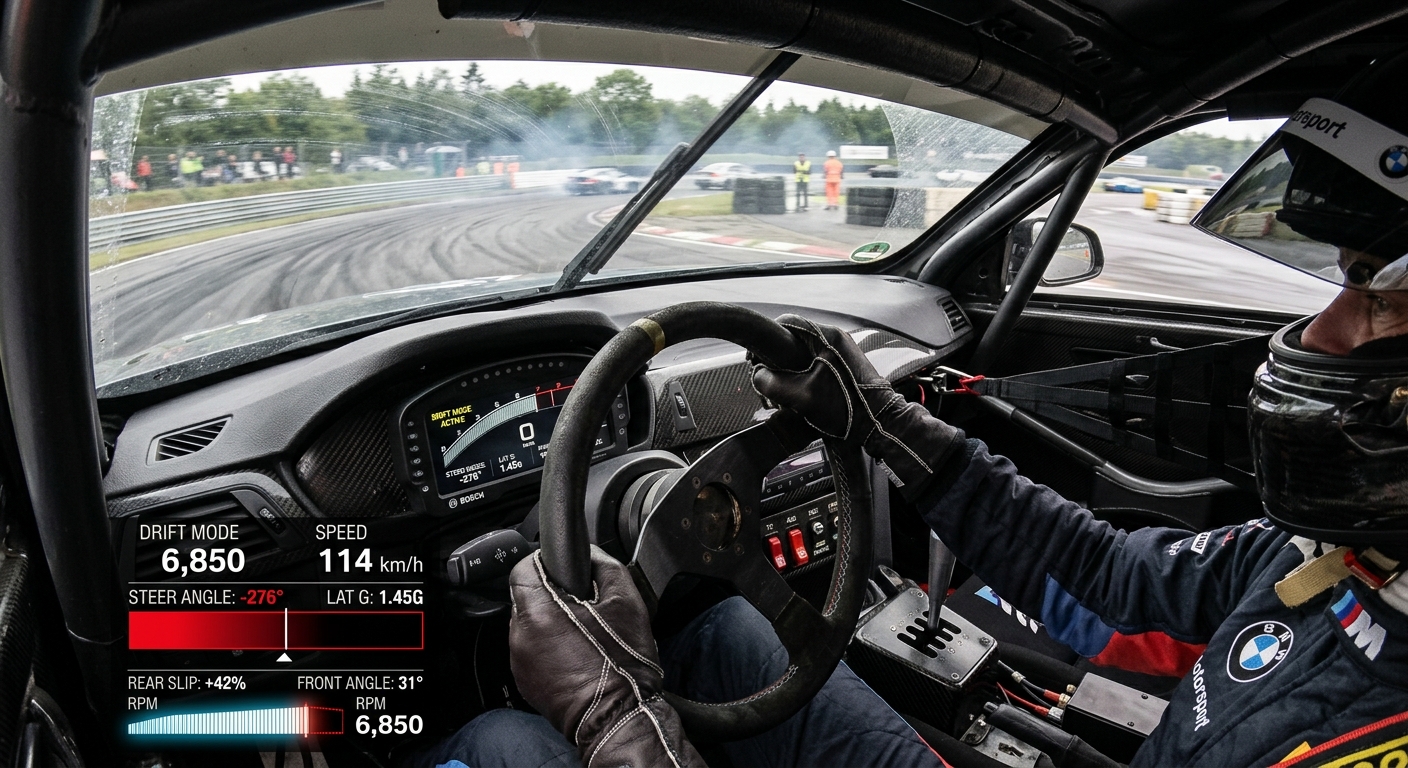
FFB clipping occurs when the game sends a signal stronger than your wheelbase can physically output. On a 2Nm or 5Nm wheel, mid-corner forces often hit the hardware's limit, causing the feedback to feel flat or mushy. This is where you lose vital performance data because the wheel cannot get any heavier to signal a change in grip. With a 10Nm+ base, you have enough headroom to ensure the signal never hits the ceiling. This allows you to feel the difference between 90 percent and 100 percent grip, helping you identify exactly when the tires are beginning to wash out or understeer.
FAQ
What is Nm in sim racing?
Nm stands for Newton-meters, which measures the torque or rotational force the wheelbase motor can produce to simulate steering resistance.
Is 5Nm enough for beginners?
5Nm is a great starting point, but you may experience clipping in high-downforce cars, which can hide subtle grip changes.
What is FFB clipping?
Clipping happens when the simulation's force output exceeds the wheel's power, resulting in a loss of detail and a flat feeling.
Does higher torque cause driver fatigue?
It can, but the benefit is clarity. You can tune a high-torque wheel to be lighter while still retaining the detailed feedback.
Is direct drive better than gear driven?
Yes, direct drive connects the wheel directly to the motor shaft, offering the fastest response times and the highest fidelity.
Optimize Your Inputs with RaceData AI
Ready to see if your hardware is holding you back? Use RaceData AI to compare your physical steering inputs against the car's actual telemetry. Identifying where you are over-driving or missing grip cues is the first step toward professional-level consistency. Start analyzing your laps today to ensure your setup is tuned for maximum performance.