Why You’re Slower with a Wheel (and the Data-Driven Secrets to Beating Your Gamepad Times)
slower-with-racing-wheel-than-controller
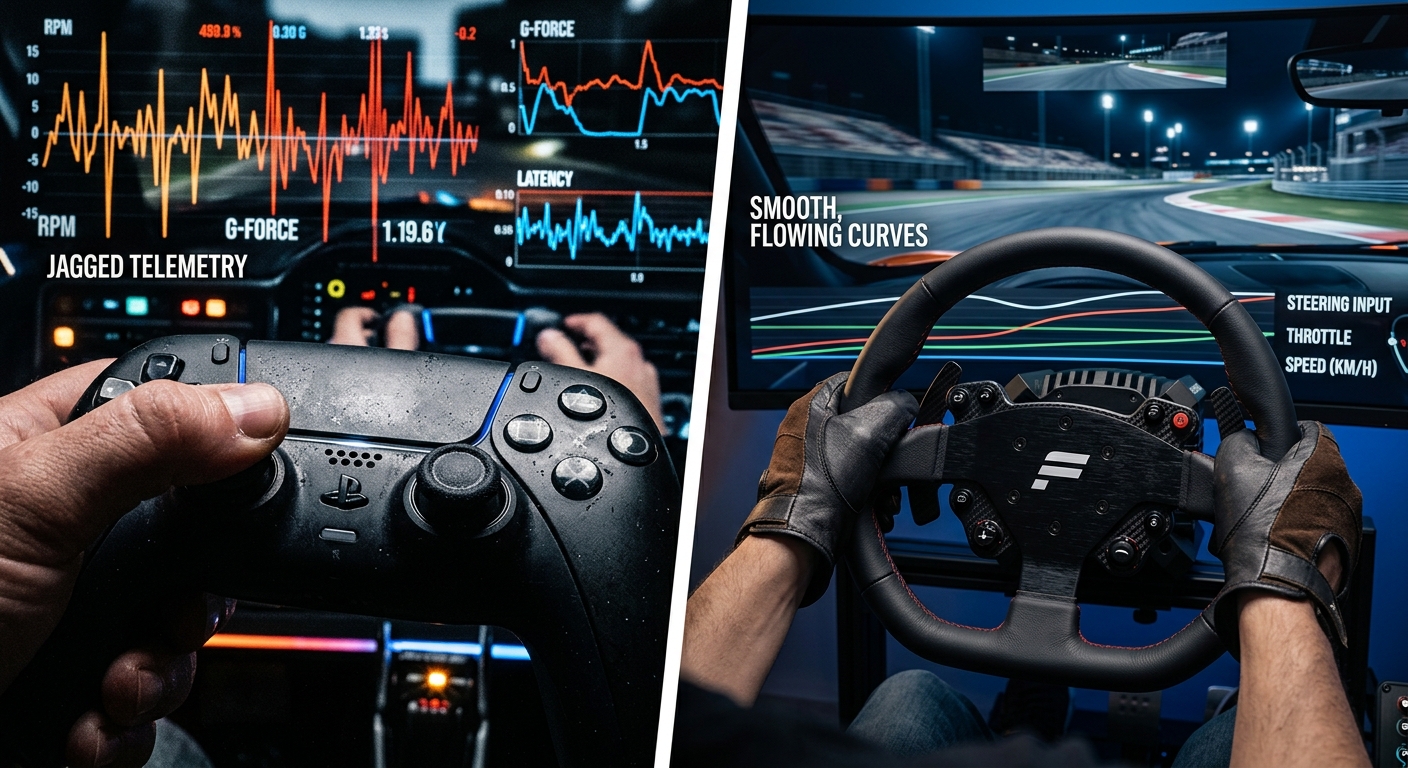
Moving from a gamepad to a wheel often results in slower lap times. Discover how to overcome the learning curve and use telemetry to master your new racing hardware.
Assist Dependency: What the Gamepad Was Doing Behind Your Back
The primary reason for your initial struggle is that modern racing games use sophisticated steering filters for controllers. When you move a thumbstick, the game isn't giving you 1:1 control; it is smoothing your inputs, managing counter-steer, and adjusting steering speed based on the car's velocity. On a racing wheel, these 'invisible' safety nets are gone. You are now responsible for every degree of rotation. Telemetry often shows that gamepad users are used to 'flicking' the stick, which translated to smooth steering in-game thanks to assists. On a wheel, that same flicking motion results in a jagged input line, upsetting the car's balance and causing immediate spins or loss of traction.
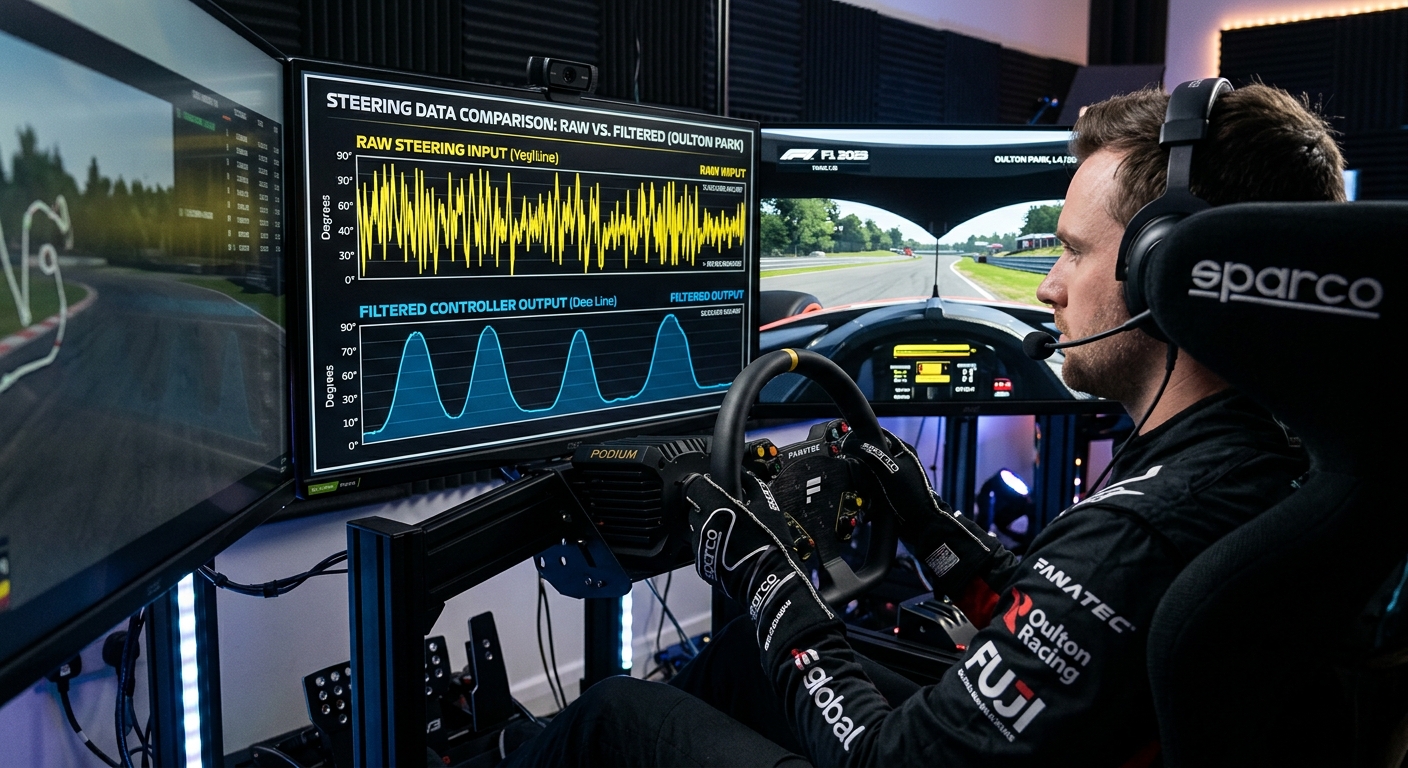
Precision Over Speed: Re-learning Steering and Pedal Inputs
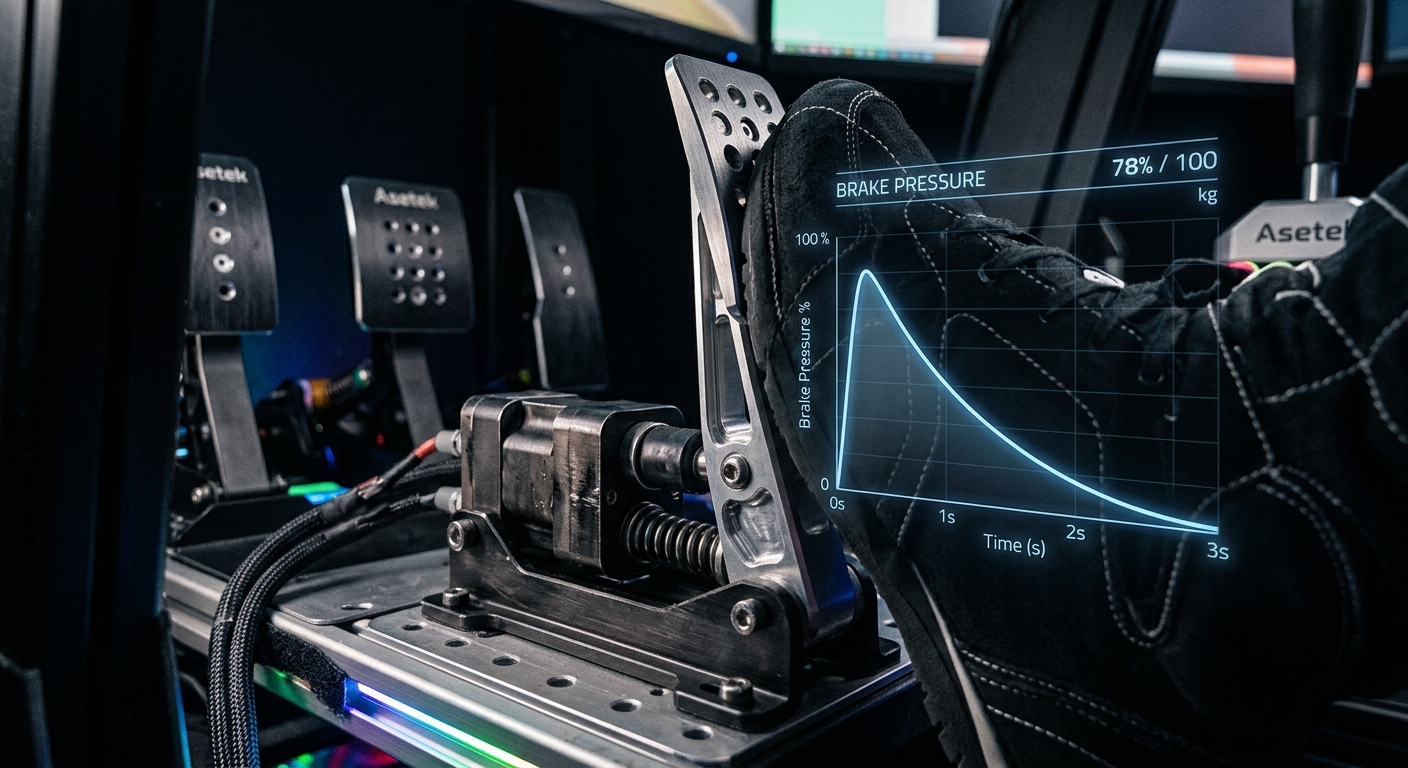
The mechanical difference between a 1-inch thumbstick and a 900-degree steering wheel is massive. You must move from digital-style micro-movements to analog, sweeping motions. This shift is even more pronounced in the pedals. Gamepad triggers have very short travel, leading many drivers to treat them like buttons—100% brake or 0% brake. A racing wheel setup requires you to use your entire leg to modulate pressure. Telemetry reveals that new wheel users often 'spike' their brakes, locking the wheels instantly. Mastering 'trail braking'—the act of slowly releasing the brake as you turn—is nearly impossible on a controller but is the key to elite lap times on a wheel.
FAQ
Why am I slower with a wheel than a controller?
You are slower because you have lost the hidden steering filters and assists that games provide to controller users. You are also building entirely new muscle memory for your arms and legs.
How long does it take to get faster on a wheel?
Most drivers take between 2 to 4 weeks of consistent practice to match their gamepad times. After this point, the increased precision usually leads to faster and more consistent laps.
Should I turn on assists to help the transition?
It is better to keep assists off or at a realistic level. Using 'fake' steering assists on a wheel can prevent you from learning the correct physical feedback and hinder your long-term growth.
What is the biggest mistake beginners make with a wheel?
Overdriving. Beginners often steer too much and brake too hard, expecting the car to 'save' them like it did on a controller. Focus on smoothness rather than raw speed initially.
How can telemetry help me get faster?
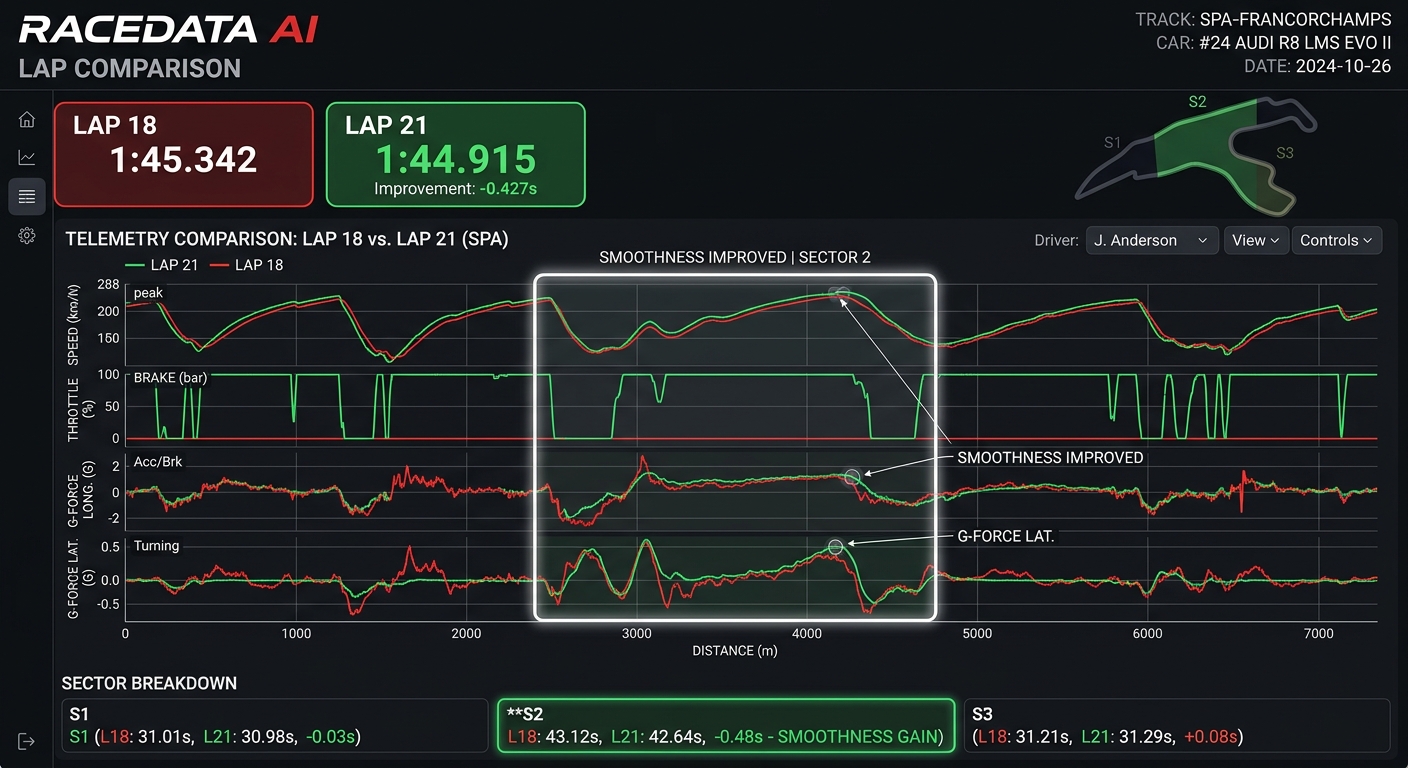
Telemetry allows you to see 'jagged' inputs that you can't feel. By identifying where your steering or braking is erratic, you can consciously smooth out your motions to maintain car balance.
Bridge the Performance Gap with RaceData AI
Don't let the performance cliff discourage you. Upload your telemetry to RaceData AI today and compare your 'jagged' wheel inputs against professional benchmarks to see exactly where you can find your missing speed.