Fast but Failing: How to Turn Your Qualifying Speed into Race Wins
turn-qualifying-speed-into-race-wins
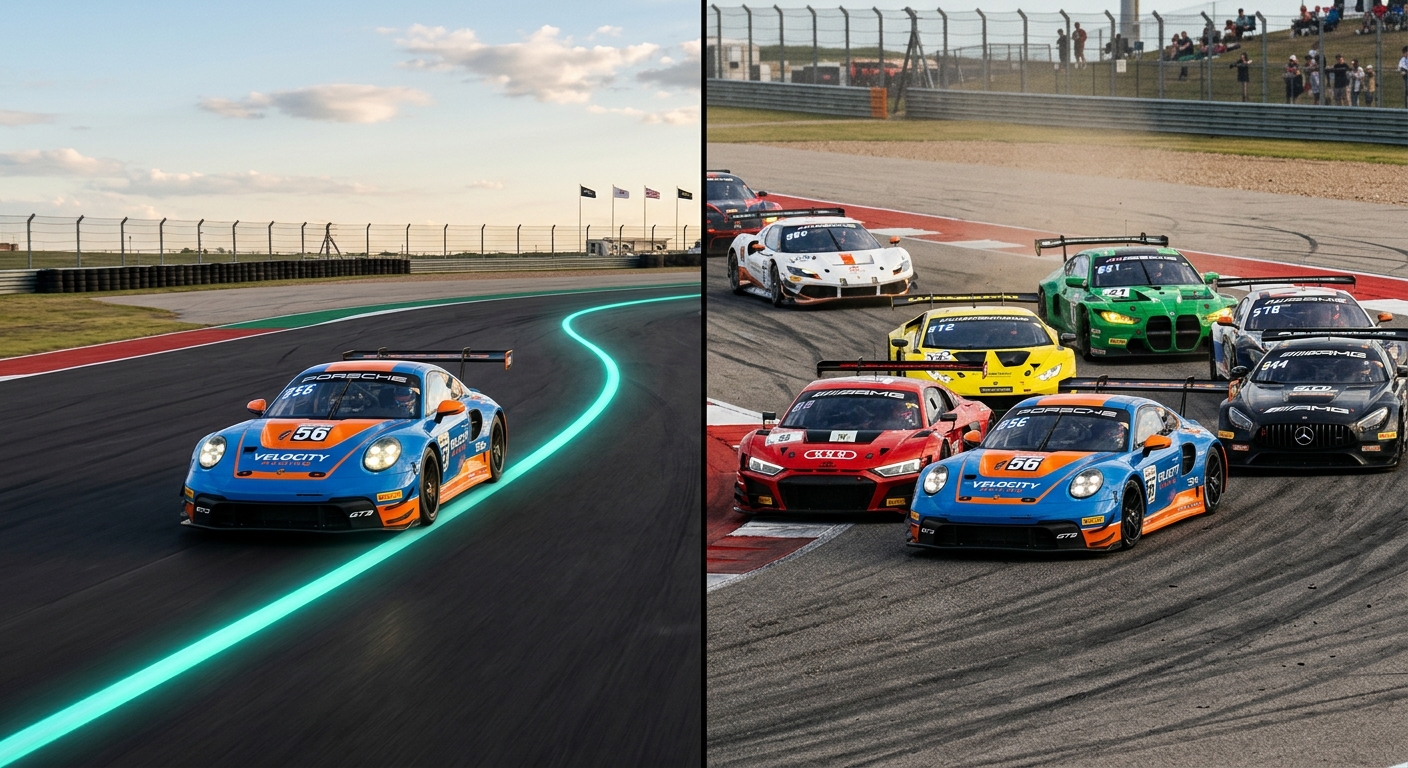
Learn why top-tier qualifying pace doesn't always lead to race wins and how to master racecraft, tire management, and consistency to improve your iRating and race results.
The Hotlap Trap: Why Your Best Lap is Holding You Back
The primary issue with hotlapping is the over-reliance on the 'ideal' line. In qualifying, you have the luxury of using every inch of the track to maximize entry and exit speeds. In a race, that line is rarely available. If you only practice the perfect line, you become vulnerable the moment a competitor forces you to the inside or outside. Racecraft requires the ability to drive 'off-line' without losing significant time or control. When you are stuck in the Hotlap Trap, you lack the muscle memory to handle the car when the racing line is blocked, leading to unnecessary incidents and lost positions.
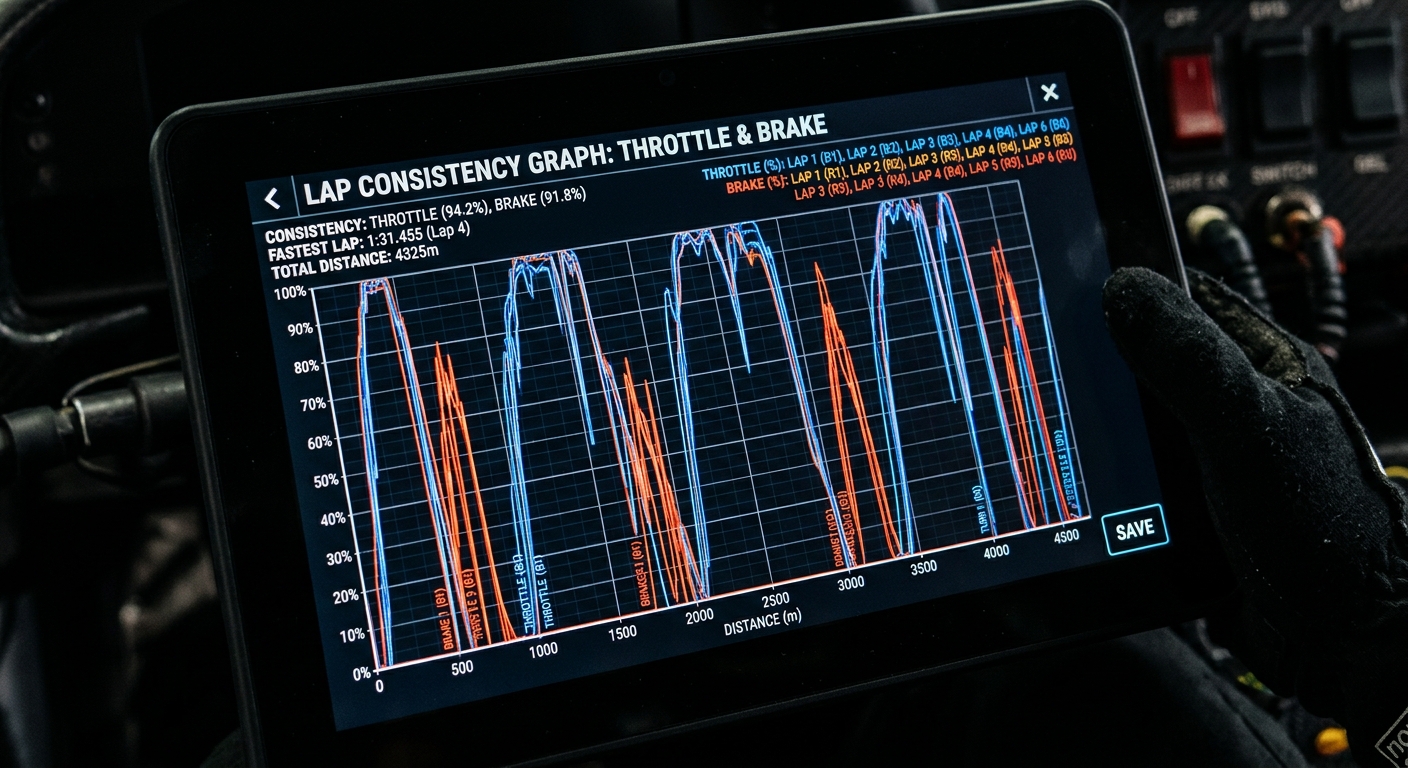
Telemetry Analysis: Qualifying Pace vs. Race Stint Consistency
Telemetry reveals the truth about your performance. A qualifying lap is often a high-risk effort on low fuel and fresh tires. In contrast, race pace requires managing tire degradation and fuel weight over 20 or more laps. Analyzing your lap-by-lap variance is key to improvement. If your fastest lap is significantly quicker than your average race lap, your consistency is the bottleneck. By using data to identify where your inputs become erratic as tires heat up, you can adjust your driving style to maintain a stable, competitive floor rather than chasing an unreachable ceiling.
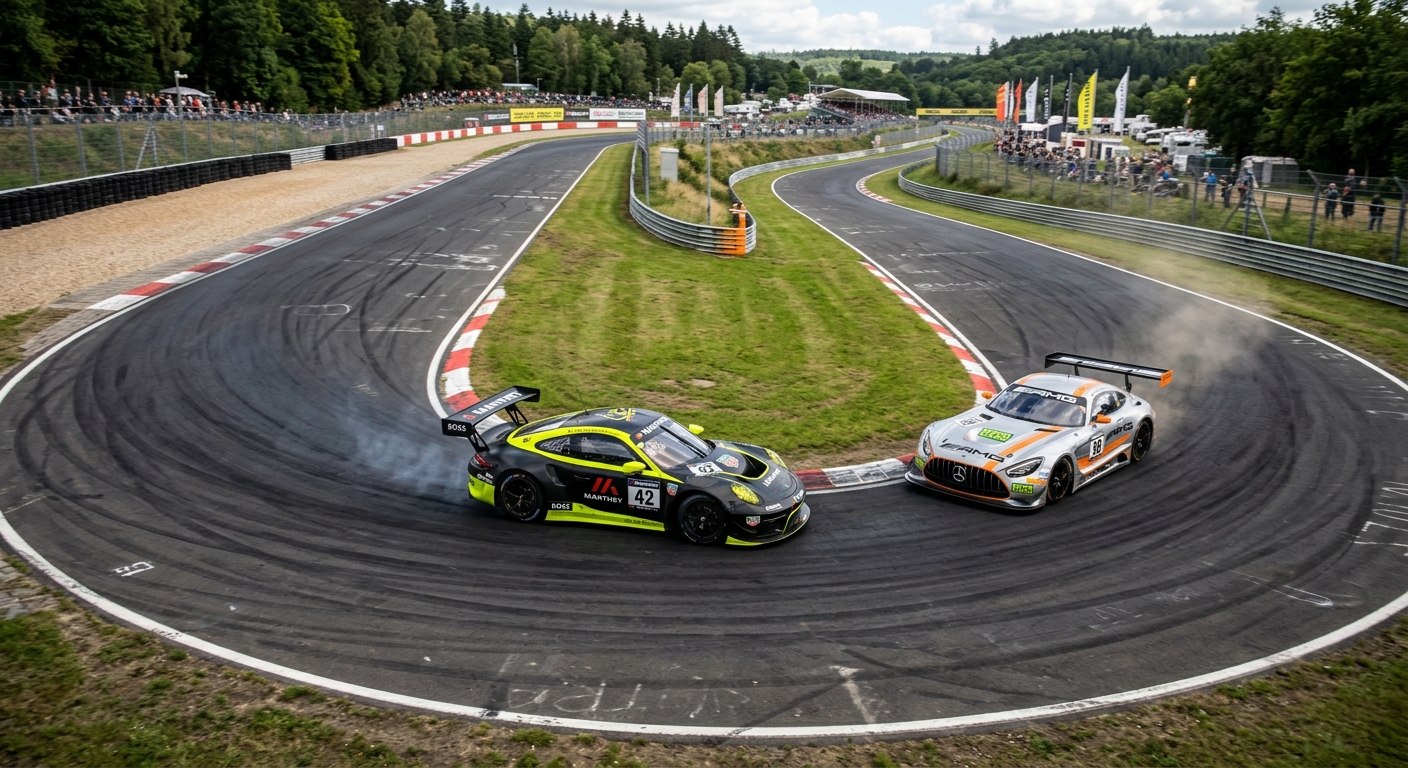
Adapting Your Braking: Mastering Traffic and Non-Ideal Lines
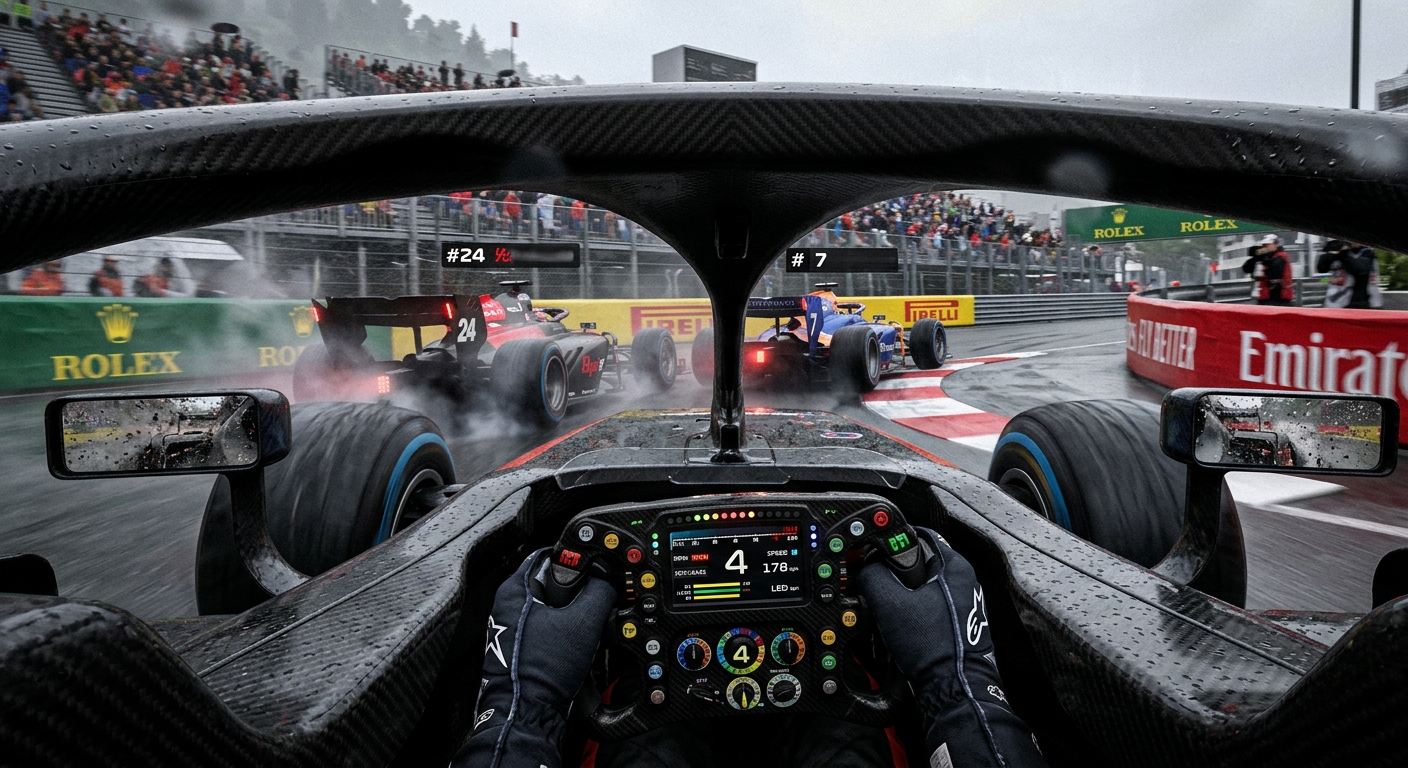
One of the most common causes of race-ending accidents is using qualifying braking markers while following another car. In traffic, your aerodynamic grip is reduced, and your sightlines are often obscured. You must learn to adapt your braking by starting slightly earlier with less initial pressure to react to the car ahead. Additionally, mastering off-line driving involves adjusting your apex to prioritize exit speed while protecting the inside lane. By modifying your markers and car placement based on surrounding traffic, you transform your raw speed into a strategic tool for overtaking.
FAQ
Why am I fast in practice but slow in races?
Practice often involves ideal conditions and clean air. In races, you deal with dirty air, heavier fuel, and the need to drive off-line to defend or overtake.
How does telemetry help with race consistency?
Telemetry allows you to compare your best laps against your average race pace, highlighting where your braking or throttle application becomes inconsistent as tires wear.
What is the biggest mistake racers make in traffic?
Using qualifying braking markers while following another car is a major error. Reduced downforce and limited visibility mean you must brake earlier to avoid collisions.
How can I improve my tire management?
Use telemetry to monitor tire temperatures and slip angles. Avoid over-driving the car in the early laps to preserve grip and prevent overheating during the final stint.
What should I focus on to increase my iRating?
Prioritize finishing races over setting the fastest lap. Developing racecraft and consistency is more valuable for long-term ranking than raw qualifying speed.
Master Your Race Pace with RaceData AI
Stop falling into the Hotlap Trap. Upload your full race sessions to RaceData AI to compare your lap-by-lap variance and identify exactly where your pace drops off in traffic. Start turning your raw speed into consistent race wins today.