Why Braking Early Isnt Enough: The Data-Driven Guide to Surviving Sim Racing Chaos
why-braking-early-isnt-enough-sim-racing-racecraft
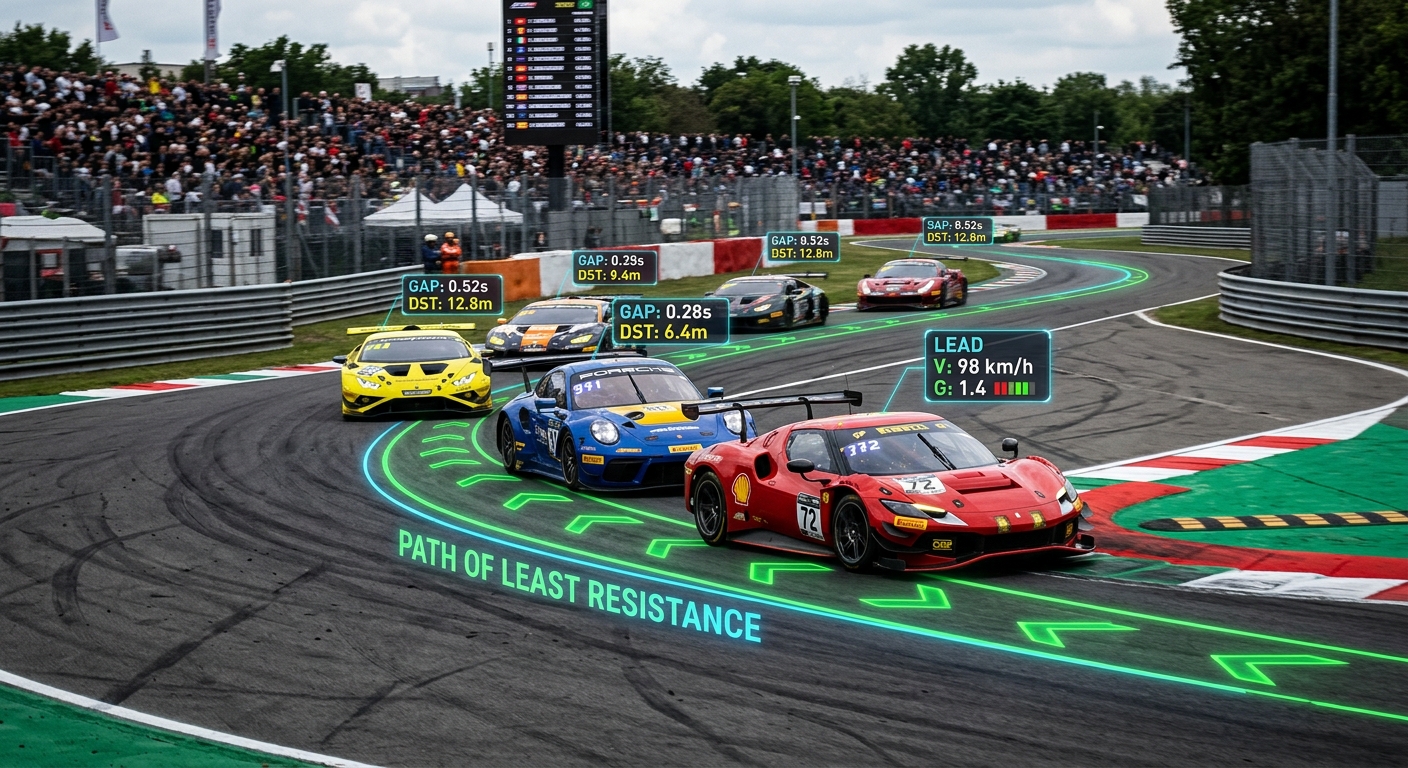
Tired of being wrecked in Monza Turn 1? Discover why playing it safe by braking early often causes more accidents and how to use data-driven racecraft to survive public lobbies.
The Monza Paradox and the Physics of Chain Reactions
The Monza Paradox occurs when a driver tries to be safe by braking much earlier than necessary. While well-intentioned, this creates a massive speed differential that trailing drivers do not expect. In a public lobby, most drivers use the car ahead as their primary braking marker. When you brake 20 meters early, you trigger a chain reaction. The car behind must react instantly, often resulting in a lock-up or a rear-end collision that collects half the grid. Data shows that being predictable is far safer than being slow. Safety isn't just about avoiding contact; it is about managing the energy and expectations of the pack behind you.
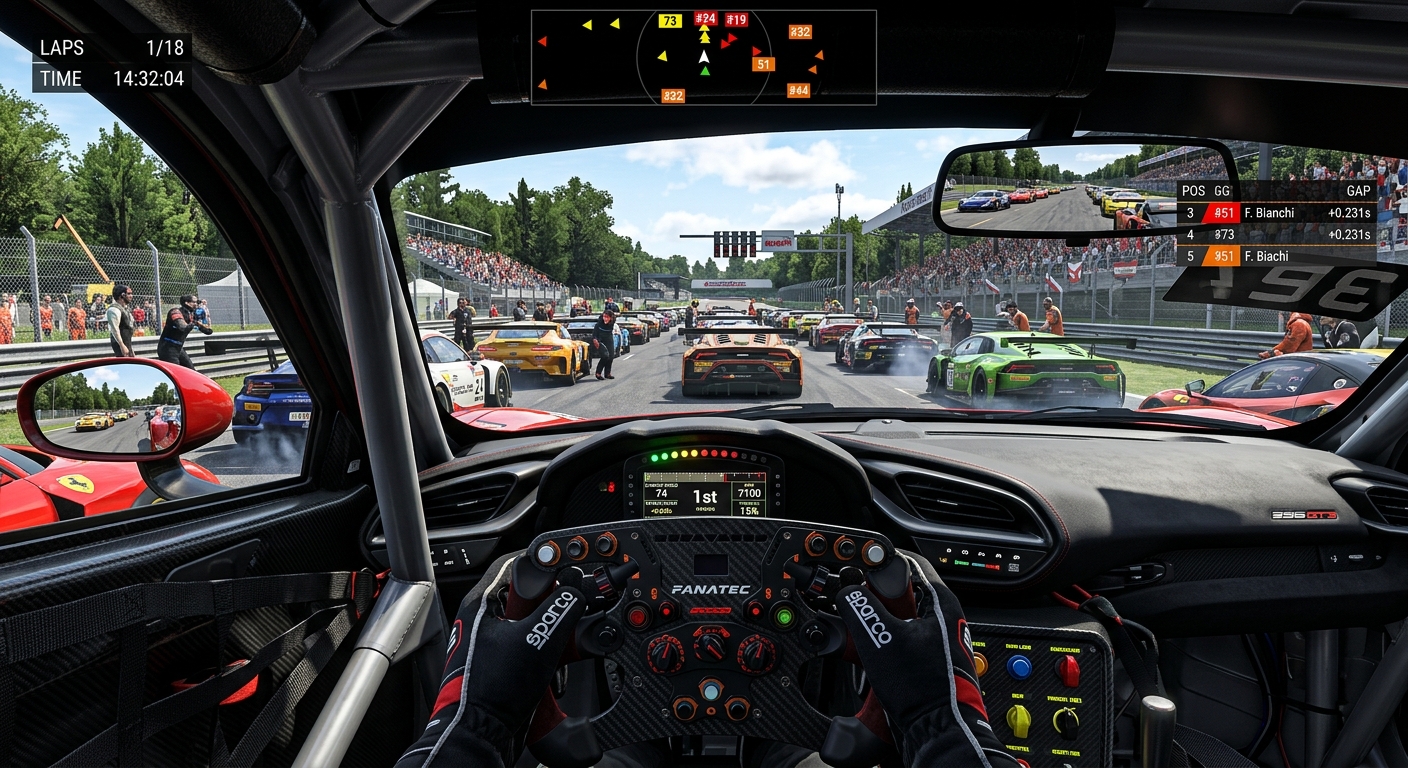
Predictive Racecraft: Using Spatial Data to See the Crash
Survival IQ is the ability to use mirrors and radar as data inputs to anticipate chaos before it happens. Instead of just looking at the apex, look for 'unstable' data points: a car behind that is late to brake, or a driver weaving aggressively. Predictive racecraft involves positioning your car not just to follow the racing line, but to dictate the space around you. This means taking a slightly defensive line—not to block, but to force the driver behind into a wider, more visible entry. By controlling the geometry of the corner, you minimize the chance of a 'dive-bomb' and give yourself an escape route if the cars ahead tangle.
FAQ
Why did I get hit even though I braked early to stay safe?
Braking significantly earlier than the standard braking point creates an unexpected speed differential. Drivers behind often use you as a marker; if you brake too early, they may not have the reaction time or grip to avoid hitting you.
How can I avoid the turn 1 pileup at Monza?
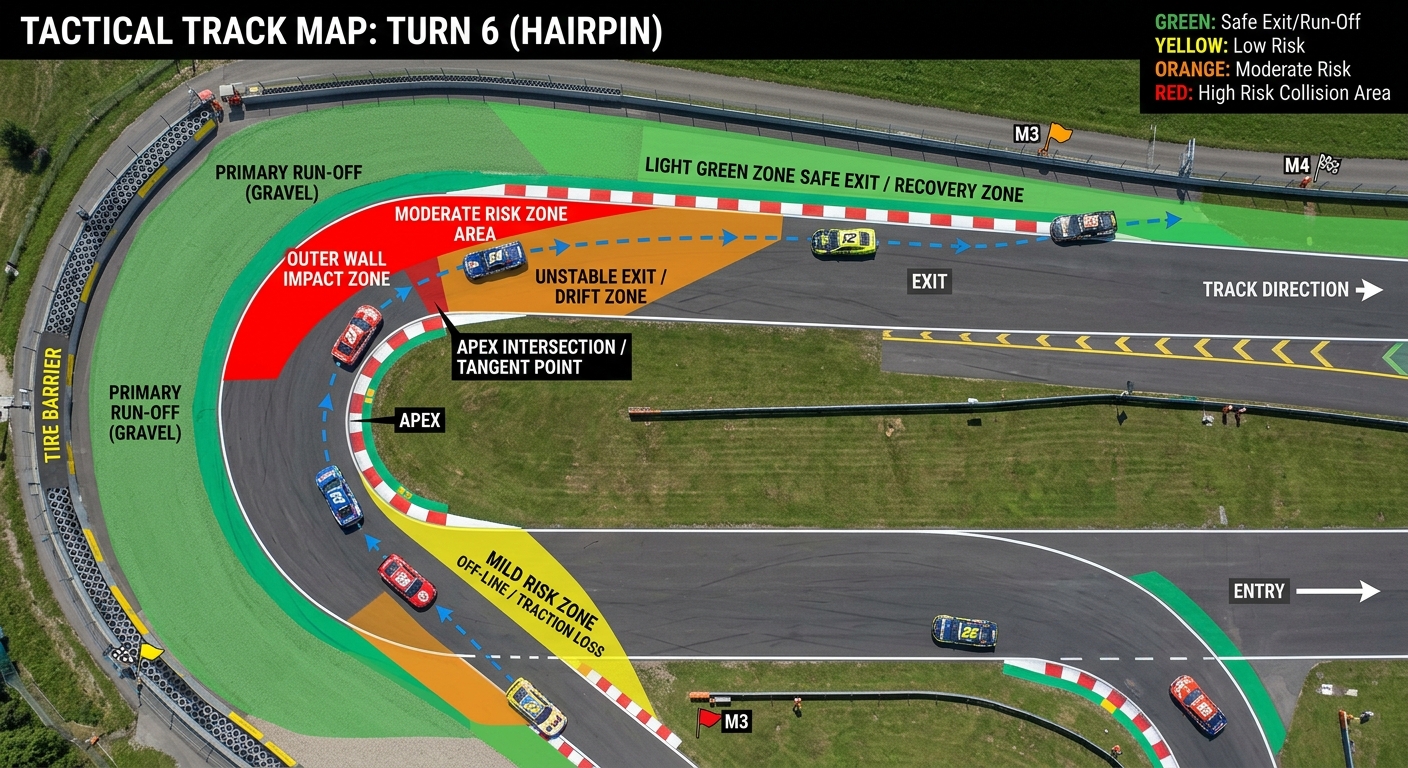
Focus on being predictable. Use your mirrors to identify aggressive drivers, take a defensive line to protect your corners, and always look for an 'escape route' in the grass or runoff areas before the braking zone begins.
What is the difference between leaving space and dangerous positioning?
Leaving space means giving a car room to exist beside you. Dangerous positioning is being indecisive or sitting in a 'blind spot' where the other driver cannot see you, making a collision more likely.
How does telemetry help with racecraft?
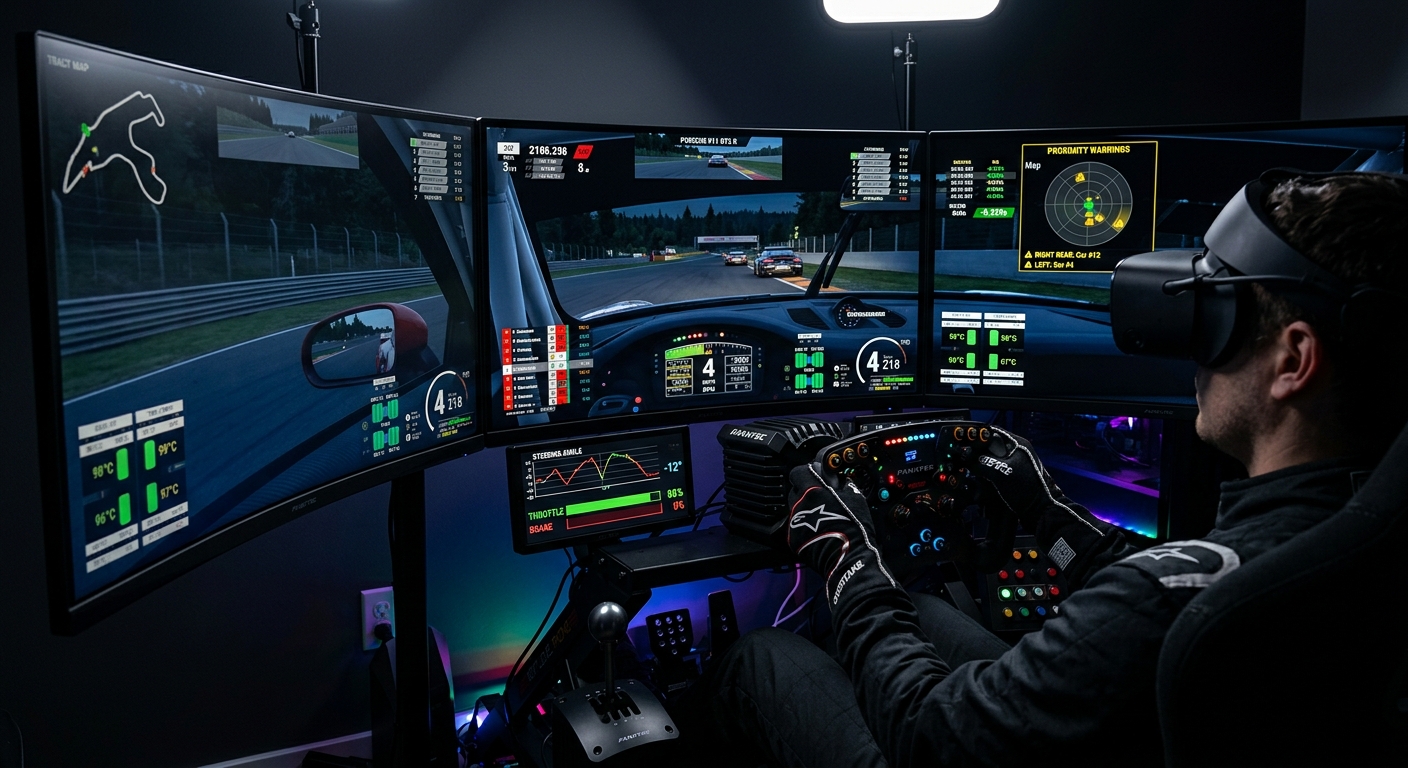
Telemetry allows you to see if your inputs are smooth or erratic. By comparing your data to others, you can see if your braking points are causing confusion for the cars following you.
How do I increase my safety rating quickly?
Prioritize finishing races without contact over winning. Focus on consistent, predictable lap times and use your Survival IQ to stay away from aggressive packs, even if it means losing a position temporarily.
Turn Your Crashes into Lessons
Stop guessing why you keep getting caught in wrecks. Upload your replay data to RaceData AI today to analyze your positioning and braking inputs. Get objective feedback on your racecraft and start climbing the ranks with data-driven survival strategies.