Why Your Pedals Are Blocking Your Progress: Load Cell vs. Hydraulic Explained
why-pedals-block-progress-load-cell-vs-hydraulic
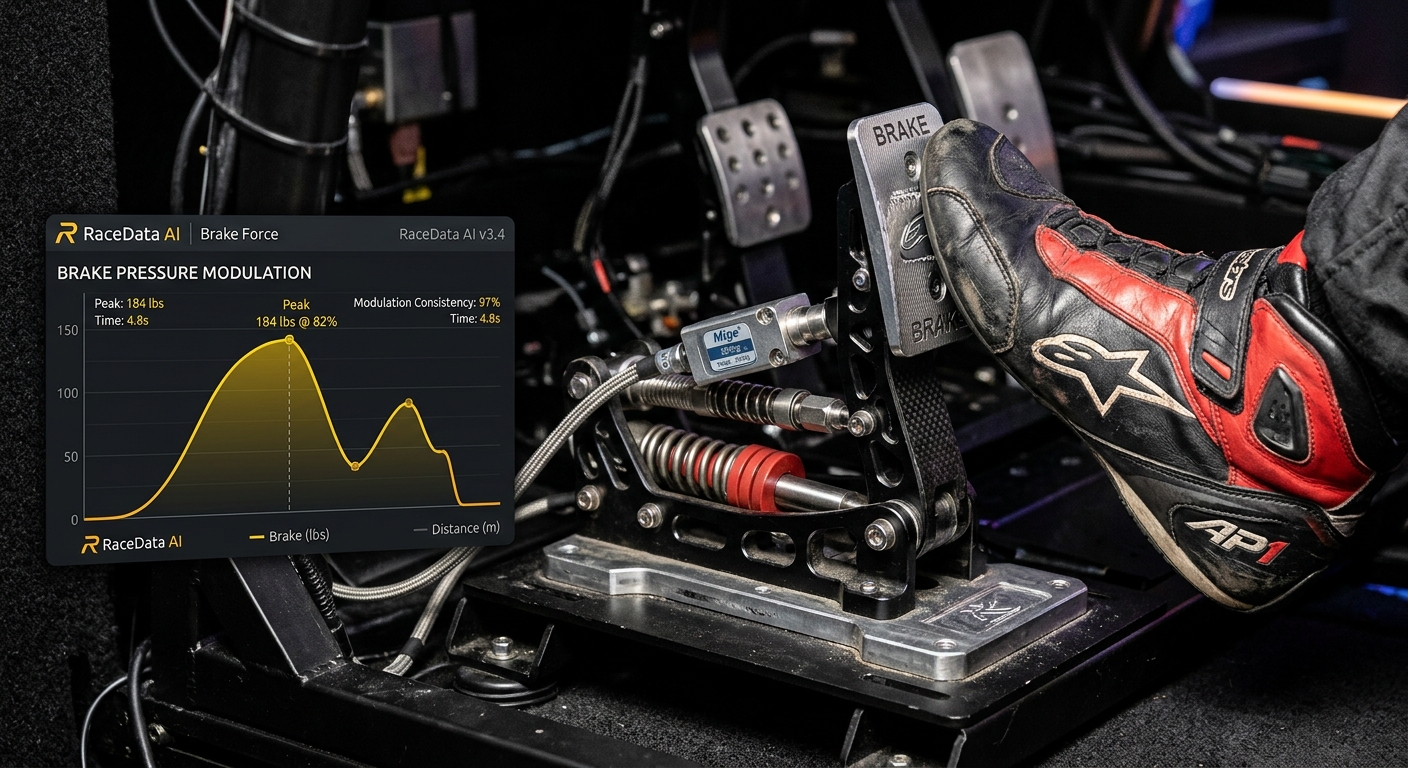
Upgrading to Load Cell or Hydraulic pedals is the most effective way to improve your sim racing consistency. Learn how pressure-based braking transforms your telemetry and laptimes.
The Science of Muscle Memory: Why Pressure Trumps Travel
Standard pedals rely on travel, measuring how far you move the pedal in terms of distance. However, human muscle memory is far more adept at repeating specific pressures than specific distances. This is why Load Cell pedals are the gold standard for racers looking to move beyond the beginner phase.
By measuring the force applied rather than the distance traveled, these pedals allow your brain to build a 'feel' for the exact pressure needed to reach the limit of grip without locking up. In telemetry, this translates to a much more stable brake application and the ability to hit the same deceleration targets lap after lap.
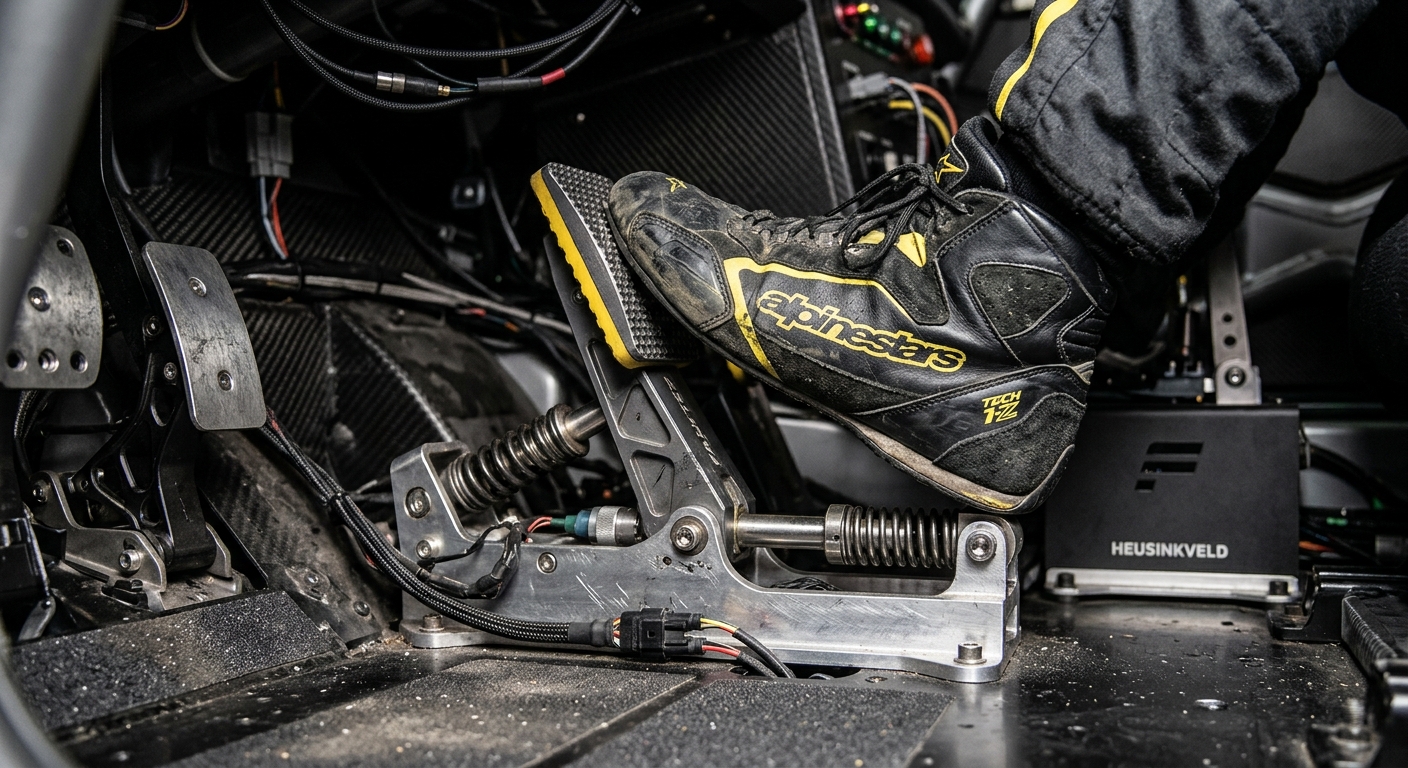
Load Cell vs. Hydraulic: Realism and Performance Gains
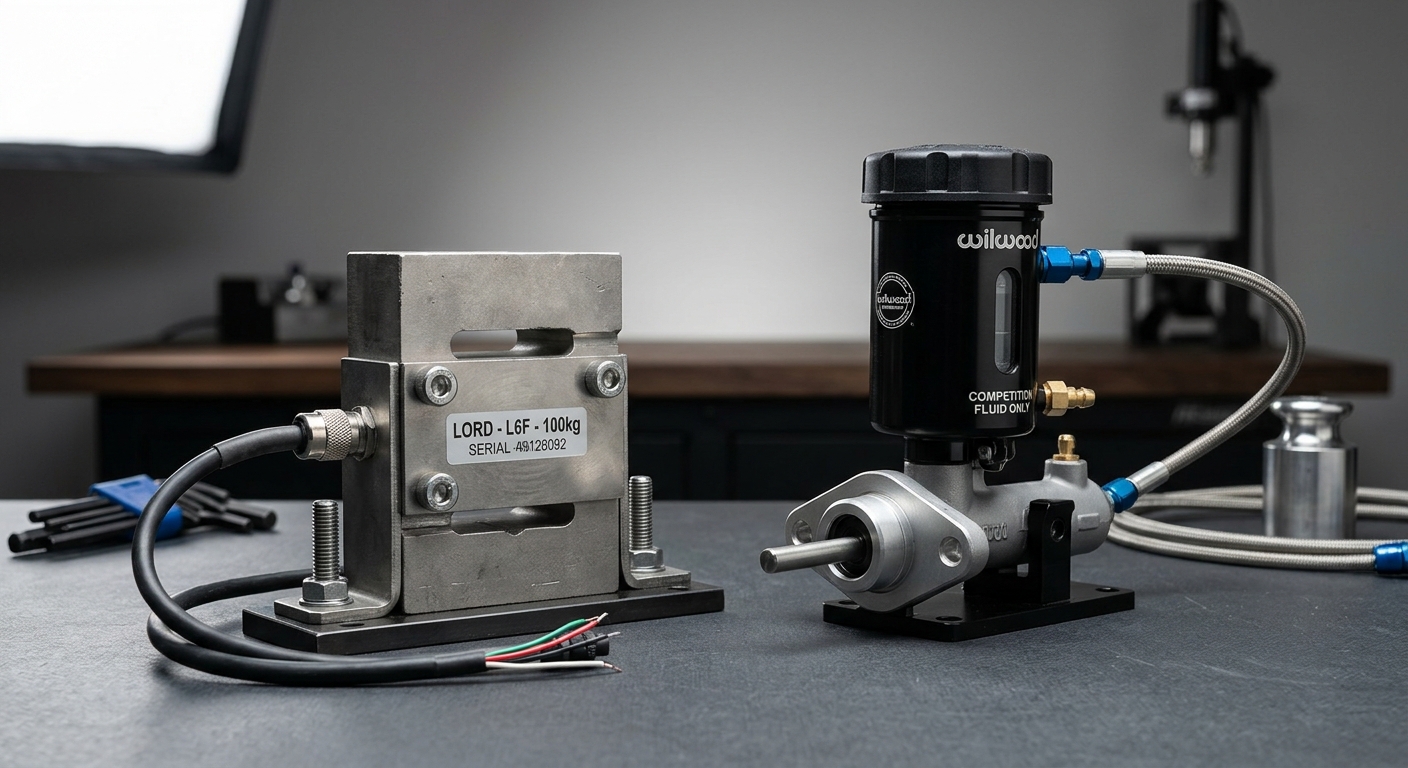
When choosing between Load Cell and Hydraulic pedals, you are deciding between two different mechanical philosophies. Load Cell pedals use an electronic strain gauge to measure force, offering a stiff, highly consistent feel that is relatively maintenance-free.
Hydraulic systems use fluid pressure to replicate the feel of a real race car's master cylinder. Hydraulics offer a natural damping effect that many professional drivers find essential for fine-tuning their trail braking technique. While more expensive, the ROI comes in the form of unparalleled realism and a pedal feel that provides subtle feedback during the critical bleed-off phase of braking.
Analyzing Your Brake Trace: Telemetry-Backed Improvement
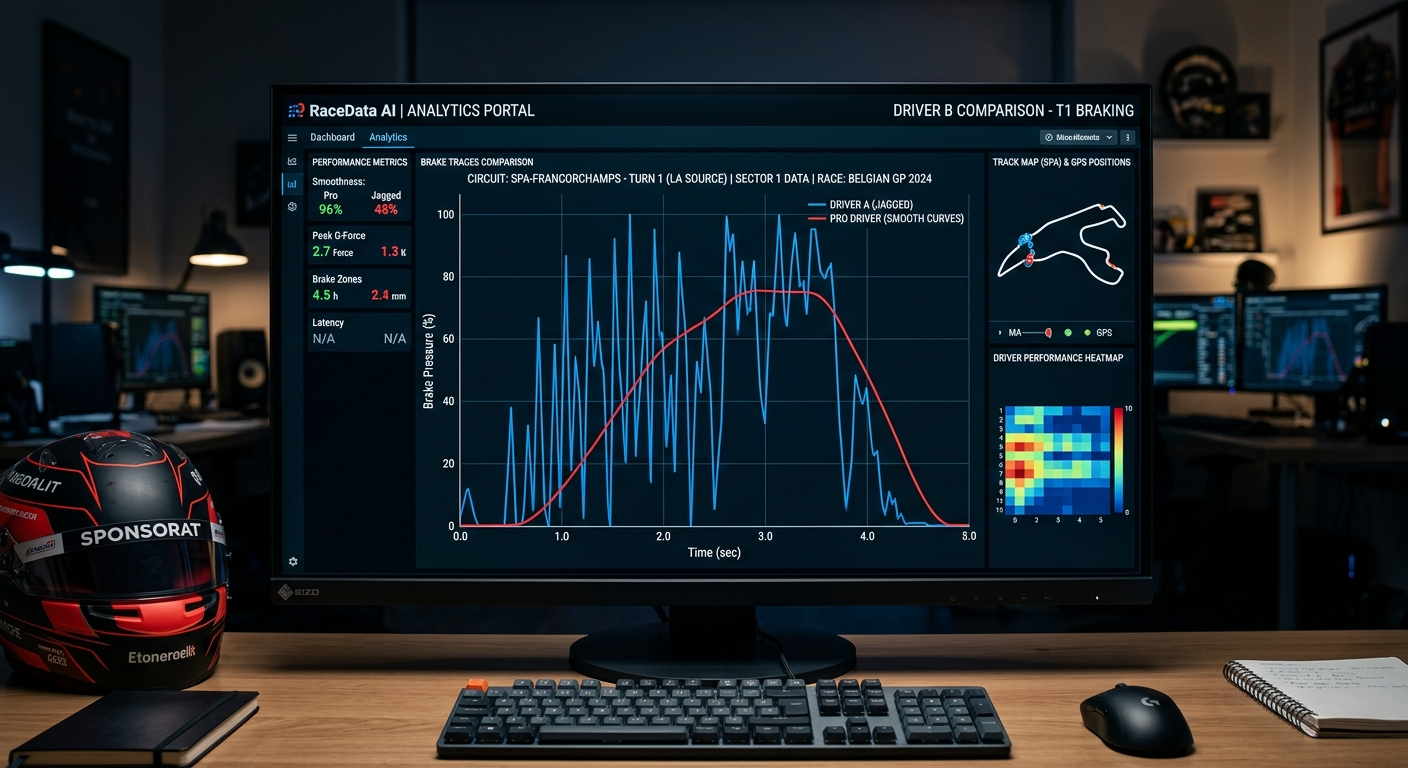
The impact of high-end pedals is most visible in your data. Inconsistent potentiometer pedals often result in 'stepping' or jagged brake traces where the driver struggles to maintain steady pressure. High-performance hardware allows for a linear, smooth release of the brake, which is the foundation of mastering trail braking.
By analyzing your brake trace in RaceData AI, you can see exactly how a pressure-based system smoothens your inputs. When your hardware provides the right resistance, your telemetry will show a clean 'shark fin' curve, indicating that you are successfully rotating the car into the corner without upsetting the platform balance.
FAQ
Why are load cell pedals better than potentiometer pedals?
Load cells measure the actual force applied rather than the physical distance the pedal moves, which is easier for the human brain to repeat consistently.
Is a hydraulic pedal set worth the extra cost over a load cell?
Hydraulic pedals offer superior damping and realism, which can help with the 'feel' of trail braking, though load cells provide similar consistency for less money.
How do better pedals improve my consistency?
They rely on muscle memory for pressure, which reduces the variation in your braking points and allows you to hit the same deceleration rate every lap.
Can I learn trail braking on budget pedals?
It is possible but much more difficult, as budget pedals lack the resistive force needed to feel where the tires are about to lock up.
Should I upgrade my pedals or my steering wheel first?
Pedals should almost always be upgraded first. They have a significantly higher impact on your lap times and consistency than a more powerful wheelbase.
Master Your Braking with RaceData AI
Stop guessing why you are missing apexes. Use RaceData AI to compare your current brake traces against professional telemetry and see if your hardware is causing inconsistent pressure stepping. Optimize your performance today.