Assetto Corsa Extended Physics: Realism Boost or Driver Distraction?
assetto-corsa-extended-physics-guide
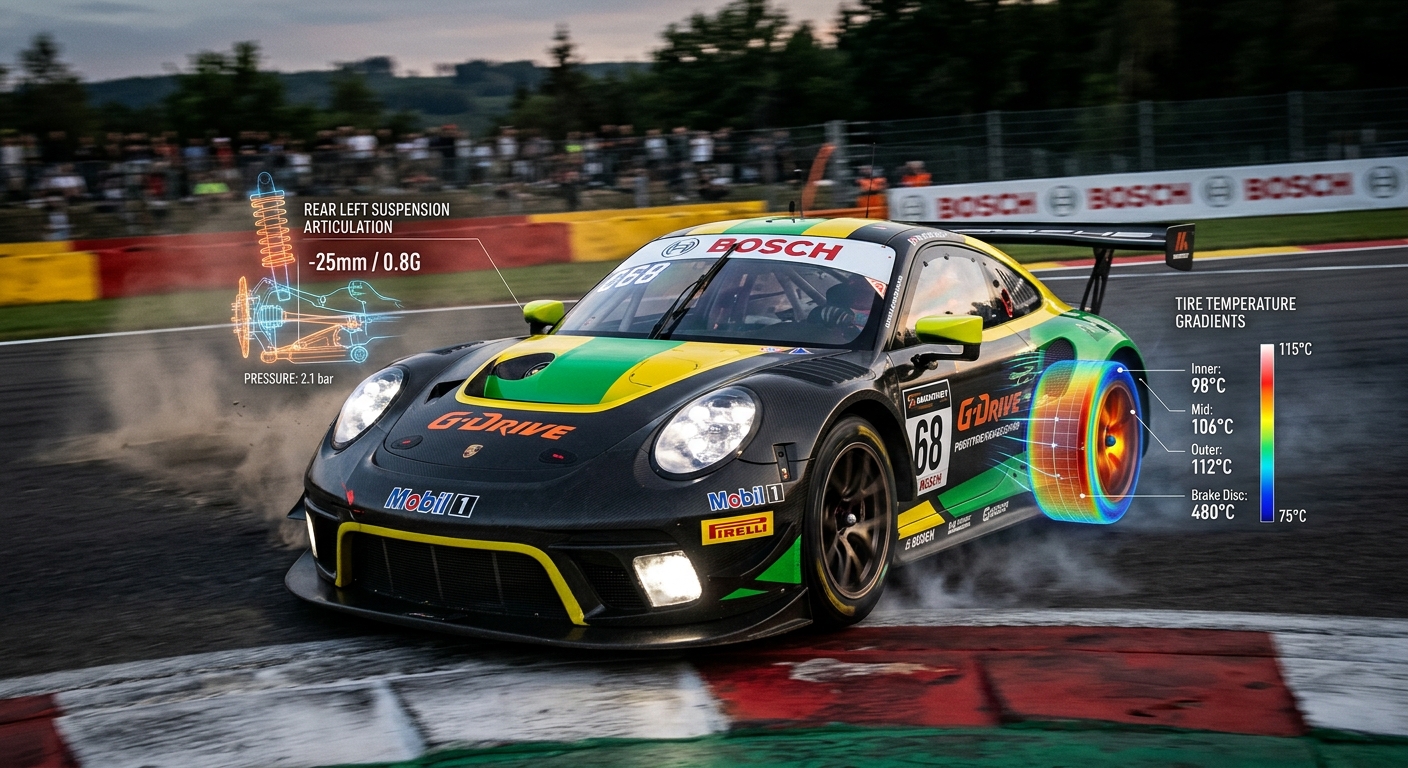
Discover how Assetto Corsa's Extended Physics impacts tire models, FFB, and telemetry data. Learn if this CSP feature helps or hinders your lap time consistency.
The Science of the Tire: How Extended Physics Changes Your Grip
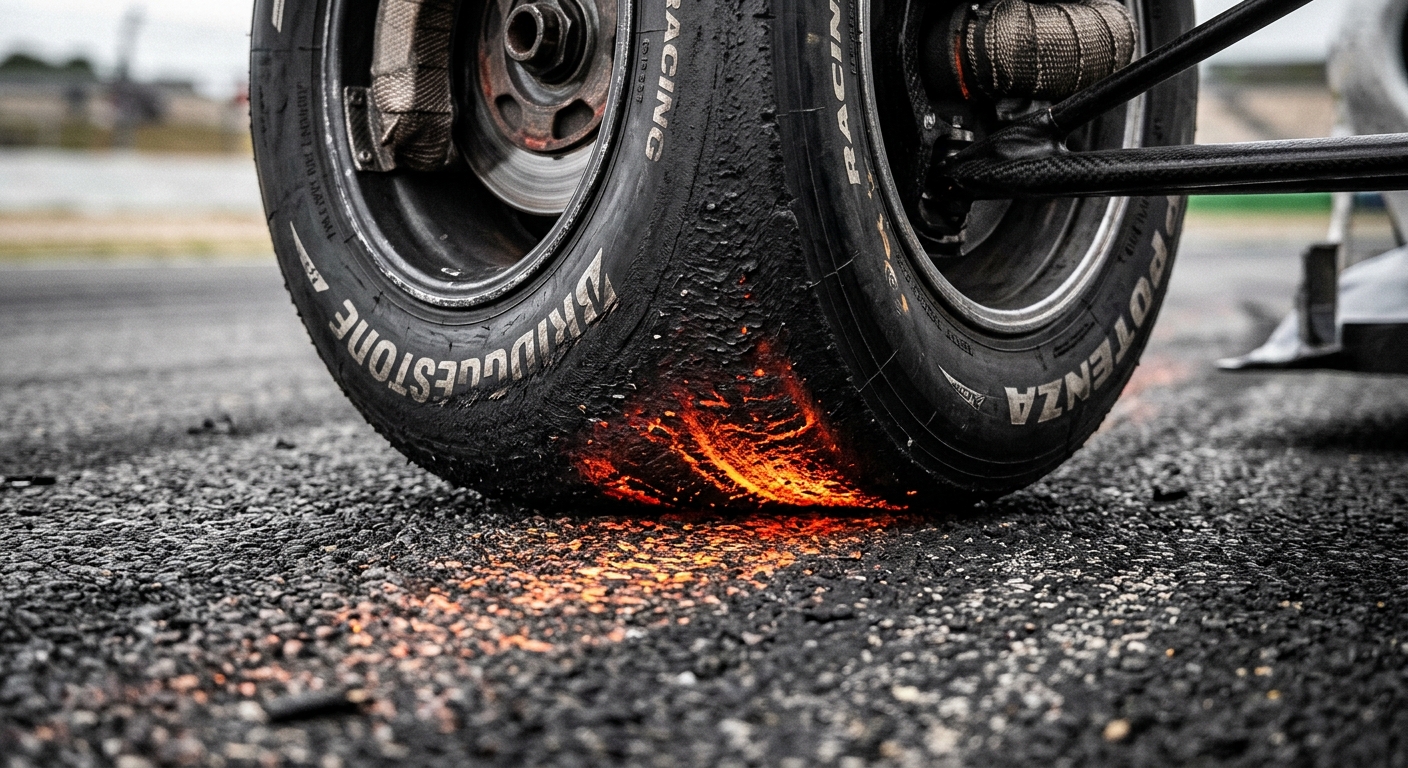
The primary shift when enabling Extended Physics is how Assetto Corsa handles the tire model. Vanilla Assetto Corsa uses a solid foundation, but CSP's extended framework introduces more sophisticated tire carcass flex, thermals, and pressure sensitivity. This changes the slip angle at which a car provides maximum grip. You will feel a more detailed transition through the Force Feedback (FFB) as the tire begins to scrub or overheat. For drivers used to the standard physics, this might initially feel like the car is more nervous. However, this added detail allows for better trail braking modulation, as the weight transfer affects the contact patch more dynamically than in the base game.
Telemetry Analysis: Reading Data from Extended Physics Mods
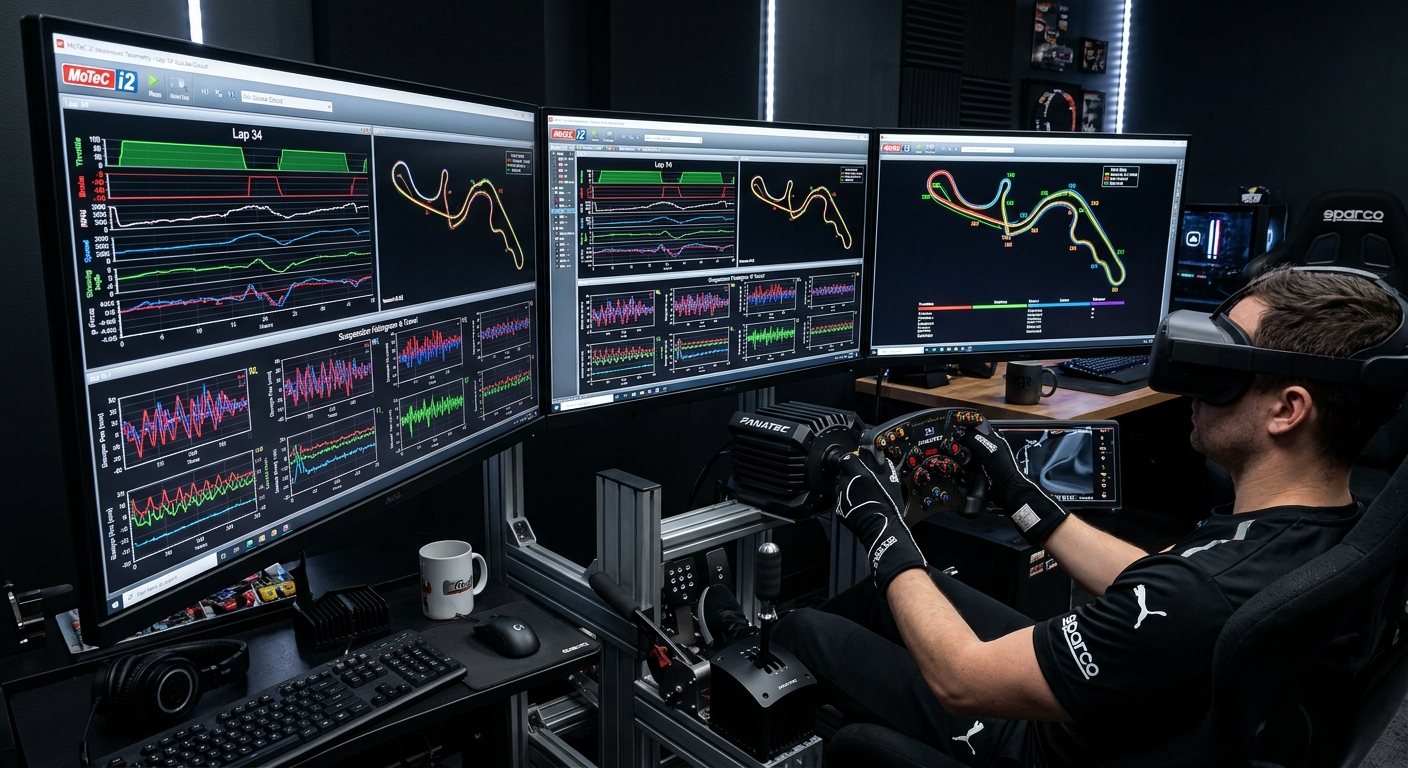
From a data perspective, Extended Physics provides a much richer stream of information, but it also demands more from your analysis tools. When viewing telemetry in RaceData, you will notice that suspension travel and tire loads show more 'noise'—which is actually high-frequency data representing track surface micro-details. Consistency can be harder to achieve initially because the car reacts more specifically to bumps and kerbs. Drivers focusing on telemetry must learn to distinguish between a handling issue caused by the extended tire model's sensitivity to pressure and a fundamental error in driving line. The result is a data set that more closely mirrors a real-world GT3 or Formula car.
Does Realism Equal Speed? Compatibility and Performance
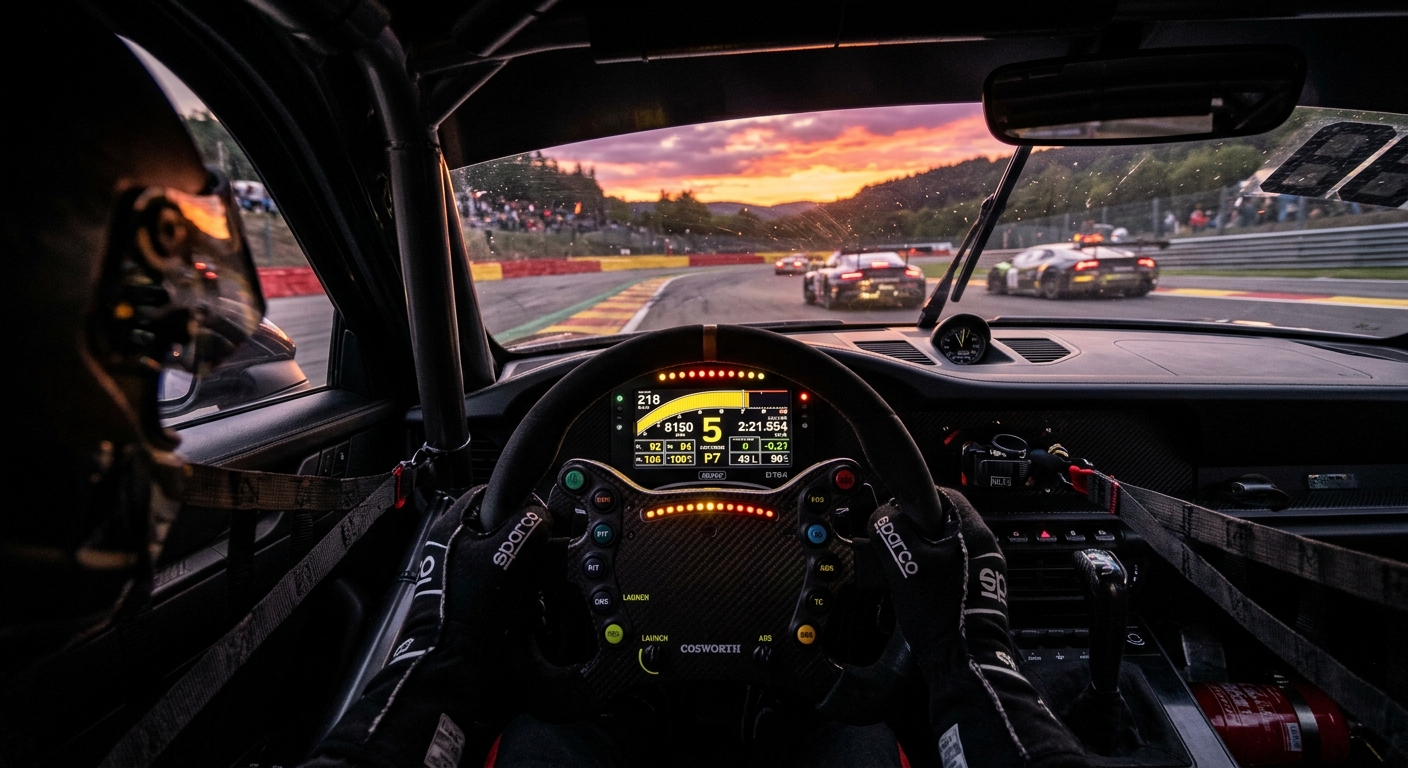
A common concern is whether Extended Physics makes you slower. In the short term, the increased complexity might lead to more frequent mistakes as you recalibrate your muscle memory to the new tire slip sensations. However, for league racers, the long-term benefit is a higher ceiling for performance. One major caveat is mod compatibility. While high-quality car mods are built to leverage these features, older or poorly made mods can 'break,' leading to broken suspension geometry or impossible grip values. It is essential to test your favorite cars individually. Ultimately, if your goal is competitive consistency, the higher fidelity allows for a more nuanced understanding of the car's limit.
FAQ
What is the main difference between vanilla and extended physics?
Vanilla physics uses the original 2014-era calculations, while Extended Physics adds modern CSP features like advanced tire thermals, more complex suspension geometry, and better aerodynamic modeling.
Does Extended Physics affect my Force Feedback?
Yes, it generally makes FFB feel more detailed by communicating more information about tire flex and surface micro-bumps through the steering rack.
Will I be slower with Extended Physics enabled?
Initially, you might be slower due to the steeper learning curve, but the increased detail helps you find the true limit of the car more accurately over time.
Does it work with every car mod?
No. While most modern mods support it, older mods not designed for CSP may experience physics glitches or unrealistic behavior when the toggle is on.
How do I know if Extended Physics is working?
You can verify this in Content Manager under the drive settings. When active, cars that support it will often display 'Extended Physics' in the electronics or tire menus in-session.
Master Your Consistency
Not sure if Extended Physics is helping or hurting your lap times? The best way to find out is through the data. Record a session with the toggle off, then one with it on, and compare your consistency and tire wear in RaceData AI to see which setting unlocks your true potential.